Kansas City Missouri

Kansas City Industrial Growth: Smarter Sites, Stronger Collaboration

MetroWire Media closed out its 2025 programming with a standout KC MWM Industrial Summit, hosted at Johnson County Community College. With rising construction costs, evolving tenant expectations, and major infrastructure needs, our expert panel explored what’s driving Kansas City’s industrial momentum—and how the region is positioning for what’s next.

Special thanks to our sponsors who made this event possible:

Platinum Sponsors: JE Dunn Construction, Miller Stauch Construction
Bronze Sponsors: Bartlett & West, ARCO, Seal-O-Matic, Armstrong
Brew Crew Sponsors: Capitol Federal, KC SmartPort, BHC, studioNorth Architecture

What Makes KC Competitive?

Chris Gutierrez of KC SmartPort opened the conversation: “Every company that comes here asks how we got Missouri and Kansas in the same room from the start. That collaboration is our edge.” He emphasized KC’s multimodal freight infrastructure, industrial developer base, and workforce reliability as top selling points.

Construction Cost Pressure and Preconstruction Strategy

Ryan Schroeder of Russell Construction pointed to a slowdown in private investment due to high interest rates, but stressed that early collaboration is a winning formula: “Clients want cost and schedule certainty. That means contractors must be involved from the design phase, not just at bid time.”

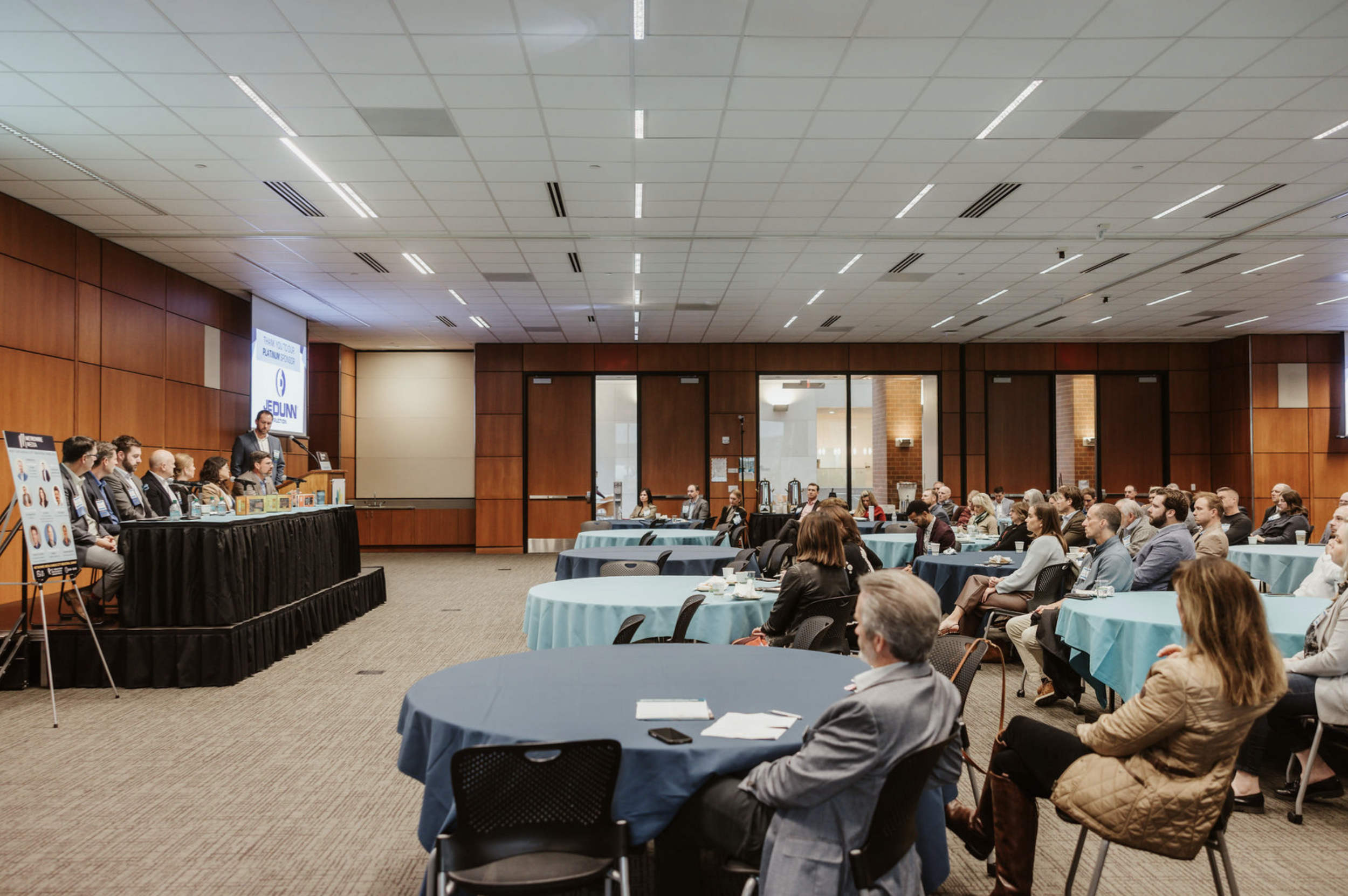
Above: Attendees at MetroWire Media’s 2025 Industrial Summit listen in as the panel discusses the current state of Kansas City’s industrial real estate market. Image | BGSTUDIOS PHOTOGRAPHY + FILM

Speculative vs. Build-to-Suit: Staying Disciplined

Brent Peterson of NAI Heartland provided perspective from the leasing and capital markets side: “KC has been disciplined about what we build, and that’s why we’re still absorbing. Most activity today is build-to-suit, but spec buildings remain vital—especially smaller footprints under 500,000 SF.”

Infrastructure Is Now a Front-End Issue

Krizia Diaz, leading JE Dunn’s industrial manufacturing sector, discussed how “pad-ready” doesn’t always mean infrastructure-ready: “We’re helping clients pivot mid-project to phase development or self-supply utilities like wastewater treatment or power generation. That shifts design, cost, and timeline significantly.”

Flexibility in Design: The New Standard

Kevin Polit of studioNorth Architecture explained how flexible shell buildings support long-term utility: “You’re not just designing for one tenant anymore. You’re building a platform that can support automation, manufacturing, cold storage, or ESG upgrades over decades.”

John Krudwig of Bartlett & West agreed, adding: “We’re designing spec with build-to-suit in mind—high-performing roof structures, flat floors, even modular under-slab systems for future use. It’s more rewarding, more strategic.”

Automation Expectations Are Real—and Rising

Karley Felz, an automation systems expert, shared how tenant demands are shifting: “Automation is no longer optional. With labor tight, tenants want high-speed connectivity, stronger slabs, and wider column spacing. We’re seeing higher employee satisfaction too—robots aren’t replacing people, they’re supporting them.”

Data Centers: Boon or Bottleneck?

The discussion turned to KC’s growing data center market. With Meta and Google investing billions, power availability is now a gating factor. “These aren’t one-and-done builds,” said Gutierrez. “They upgrade every two years. But they also generate secondary demand—construction, manufacturing, automation. It’s an ecosystem.”

Panelists noted the need for better long-term planning around power generation, with Kevin Polit citing innovations like small modular nuclear reactors as viable mid-term solutions. Brent Peterson explained that the “$100 billion” data center numbers are cumulative over decades, reflecting upgrades, infrastructure, and equipment, not just construction.

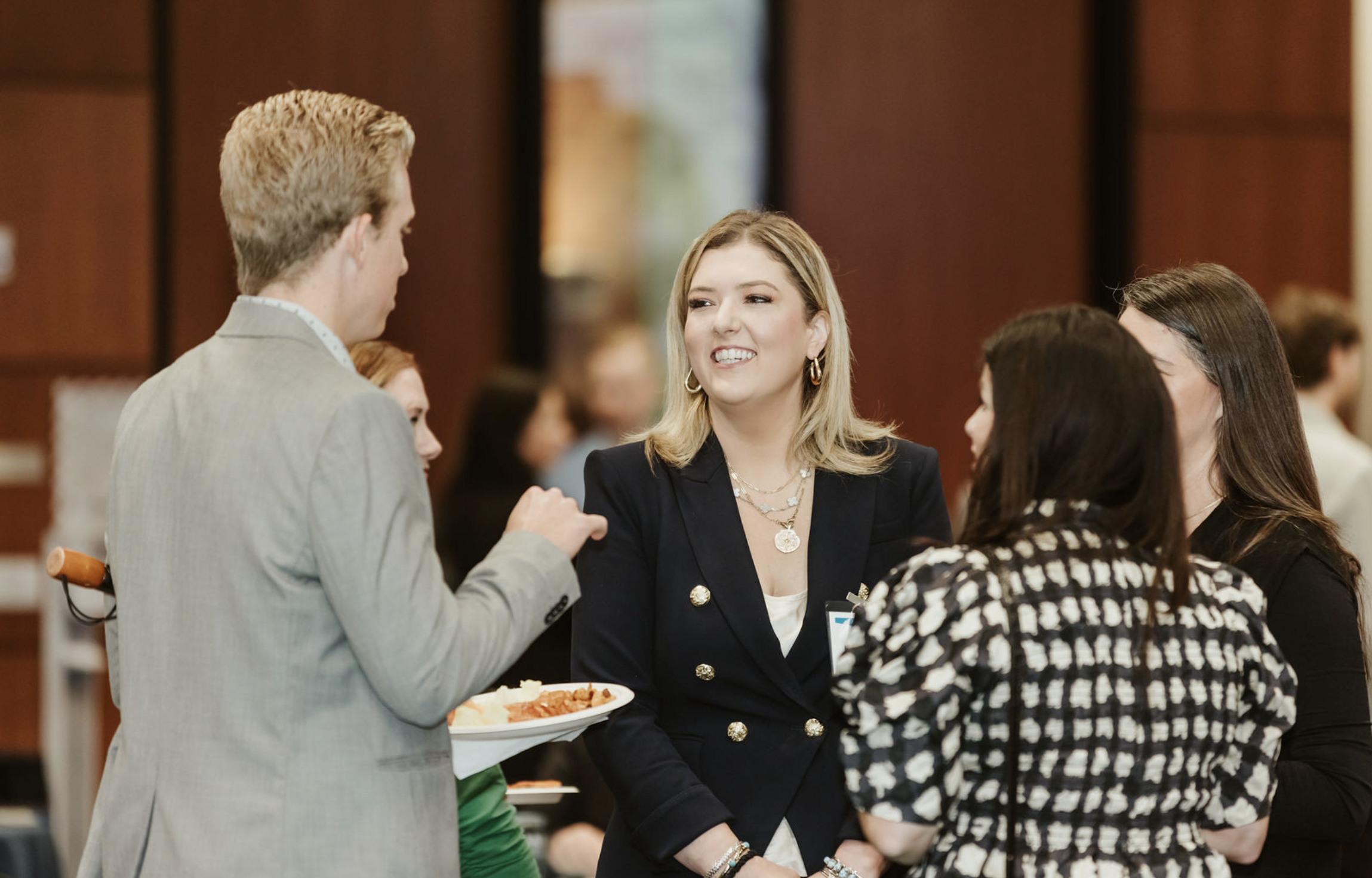
Above: Guests mingle at the MWM 2025 Industrial Summit at Johnson County Community College before the panel discussion.

Looking Ahead: Where's the Growth?

The panel identified I-35 south of Olathe, Liberty/Northland, and Lee’s Summit as key corridors for future development. “We need more product,” said Gutierrez. “When interest rates drop, we’ll need those buildings ready to go.”

John Krudwig confirmed that multiple spec projects are in design across the region. Peterson added: “Post-2008, speculative development changed our market. If you build it—smartly—they will come.”

The Workforce Pipeline Starts Now

Several panelists praised Kansas City’s workforce development infrastructure, with Ryan Schroeder sharing a personal anecdote about a Rockhurst student exploring trade school: “This generation sees the trades differently—and we should be encouraging that.”

In Closing: Collaboration Remains KC’s Superpower

Angela Dicioccio, MetroWire’s Event Director, wrapped the event: “What makes Kansas City work is the collaboration between developers, designers, builders, and economic partners. We’re already planning for 2026—and with the World Cup coming, Kansas City is about to take the global stage.”


Header image: Panelists discuss what's driving the Industrial real estate market in the Kansas City region at MetroWire Media's 2025 Industrial Summit at the Regnier Center- Johnson County Community College. Image | BGSTUDIOS PHOTOGRAPHY + FILM

Flight to Quality, Fractional Spaces & the World Cup Effect: Key Takeaways from MetroWire’s Retail-Office Summit

Kansas City, Sept. 23, 2025 — In a packed room on a rainy fall morning, MetroWire’s Retail-Office Summit convened top voices from Kansas City’s commercial real estate community to tackle a central question: What will define successful office and mixed-use projects in the next 3–5 years?

The consensus: tenants are demanding more—better design, more flexibility, curated amenities—and developers must rethink fundamentals to deliver in a market reshaped by COVID, rising construction costs and global events like the 2026 World Cup.

From Flex to Flight: The New Office Tenant Playbook

Tom Ward (Kessinger Hunter) kicked off with a market reality check: while early pandemic shifts saw tenants push for shorter, more flexible leases, today’s rising construction costs have reversed that trend. Tenants are now locking in longer terms, especially in Class A office spaces that offer modern amenities, walkability and energy.

“Flight to quality” remains dominant. Tim Ockinga (JE Dunn) added that landlords must now build spaces better than home offices to win talent back. That means open collaboration zones, cafes, on-site fitness with active programming, and ample “third places” within the office.

Andrew Brain (Brain Group) observed growing interest in fractional-use spaces — shared training rooms, conference suites and drop-in work zones that tenants can access without paying for full-time occupancy. His Park 39 project is now 98% leased, up from 50% pre-COVID, driven by flexible usage models.

Repurposing & Suburban Shifts

Ward noted that while C-class buildings continue to struggle, B-class space remains competitive in suburban markets. Urban locations are seeing selective conversions to multifamily, especially where tax credits are available.

On the construction side, Ockinga cited JE Dunn’s pivot to prefab manufacturing as a way to combat labor shortages and inflation. “Labor is the top constraint,” he said. “We’re innovating by building offsite in controlled environments—it’s safer, more efficient, and helps balance limited skilled workforce.”

Programming, Retail Synergy & Amenity Wars

Audrey Navarro (Clemens Real Estate) highlighted the value of retail as placemaking. Coffee shops, plazas and pop-up spaces help lease-up velocity in new mixed-use developments, especially in emerging submarkets.

But she stressed that it’s not just design; it’s about programming. Landlords like Corporate Woods are hiring staff to activate common spaces with workshops and community events, borrowing tactics from multifamily to boost tenant retention.

Above: Attendees of the MWM KC RETAIL + OFFICE SUMMIT networking before the panel discussion.

Capital Stacks & Creative Financing

Brain was blunt: “Office is a four-letter word to lenders right now.” His firm is front-loading equity—75% or more—on new deals while seeking nontraditional financing paths. Navarro shared a compelling recent deal on the Plaza where a seller, driven by legacy rather than returns, offered 2% seller-financing to achieve his desired valuation.

Where Economic Development Meets Real Estate

Samantha Jefferson (Kansas City Area Development Council) emphasized that company relocation decisions are increasingly tied to culture fit. Suburban settings appeal to distributed workforces; urban neighborhoods win with lifestyle and walkability. The key, she said, is matching space to company DNA.

She also noted the KCADC’s growing role in positioning Kansas City to national and international firms, especially ahead of the 2026 FIFA World Cup, which she called a “worldwide commercial for our region.”

Looking Ahead: 2026 and Beyond

Panelists were asked to forecast the next 3–5 years in office and retail:

  • Ward: Flight to quality will continue. As interest rates ease, Class A leasing and development will pick up.

  • Brain: Fractional space and flexibility will be key. Landlords must add shared-use environments to compete.

  • Navarro: Kansas City must avoid a one-size-fits-all approach. Success will come from diversity of inventory.

  • Ockinga: Corporate buildouts are on the rise again. Large tenants are ready to reinvest in headquarters space.

  • Jefferson: The key to long-term growth? Talent. Kansas City must continue producing a skilled, accessible workforce.

The final word came on market activity expectations. Most panelists predict moderate gains in leasing and transactions in 2026, spurred in part by the World Cup and improving capital conditions.

Next Up at MetroWire: The Industrial Summit, Oct. 30, will explore trends shaping KC’s booming logistics and manufacturing landscape.


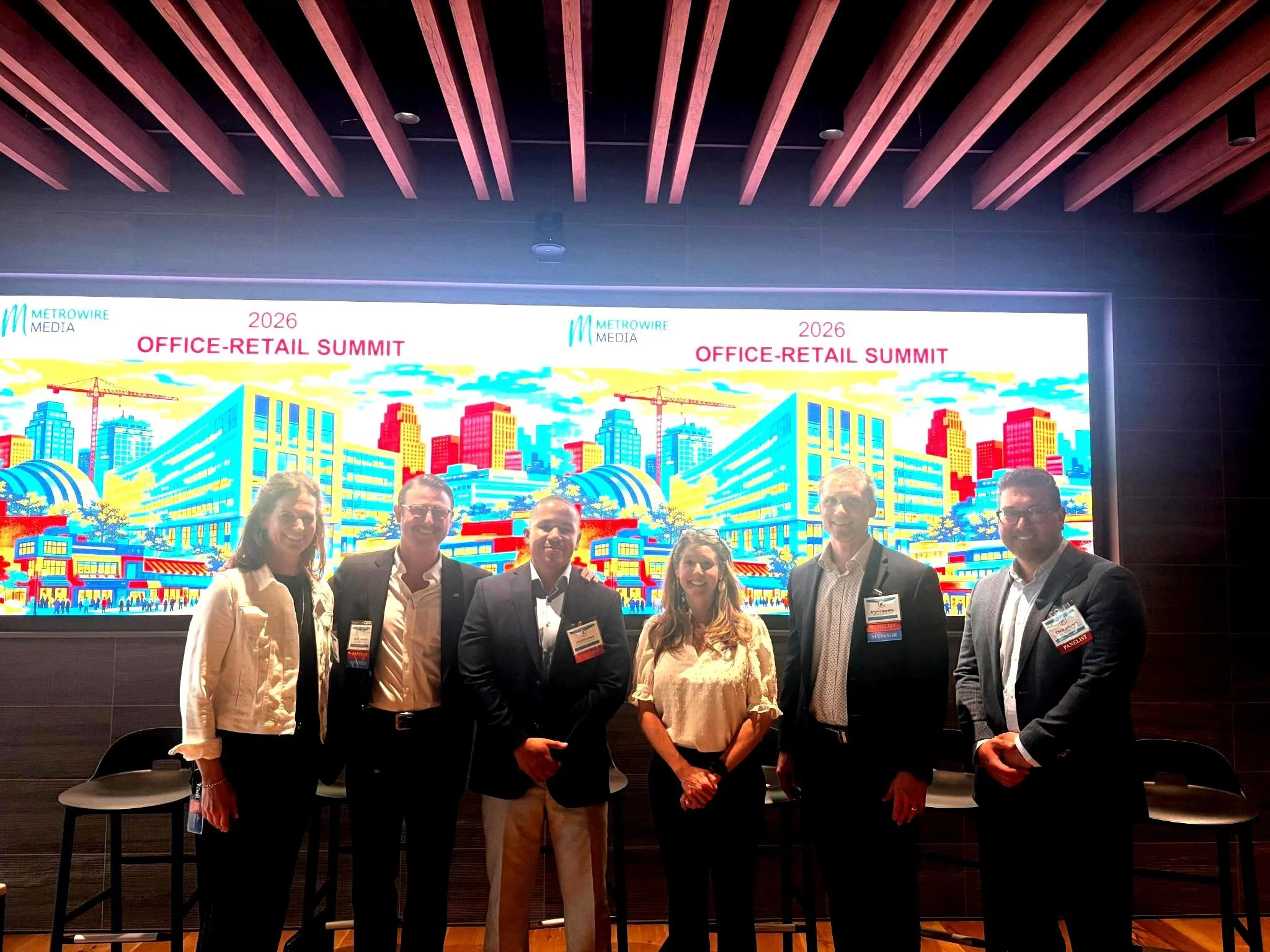
Header image: The 2025 MWM Retail + Office Summit panelists from left to right–Tom Ward, Beck Johnson (Moderator), Samantha Jefferson, Tim Ockinga, Audrey Navarro, Andrew Brain, and Russ Pearson with BoxDevCo Real Estate at the podium.

Swope Health breaks ground on new 'Village' project

Swope Health has broken ground on Swope Health Village, a 12-acre, multi-phase campus designed to knit affordable housing, behavioral health, primary care, and community amenities into one destination along Swope Parkway in southeast Kansas City. Early site work followed demolition that started in January 2024; a ceremonial groundbreaking was held Aug. 7, 2025.

Planned in phases, the $126 million initiative will introduce senior housing, residential behavioral health care, a health clinic, and supportive services, with outdoor and community spaces that encourage wellness. Public support includes $5 million from the City of Kansas City, Mo., and $7.5 million in state American Rescue Plan Act dollars, alongside a capital campaign to complete funding.

Design and construction partners include Perkins Eastman, HFG Architecture, and Moody Nolan, with McCownGordon serving as general contractor. Perkins Eastman’s plan envisions senior apartments and behavioral-health rooms anchored by health and community buildings; subsequent phases contemplate additional services and adaptive reuse elements. Swope Health has indicated it will add a development partner for later phases.

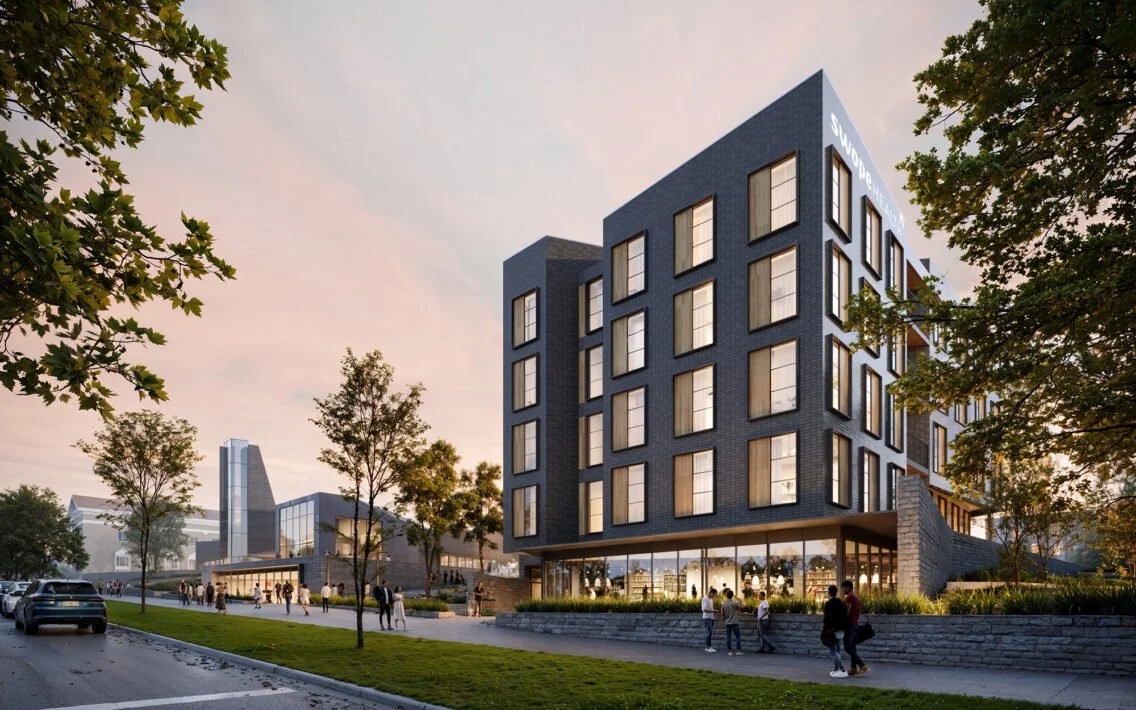
Above: A conceptual street view rendering of Swope Health Village in Kansas City, Mo. Image | Perkins Eastman

The Village advances Swope Health’s 55-plus-year mission to expand access for patients regardless of ability to pay. The organization opened in 1969 as Model Cities Health Corporation—part of President Lyndon Johnson’s Model Cities program—in the basement of Metropolitan Missionary Baptist Church. From serving about 2,000 patients with a $100,000 budget in its first year, Swope Health now provides integrated primary care, dental, and behavioral health to more than 50,000 patients annually across western Missouri and eastern Kansas as a federally qualified health center.

Local leaders describe the Village as a health-forward neighborhood model intended to reduce barriers to care on the city’s East Side. Early concepts have called for affordable senior apartments, residential behavioral-health units, expanded substance-use recovery services, community gardens, and space that could house civic and retail uses—bringing everyday services closer to residents.

As construction begins, Swope Health and its partners say the project will generate construction employment and, upon opening, new clinical and support roles. The campus is also planned to prioritize local hiring and participation from minority-owned firms, aligning the physical build-out with the organization’s long-standing equity mission.

With planning led by a national design team and backed by city and state support, Swope Health Village marks a significant reinvestment in a historic corridor—and a tangible step toward affordable, accessible health care and housing for Kansas Citians from all walks of life.


Header image: A conceptual rendering of the mixed-use campus of Swope Health Village in Kansas City, Mo. Image | Perkins Eastman

Taking transportation priorities skyward in Wyandotte County

Taking transportation priorities skyward in Wyandotte County

Aerial lift view from State Line Road and West 9th Street (for illustrative purposes only). Rendering credit: Skidmore, Owings & Merrill LLP.