Audrey Navarro

MetroWire Media’s Office-Retail Summit signals a market reset, not a standstill

MetroWire Media’s 2026 Office-Retail Summit brought together Kansas City commercial real estate leaders for a candid discussion on a market that remains active, but far more complex than in recent years.

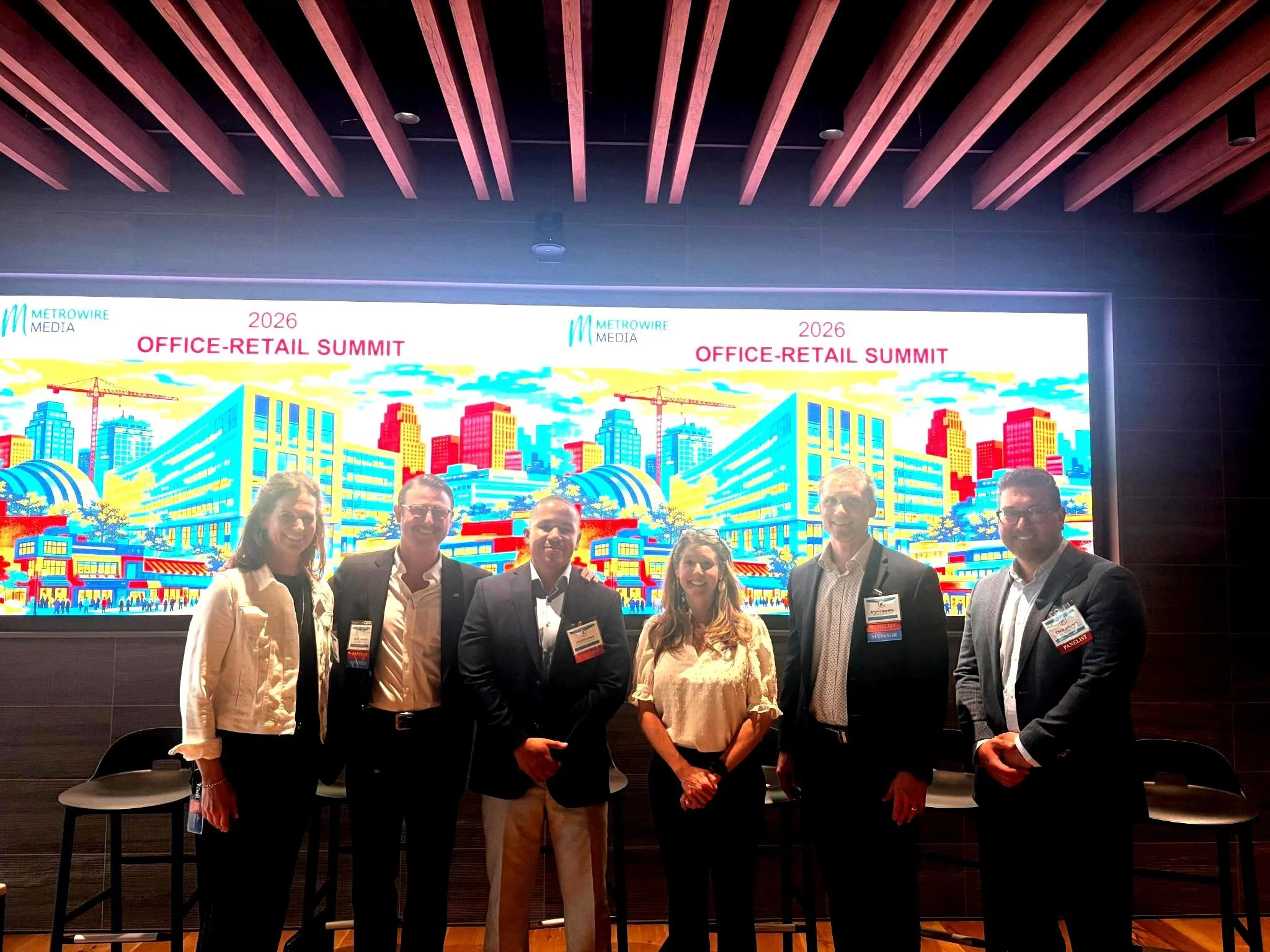
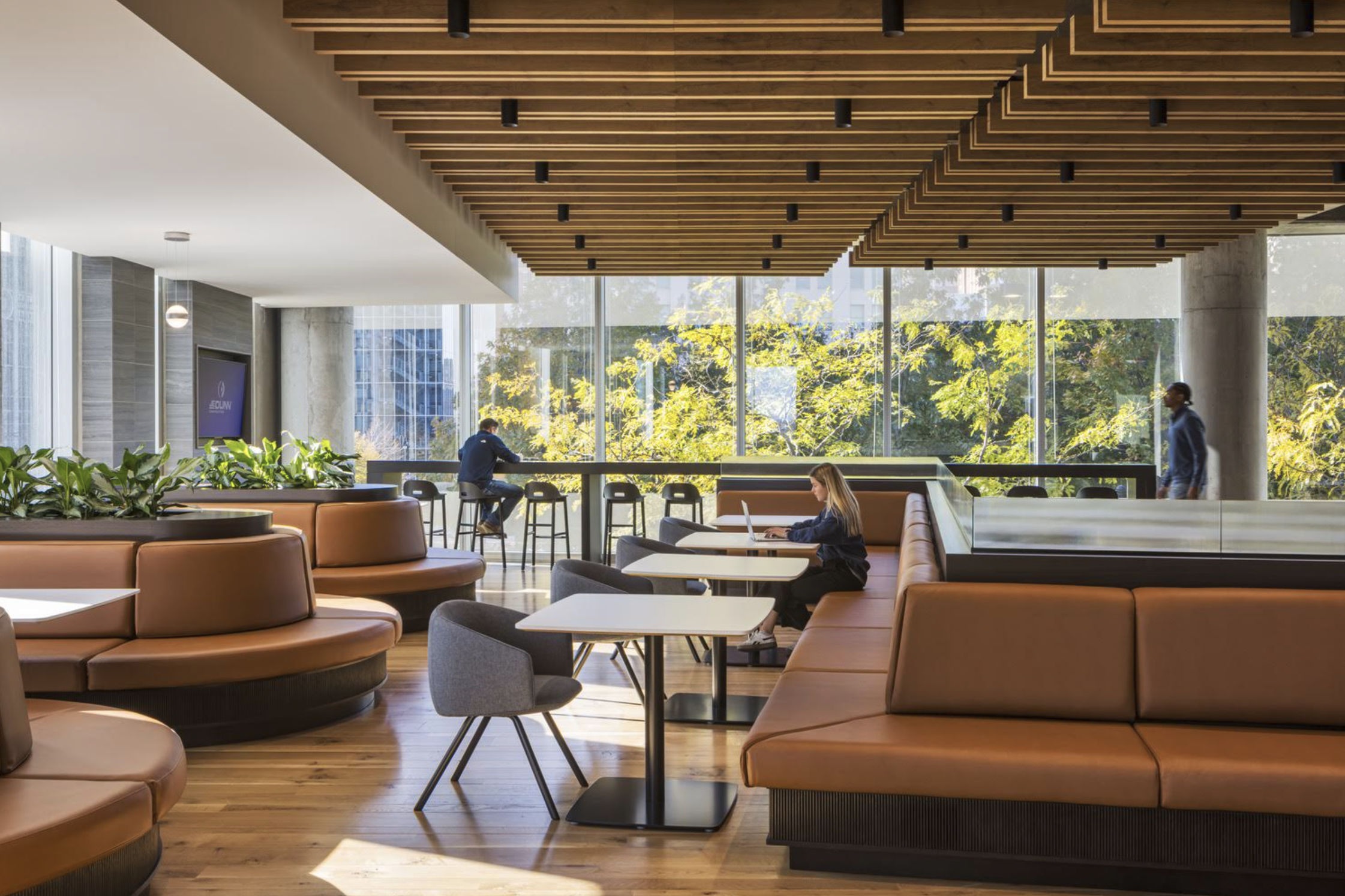
Hosted at JE Dunn Construction and supported by Walnut Risk Management and BHC, the event was moderated by Marcia Youker. Panelists included Charlie Lowe, Chris Jimenez, Beck Johnson, Bryn Charsley, and Audrey Navarro.

The panel had consensus that deals are still happening, but the path to closing has changed dramatically.

“It’s not harder necessarily, but it’s certainly less predictable,” Jimenez said, pointing to the compounding effects of construction costs, insurance premiums, and permitting delays. Navarro echoed that sentiment, saying, “Deals are still getting done … but the pace is a lot slower and more tedious than it’s ever been.”

Rising costs were repeatedly cited as the biggest challenge. “Construction costs are killing a lot of deals right now,” Lowe said, noting that many projects fail once real bids are received. Johnson added, “It’s certainly killing deals … the cost of insurance,” highlighting another growing pressure point for owners and developers.

Charsley reiterated that today’s capital markets have fundamentally changed project feasibility. “There are deals today that would’ve worked in 2021 that just don’t work anymore,” he said, citing lower leverage, more required equity, and thinner margins.

In the office sector, panelists said demand has shifted rather than disappeared. “People are looking for quality office space,” Johnson said, emphasizing continued interest in top-tier environments.

Navarro said smaller tenants are creating new momentum in the market, while others noted distressed pricing has opened selective acquisition opportunities. Jimenez offered a note of caution for investors considering conversions or heavy repositioning. “Architecture can’t fix a bad asset — it has to have good bones,” he said.

Mixed-use projects also remain attractive, though panelists said execution is more important than ever. “Food and beverage is critical,” Navarro said, stressing the importance of activity-driving tenants and consistent programming. Lowe added, “If you want restaurants, you need to design for them from day one — grease traps, ventilation, everything.”

Charsley warned that mixed-use still faces financing challenges because of fragmented capital sources and a narrower buyer pool.

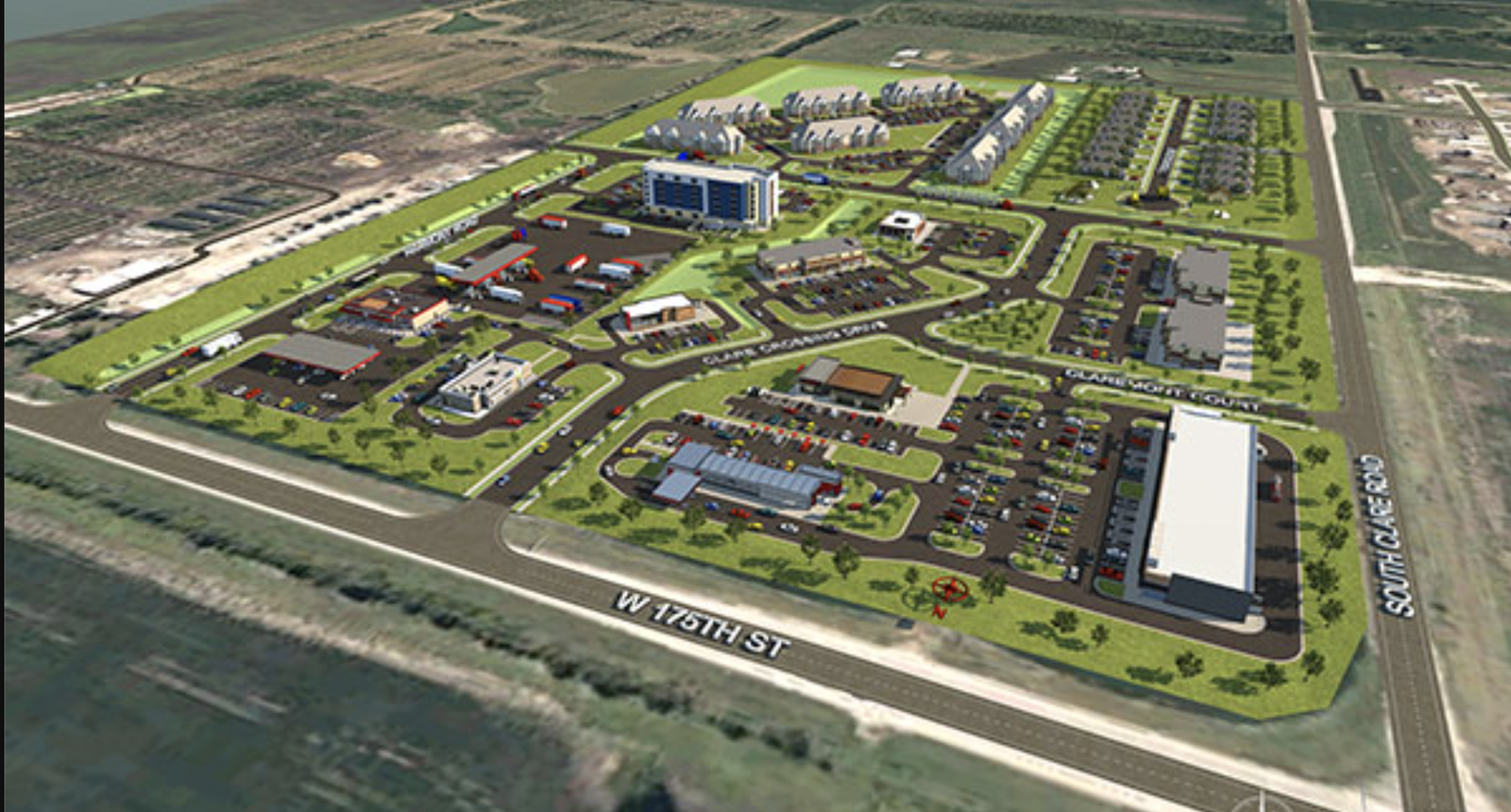
Another major takeaway was the growing strength of suburban markets. “For the first time … we’re seeing more tenants choose suburbs over the city,” Navarro said, citing safety concerns and operational friction. Lowe added that suburban municipalities often approve projects in weeks, while timelines in Kansas City can remain uncertain.

When asked where they would invest today, panelists pointed to flexible, right-sized opportunities:

  • Charsley: “Townhome-style multifamily … especially in good school districts.”

  • Navarro: “Small, easily divisible office — buy, not build.”

  • Johnson: “Industrial for returns … experiential retail for passion.”

  • Lowe: Targeted Midtown mixed-use opportunities.

  • Jimenez: Walkable, mixed-use infill concepts.

The upcoming FIFA World Cup 2026 generated optimism, but panelists viewed it primarily as a short-term catalyst.

“There’s a ton of interest,” Lowe said, particularly around retail opportunities near the streetcar line.

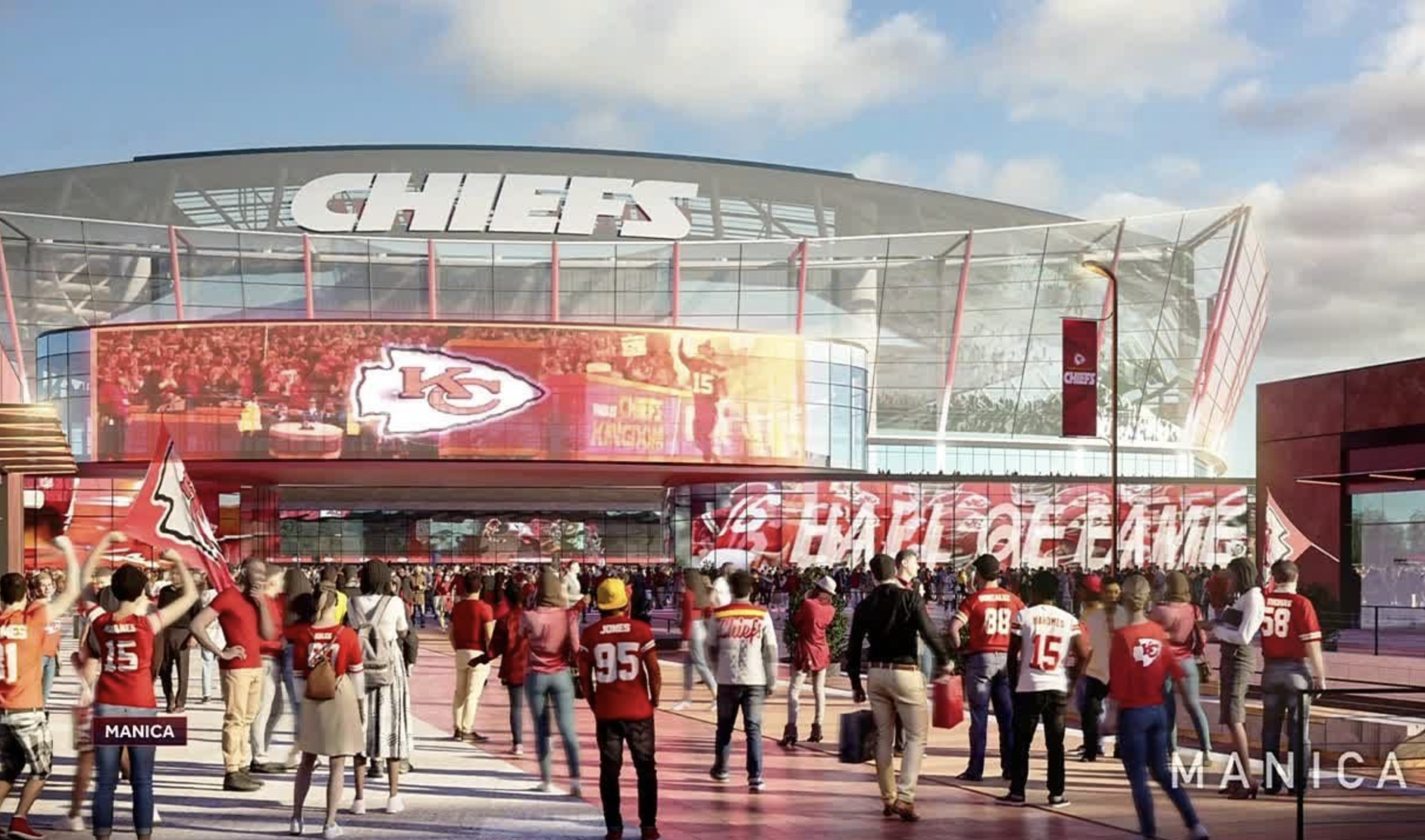
Still, many said the long-term opportunity could center on a downtown Kansas City Royals stadium.

“That would be the easy button,” Jimenez said, drawing broad agreement from the panel.

The message from the summit was clear: Kansas City commercial real estate is not stalled. It is recalibrating, and success will belong to those who can adapt to a market where costs are higher, timelines are longer, and underwriting is more disciplined than ever.


Header image: MetroWire Media's Office-Retail Summit contributors; (L to R) Moderator, Marcia Youker, and panelists; Beck Johnson, Charlie Lowe, Audtrey Navarro, Bryn Charsley, and Chris Jimenez. Image / MetroWire Media
Flight to Quality, Fractional Spaces & the World Cup Effect: Key Takeaways from MetroWire’s Retail-Office Summit

Kansas City, Sept. 23, 2025 — In a packed room on a rainy fall morning, MetroWire’s Retail-Office Summit convened top voices from Kansas City’s commercial real estate community to tackle a central question: What will define successful office and mixed-use projects in the next 3–5 years?

The consensus: tenants are demanding more—better design, more flexibility, curated amenities—and developers must rethink fundamentals to deliver in a market reshaped by COVID, rising construction costs and global events like the 2026 World Cup.

From Flex to Flight: The New Office Tenant Playbook

Tom Ward (Kessinger Hunter) kicked off with a market reality check: while early pandemic shifts saw tenants push for shorter, more flexible leases, today’s rising construction costs have reversed that trend. Tenants are now locking in longer terms, especially in Class A office spaces that offer modern amenities, walkability and energy.

“Flight to quality” remains dominant. Tim Ockinga (JE Dunn) added that landlords must now build spaces better than home offices to win talent back. That means open collaboration zones, cafes, on-site fitness with active programming, and ample “third places” within the office.

Andrew Brain (Brain Group) observed growing interest in fractional-use spaces — shared training rooms, conference suites and drop-in work zones that tenants can access without paying for full-time occupancy. His Park 39 project is now 98% leased, up from 50% pre-COVID, driven by flexible usage models.

Repurposing & Suburban Shifts

Ward noted that while C-class buildings continue to struggle, B-class space remains competitive in suburban markets. Urban locations are seeing selective conversions to multifamily, especially where tax credits are available.

On the construction side, Ockinga cited JE Dunn’s pivot to prefab manufacturing as a way to combat labor shortages and inflation. “Labor is the top constraint,” he said. “We’re innovating by building offsite in controlled environments—it’s safer, more efficient, and helps balance limited skilled workforce.”

Programming, Retail Synergy & Amenity Wars

Audrey Navarro (Clemens Real Estate) highlighted the value of retail as placemaking. Coffee shops, plazas and pop-up spaces help lease-up velocity in new mixed-use developments, especially in emerging submarkets.

But she stressed that it’s not just design; it’s about programming. Landlords like Corporate Woods are hiring staff to activate common spaces with workshops and community events, borrowing tactics from multifamily to boost tenant retention.

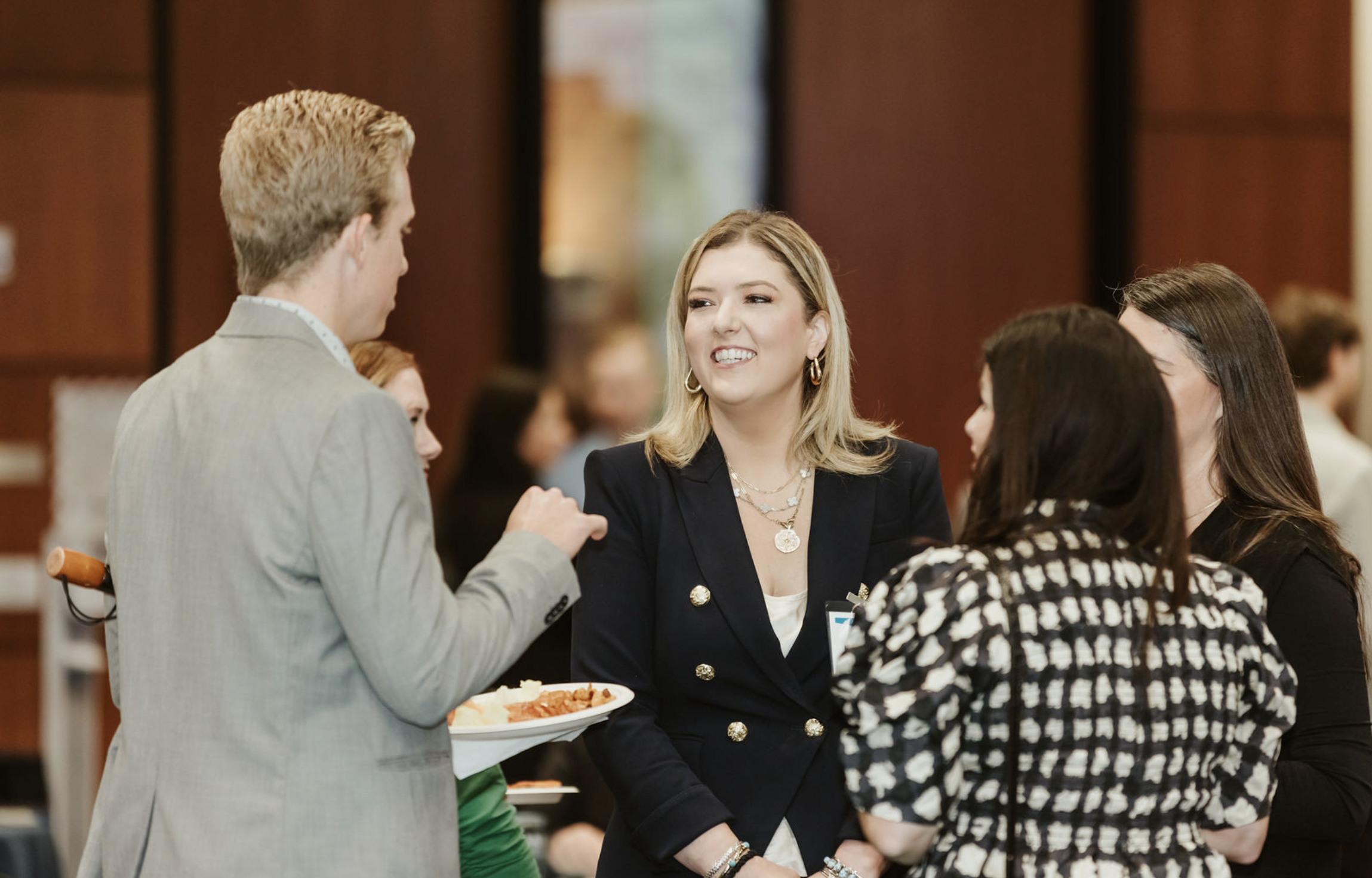
Above: Attendees of the MWM KC RETAIL + OFFICE SUMMIT networking before the panel discussion.

Capital Stacks & Creative Financing

Brain was blunt: “Office is a four-letter word to lenders right now.” His firm is front-loading equity—75% or more—on new deals while seeking nontraditional financing paths. Navarro shared a compelling recent deal on the Plaza where a seller, driven by legacy rather than returns, offered 2% seller-financing to achieve his desired valuation.

Where Economic Development Meets Real Estate

Samantha Jefferson (Kansas City Area Development Council) emphasized that company relocation decisions are increasingly tied to culture fit. Suburban settings appeal to distributed workforces; urban neighborhoods win with lifestyle and walkability. The key, she said, is matching space to company DNA.

She also noted the KCADC’s growing role in positioning Kansas City to national and international firms, especially ahead of the 2026 FIFA World Cup, which she called a “worldwide commercial for our region.”

Looking Ahead: 2026 and Beyond

Panelists were asked to forecast the next 3–5 years in office and retail:

  • Ward: Flight to quality will continue. As interest rates ease, Class A leasing and development will pick up.

  • Brain: Fractional space and flexibility will be key. Landlords must add shared-use environments to compete.

  • Navarro: Kansas City must avoid a one-size-fits-all approach. Success will come from diversity of inventory.

  • Ockinga: Corporate buildouts are on the rise again. Large tenants are ready to reinvest in headquarters space.

  • Jefferson: The key to long-term growth? Talent. Kansas City must continue producing a skilled, accessible workforce.

The final word came on market activity expectations. Most panelists predict moderate gains in leasing and transactions in 2026, spurred in part by the World Cup and improving capital conditions.

Next Up at MetroWire: The Industrial Summit, Oct. 30, will explore trends shaping KC’s booming logistics and manufacturing landscape.


Header image: The 2025 MWM Retail + Office Summit panelists from left to right–Tom Ward, Beck Johnson (Moderator), Samantha Jefferson, Tim Ockinga, Audrey Navarro, Andrew Brain, and Russ Pearson with BoxDevCo Real Estate at the podium.

This week’s MWM Broker Spotlight shines a light on Monica Enloe with Clemons Real Estate

RT (Rachel Treanor):  What was your lightbulb moment to get into commercial real estate?

ME (Monica Enloe): Prior to entering real estate, I spent almost 15 years doing philanthropic fundraising. My light bulb moment was looking around the board room one day and realizing that the people who consistently showed up with both time and money were in Commercial Real Estate. After digging in a bit, I realized that the flexibility and earning potential were worth the risk of leaving a stable career to pursue a new path. 

RT: Who is your mentor and why?

ME: I'm fortunate to have landed with Clemons Real Estate and work with Audrey Navarro. Not only is she incredibly knowledgeable about real estate, the collaborative and flexible approach to structuring deals has taught me a lot. I've also been fortunate to meet several fabulous collaborators and mentors through WIRED (Women in Real Estate Development) such as Sheryl Vickers, Joanna Shaver and Holly Mills —all of whom have helped me talk through challenges and brainstormed solutions. 

RT: Who do you mentor?

ME: I mentor small businesses on the leasing process. Many of them are not familiar with the difference between a residential and commercial lease in terms of their responsibility as a tenant. It is so important to share this information up front so expectations are managed and there is no confusion and unexpected costs later.

RT: What gets you excited to get to work every day?

ME: There are no days that are the same. Ultimately, I love that I feel like I am helping people make their dreams come to life. Whether it’s achieving wealth through passive income, buying a building for a growing business, or opening a retail store they’ve dreamed of for years—it’s exciting to be part of the process.

RT: What keeps you up at night about commercial real estate?

MT: From a micro-perspective, there are so many details that need to be overseen and taken care of to ensure the transaction goes smoothly with no surprises (which there always are!). On the macro level, our uncertain times causes stress around how the market will shift and how I can be nimble and flexible enough to shift with it and have consistent income for my family.

RT: Tell us about your current projects.

MT: My favorite projects right now are directly related to creating more walkable districts in the urban core. Union Hill is one of my favorite neighborhoods in KC and it has been exciting to add tenants like Oh! Café and Mayweather Fitness to the mix with more coming soon. I am also working on several projects on Troost and can’t wait to see them come to life. It’s a fabulous corridor with plans to hosts a mix of nonprofits, museums, restaurants, offices, and apartments. Main Street is another passion project with the street car expansion coming soon. I have several available spaces for lease that would be ideal for hair/nail salons, retail, dry cleaners, arts, and fitness users- -the possibilities are endless with the diversity of spaces available including in the newly renovated Monarch and Netherlands buildings at 39th and Main.

RT: What deal do you wish for in your future portfolio?

ME: I’d love to bring a new grocery store to midtown and have several properties that would be perfect for it!

RT: What leads do you look for?

ME: There are two categories of leads I focus on. First are building owners who want to reposition their buildings either to sell or to find new and fresh tenants. I love old buildings and watching them come back to life with historically relevant renovations is exciting. Second, are buyers and tenants with creative vision. Having clients that share my love for historic buildings but are more creative than me is entertaining and fuels my motivation to get the deal done.

RT: How can prospects contact you for more information?

ME: Connect with me on LinkedIn—I consistently post about local real estate topics and love to connect with others in the industry. Or reach out via email to set up a coffee: monica@clemonsrealestate.com

________________________________________________________________

Staying true to MetroWire Media’s focus on all things commercial real estate, we have added this as a new, feature column - MWM's BROKER SPOTLIGHT. The goal is to provide our readers with direct insight to Kansas City’s brightest, up-and-coming CRE brokers. Discover the true brains behind the build - including their professional focus, career paths, future plans, goals and more.

Know a broker worthy of the Broker Spotlight? Send details to kcnews@metrowiremedia.com.