MetroWire Media

Former Kansas City Star press building to become $100M AI-Powered tech ampus

Patmos Hosting Inc. is advancing to the next phase of redevelopment at the iconic former Kansas City Star printing press building, located at 1601 McGee Street in downtown Kansas City, Mo., marking a major milestone in the site’s transformation into a futuristic technology hub. The mammoth, 421,112 SF, four-story structure — once a bustling newspaper production facility — is now being reinvented as the Patmos AI Campus, a state-of-the-art data center and multi-use technology destination.

The centerpiece of this redevelopment is a $100 million Commercial Property Assessed Clean Energy (C-PACE) loan arranged by PACE Loan Group through the Show Me PACE program, the largest C-PACE financing secured in Missouri to date. This long-term, private-sector financing will fund energy-efficient infrastructure upgrades — including advanced cooling systems, electrical support, HVAC, plumbing, and other equipment — that are critical to supporting the facility’s powerful computing loads.

Patmos has continued construction since late 2024, quickly building out initial capacity and attracting multiple long-term tenants that have already signed leases for space in the facility. Once fully upgraded in early 2026, the campus will offer 35 megawatts of power tailored for high-density GPU, HPC, and AI infrastructure companies and serve as a flexible hub for modern computing workloads.

Beyond its core role as a data center, the vision for the Star building extends to community-oriented and business-friendly spaces. Patmos plans to convert nearly 150,000 SF of the building into multi-tenant technology offices, co-working space, and event venues, helping foster collaboration, innovation, and downtown activity. There are even plans for features such as suites, a potential Kansas City Police Department outpost, and large open spaces facing Truman Road to engage the surrounding neighborhood.

The redevelopment reflects an adaptive reuse approach, bringing new life to a landmark that had sat largely empty since The Star moved operations out in 2022. By repurposing the structure instead of building anew, the project aims to accelerate deployment timelines, reduce environmental impact, and anchor significant economic growth in the Crossroads district.

Key partners in this transformation include PACE Loan Group and the Show Me PACE program for financing, with Patmos managing the build-out in collaboration with construction and engineering teams (specific vendors and general contractors have not been publicly detailed). As Kansas City continues to grow as a tech and AI hub, the Patmos AI Campus stands out as a landmark example of urban revitalization and next-generation infrastructure investment. 


Header image: The former Kansas City Star printing building at 16th and McGee in Kansas City, Mo. Image | Patmos/LoopNet

Chiefs’ move to Kansas could transform commercial development across the metro

The Kansas City Chiefs’ planned move to the Kansas side of the Kansas City metro area is already reshaping expectations for commercial growth, real estate investment, and long-term economic development. While the relocation would mark the end of the team’s decades-long run in Missouri, it is widely viewed by Kansas officials and developers as a generational opportunity to anchor new construction and private investment around a modern NFL stadium.

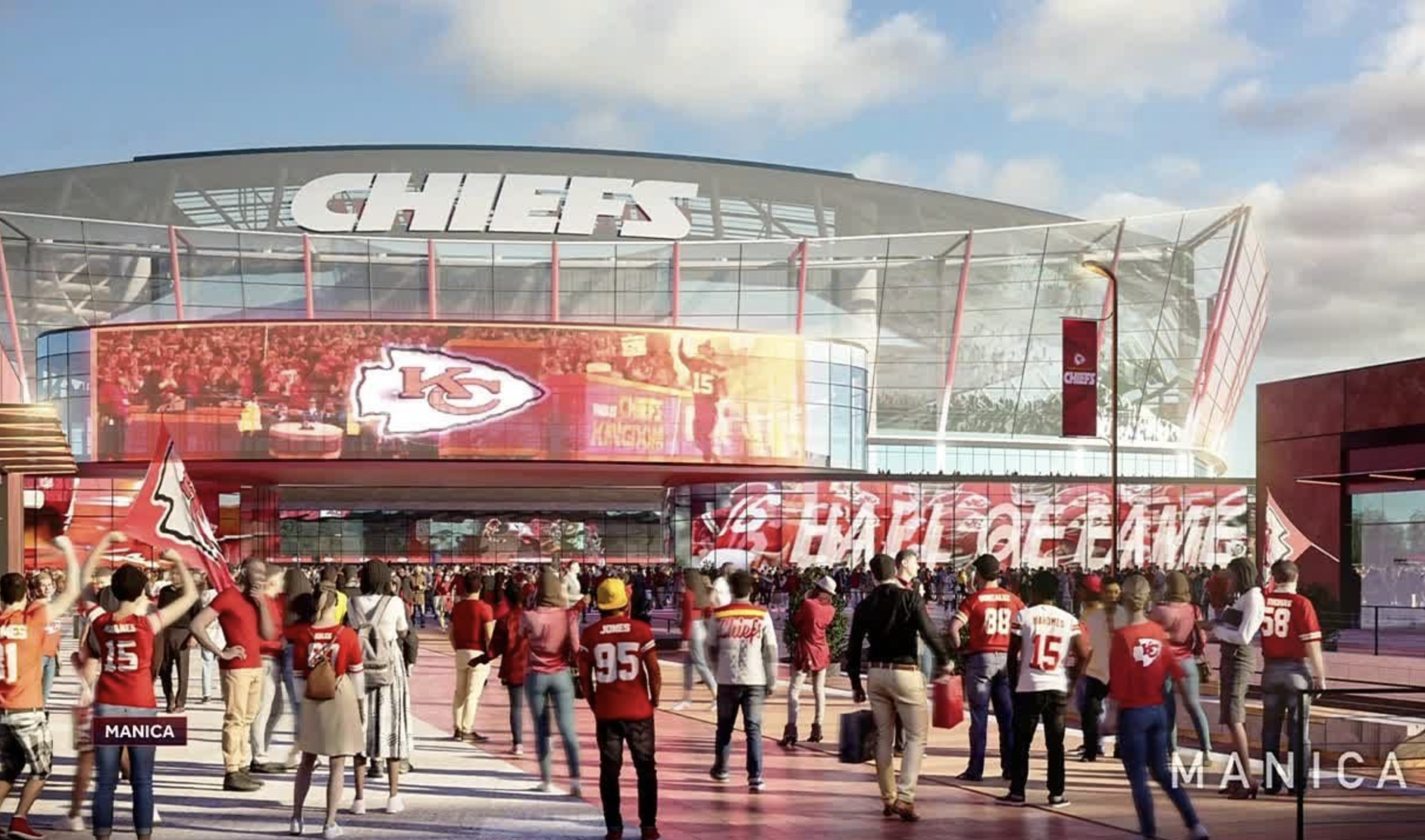
The proposed project centers on a new domed stadium in Wyandotte County, a move that would position the region to compete for major events beyond professional football, including concerts, conventions, and national sporting events. Economic development leaders say the stadium itself is only part of the story. The surrounding land is expected to attract a wave of mixed-use development designed to create year-round activity rather than a venue that sits largely idle outside of game days.

Developers are already speculating about new hotels, restaurants, and entertainment concepts aimed at capturing crowds drawn by games and special events. Retail space, office buildings, and residential projects are also likely, following a national trend in which sports venues anchor walkable districts that blend work, housing, and leisure. Similar developments around newer NFL stadiums have shown that teams increasingly serve as catalysts for broader commercial ecosystems rather than standalone attractions.

The Chiefs’ potential relocation is also expected to influence development patterns beyond the stadium site. Areas along major highway corridors in Kansas could see increased interest from employers seeking proximity to a high-profile destination and improved infrastructure. Hospitality and service industries are anticipated to benefit most immediately, while longer-term growth could include corporate offices and regional headquarters drawn by the visibility and prestige associated with the franchise.

Supporters argue the move would solidify the Kansas side of the metro as a hub for sports-driven economic development, while critics raise concerns about public financing and the loss of revenue for Missouri. Even so, real estate professionals note that large-scale stadium projects often generate momentum that extends well beyond initial projections, especially when paired with intentional planning and private-sector participation.

If the relocation proceeds, the Chiefs’ new home could reshape the commercial landscape of the metro area for decades, signaling a shift in how professional sports franchises influence urban growth, land use, and regional competition in the Kansas City area.


Header image: A rendering of a new Kansas City Chiefs stadium that may be built near the Legends in Wyandotte County, Kan. Image | Manica

Kansas City TIF Commission approves $484 million redevelopment plan for historic Scarritt Building

Kansas City’s Tax Increment Financing (TIF) Commission has approved backing for a roughly $480 million redevelopment plan that would transform the Scarritt Building, a historic downtown skyscraper, into a mixed-use complex featuring a luxury hotel, apartments, retail, and a music venue.

Under the plan, the Scarritt Building at 818 Grand Boulevard would be adaptively reused as a 167-room destination hotel branded by Universal Music. The broader project, located on the 800 block of Grand Avenue, would also include a residential tower with 319 multi-family units, about 28,000 square feet of ground-floor retail, and a 1,400-seat music and entertainment venue.

Port KC, the public development authority driving the project, approved the resolution to issue up to $480 million in taxable revenue bonds to support the development. Construction is expected to take place in two phases over roughly five years, with work on the Scarritt Building renovation slated to begin in 2026.

The Scarritt Building, completed in 1907, is one of downtown Kansas City’s oldest skyscrapers. It has been largely vacant in recent years but carries historic significance, having been added to historic registers.

The redevelopment effort seeks to pair preservation of the landmark building with catalytic growth for the surrounding Grand Corridor. Officials argue that restoring the Scarritt Building — alongside new housing, retail, and entertainment — aligns with broader goals of revitalizing the city’s core and driving long-term economic vitality.

If all goes according to plan, the development could bring new residents, visitors, and cultural amenities to downtown Kansas City, anchored by the historic Scarritt Building and powered by modern investment.


Header image: An aerial rendering highlighting the historic Scarritt Building at 818 Grand Blvd. in the Grand Corridor of downtown Kansas City. Image | Hoefer Welker

Olathe Council approves incentives for Lineage cold storage facility

The Olathe City Council has granted tax incentives to Lineage Inc. for the construction of a new automated cold storage warehouse, a project projected to exceed $300 million in investment and add hundreds of jobs to the region.

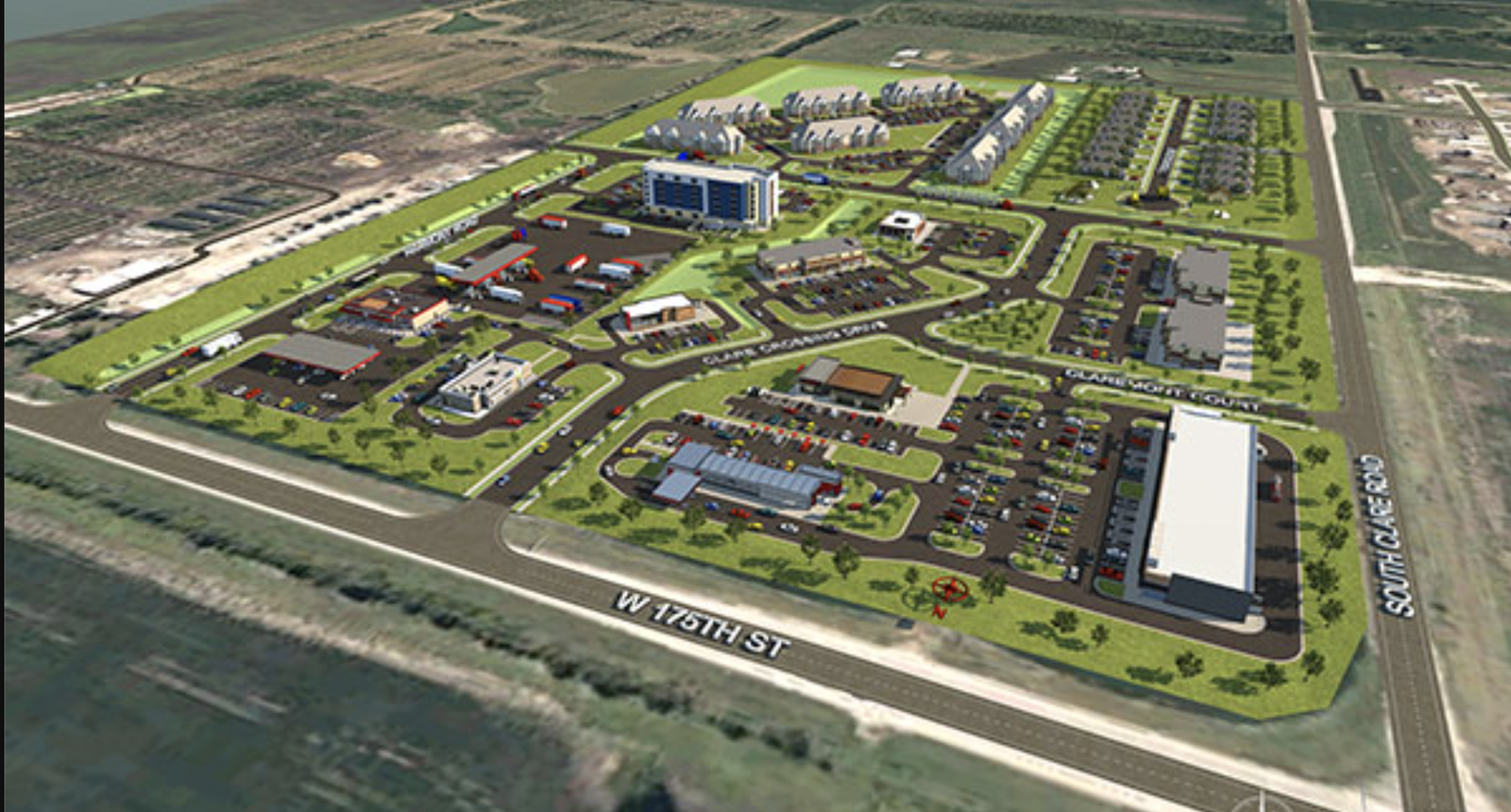
The state-of-the-art facility will rise near 175th Street and Lone Elm Road, covering roughly 219,000 SF on a 146-acre site. Once operational, the project is expected to generate around 200 long-term positions, with an average starting salary of about $60,000. The site selection aligns with Olathe’s employment corridor goals, reinforcing the city’s strategy to attract industrial and logistics-focused growth.

City officials approved a $23 million package of tax incentives for the project, which may include a combination of industrial revenue bonds and property tax abatements. The incentives are contingent upon performance benchmarks tied to job creation, investment thresholds, and operational safety standards.

The council’s approval followed months of review and a close 5-2 vote after the city’s Planning Commission initially recommended denial. Olathe staff cited the project’s alignment with future land-use plans and the city’s ability to support the infrastructure needs of a large-scale industrial operation.

The fully automated facility will serve as a regional logistics hub, supporting food producers, distributors, and retailers throughout the Midwest. Construction is expected to begin in 2026 with completion anticipated by 2027.

City leaders have positioned the Lineage development as a significant step toward expanding Olathe’s role in national supply chain operations. They emphasized that the project will contribute to long-term economic stability, create skilled employment opportunities, and enhance the city’s standing as a center for advanced logistics and cold storage innovation.


Header image: A rendering of the proposed 219,000 SF automated cold storage facility coming to Olathe, Kan. Photo | The City of Olathe

Flight to Quality, Fractional Spaces & the World Cup Effect: Key Takeaways from MetroWire’s Retail-Office Summit

Kansas City, Sept. 23, 2025 — In a packed room on a rainy fall morning, MetroWire’s Retail-Office Summit convened top voices from Kansas City’s commercial real estate community to tackle a central question: What will define successful office and mixed-use projects in the next 3–5 years?

The consensus: tenants are demanding more—better design, more flexibility, curated amenities—and developers must rethink fundamentals to deliver in a market reshaped by COVID, rising construction costs and global events like the 2026 World Cup.

From Flex to Flight: The New Office Tenant Playbook

Tom Ward (Kessinger Hunter) kicked off with a market reality check: while early pandemic shifts saw tenants push for shorter, more flexible leases, today’s rising construction costs have reversed that trend. Tenants are now locking in longer terms, especially in Class A office spaces that offer modern amenities, walkability and energy.

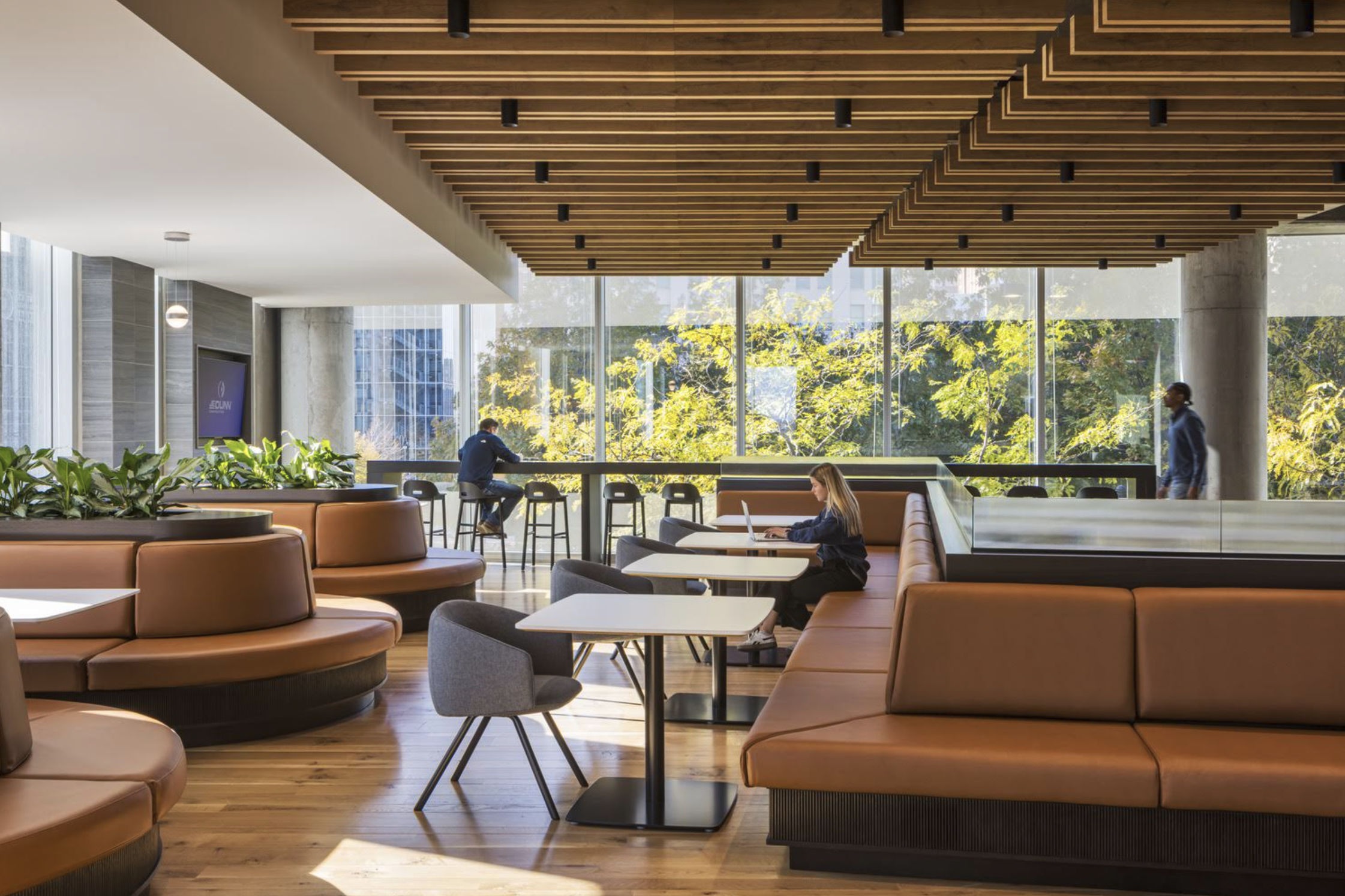
“Flight to quality” remains dominant. Tim Ockinga (JE Dunn) added that landlords must now build spaces better than home offices to win talent back. That means open collaboration zones, cafes, on-site fitness with active programming, and ample “third places” within the office.

Andrew Brain (Brain Group) observed growing interest in fractional-use spaces — shared training rooms, conference suites and drop-in work zones that tenants can access without paying for full-time occupancy. His Park 39 project is now 98% leased, up from 50% pre-COVID, driven by flexible usage models.

Repurposing & Suburban Shifts

Ward noted that while C-class buildings continue to struggle, B-class space remains competitive in suburban markets. Urban locations are seeing selective conversions to multifamily, especially where tax credits are available.

On the construction side, Ockinga cited JE Dunn’s pivot to prefab manufacturing as a way to combat labor shortages and inflation. “Labor is the top constraint,” he said. “We’re innovating by building offsite in controlled environments—it’s safer, more efficient, and helps balance limited skilled workforce.”

Programming, Retail Synergy & Amenity Wars

Audrey Navarro (Clemens Real Estate) highlighted the value of retail as placemaking. Coffee shops, plazas and pop-up spaces help lease-up velocity in new mixed-use developments, especially in emerging submarkets.

But she stressed that it’s not just design; it’s about programming. Landlords like Corporate Woods are hiring staff to activate common spaces with workshops and community events, borrowing tactics from multifamily to boost tenant retention.

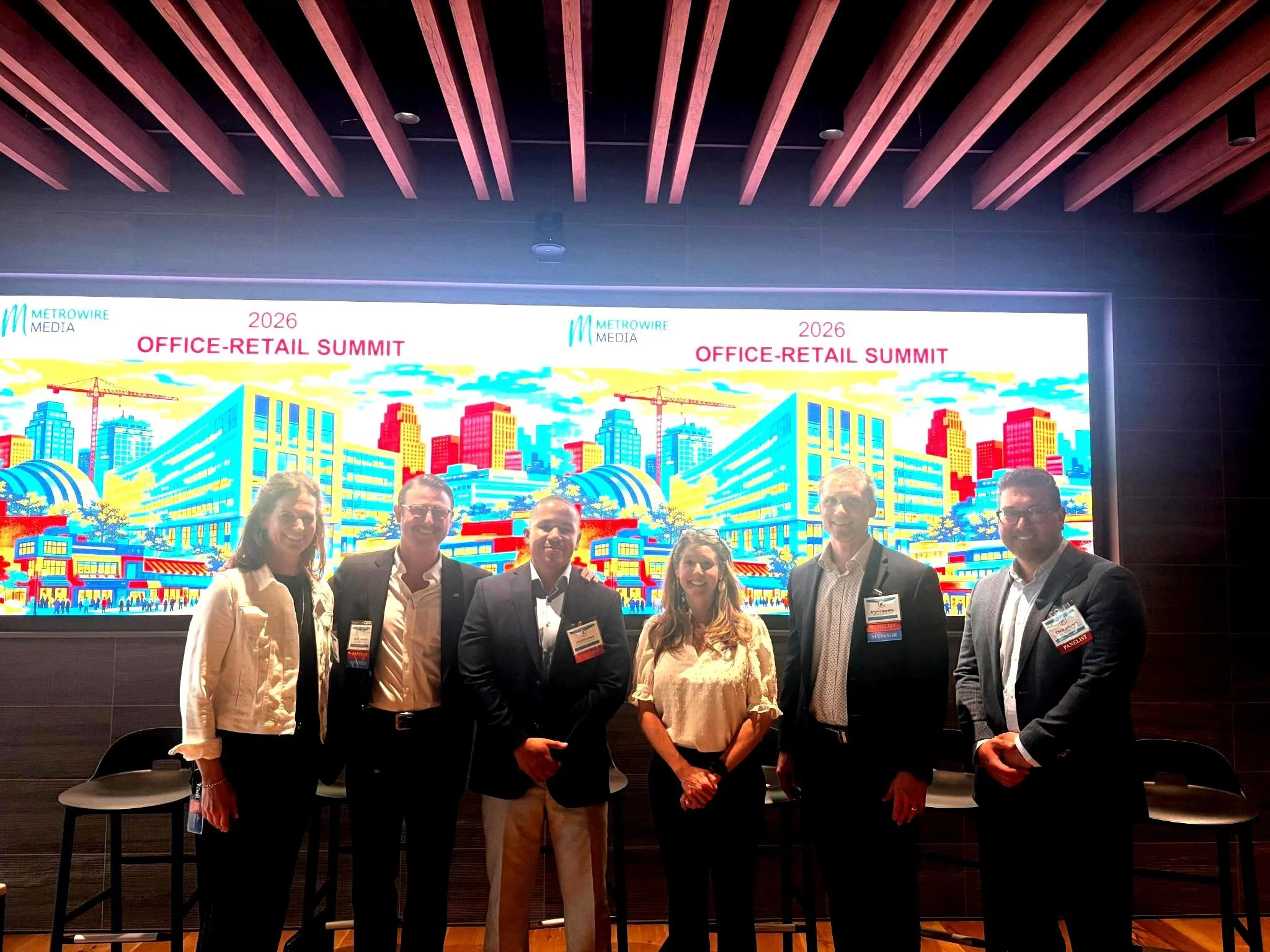
Above: Attendees of the MWM KC RETAIL + OFFICE SUMMIT networking before the panel discussion.

Capital Stacks & Creative Financing

Brain was blunt: “Office is a four-letter word to lenders right now.” His firm is front-loading equity—75% or more—on new deals while seeking nontraditional financing paths. Navarro shared a compelling recent deal on the Plaza where a seller, driven by legacy rather than returns, offered 2% seller-financing to achieve his desired valuation.

Where Economic Development Meets Real Estate

Samantha Jefferson (Kansas City Area Development Council) emphasized that company relocation decisions are increasingly tied to culture fit. Suburban settings appeal to distributed workforces; urban neighborhoods win with lifestyle and walkability. The key, she said, is matching space to company DNA.

She also noted the KCADC’s growing role in positioning Kansas City to national and international firms, especially ahead of the 2026 FIFA World Cup, which she called a “worldwide commercial for our region.”

Looking Ahead: 2026 and Beyond

Panelists were asked to forecast the next 3–5 years in office and retail:

  • Ward: Flight to quality will continue. As interest rates ease, Class A leasing and development will pick up.

  • Brain: Fractional space and flexibility will be key. Landlords must add shared-use environments to compete.

  • Navarro: Kansas City must avoid a one-size-fits-all approach. Success will come from diversity of inventory.

  • Ockinga: Corporate buildouts are on the rise again. Large tenants are ready to reinvest in headquarters space.

  • Jefferson: The key to long-term growth? Talent. Kansas City must continue producing a skilled, accessible workforce.

The final word came on market activity expectations. Most panelists predict moderate gains in leasing and transactions in 2026, spurred in part by the World Cup and improving capital conditions.

Next Up at MetroWire: The Industrial Summit, Oct. 30, will explore trends shaping KC’s booming logistics and manufacturing landscape.


Header image: The 2025 MWM Retail + Office Summit panelists from left to right–Tom Ward, Beck Johnson (Moderator), Samantha Jefferson, Tim Ockinga, Audrey Navarro, Andrew Brain, and Russ Pearson with BoxDevCo Real Estate at the podium.