T-Mobile

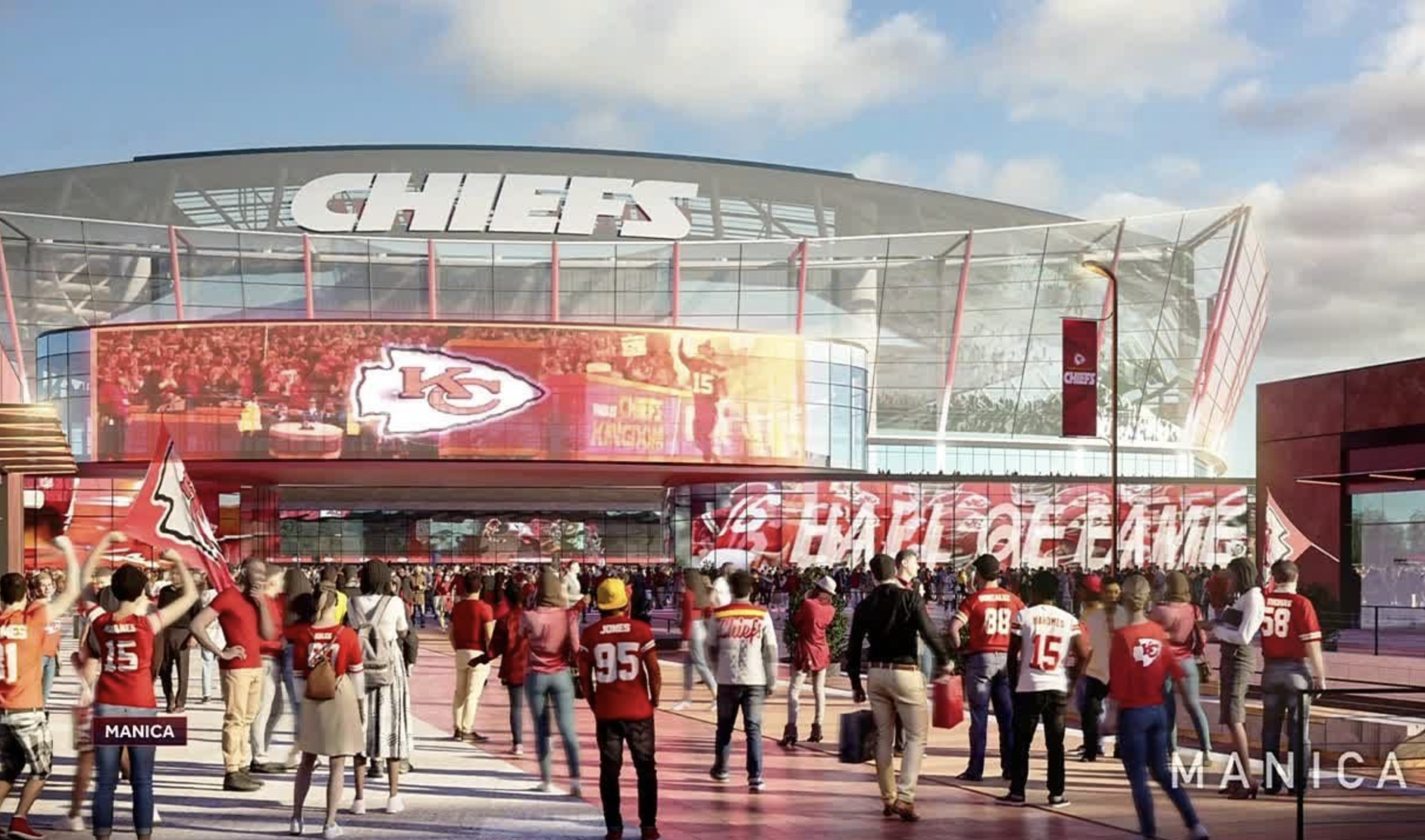
Royals Stadium debate pits economic promise against community pushback

The Kansas City Royals are weighing three potential locations for a new ballpark as their lease at Kauffman Stadium approaches its end, but a growing wave of local opposition — most loudly voiced in Johnson County — has turned the search into a high-stakes political and economic tug of war.

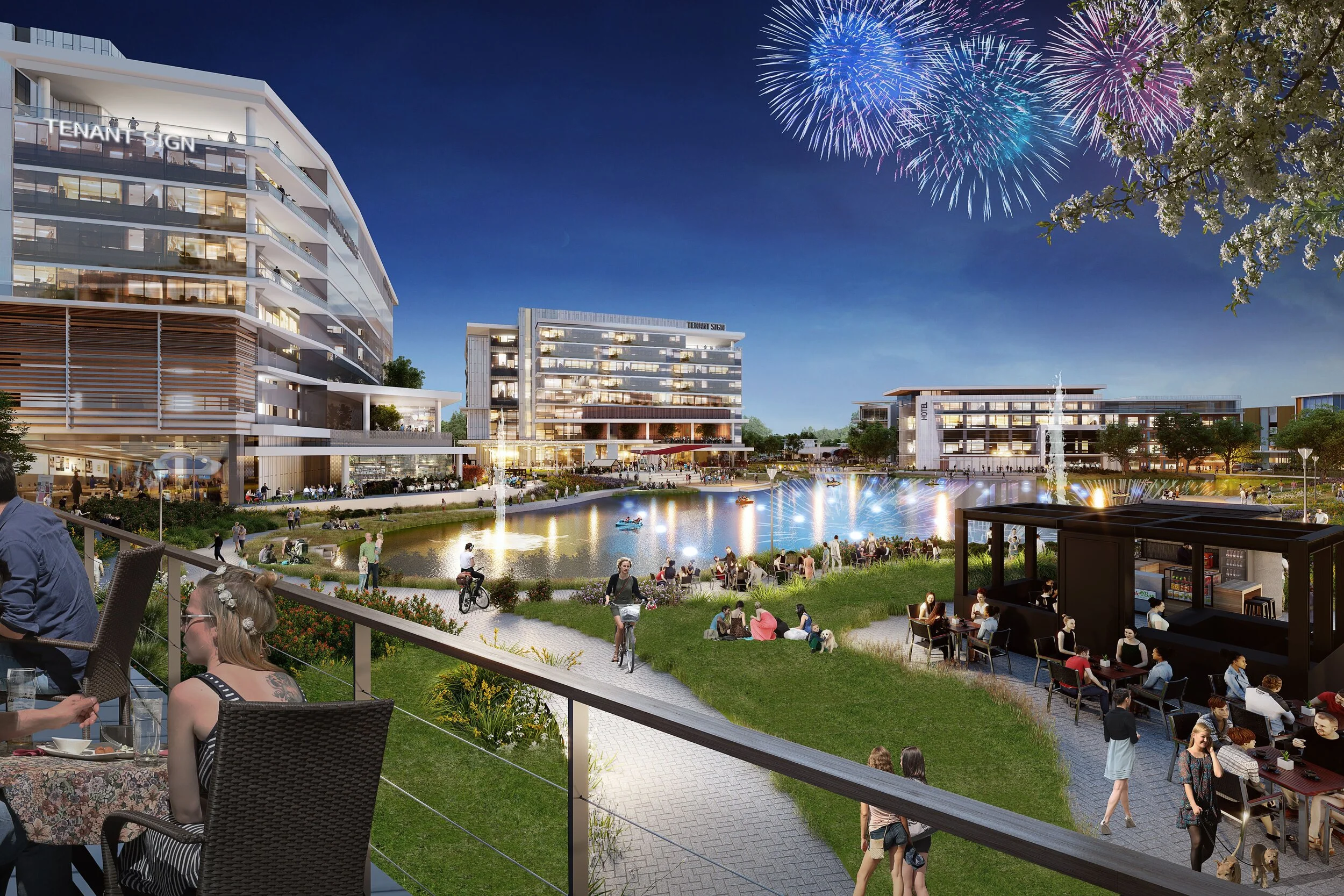
Team officials have identified North Kansas City, a site just south of downtown Kansas City, and the Aspiria campus area in Overland Park as the primary options under consideration. The Aspiria site, near 119th Street and Nall Avenue, drew public attention after a Royals affiliate purchased the property’s mortgage as part of a broader site-evaluation process.

Supporters of a move point to potential economic benefits: a modern stadium could spur mixed-use development, increase hotel and restaurant business, and expand the region’s entertainment footprint, particularly if paired with residential and office projects that promote walkability and year-round use. Proponents say a thoughtfully designed ballpark can act as a catalyst for urban renewal and new tax revenues without forever burdening taxpayers.

But the proposal at Aspiria has encountered intense resistance from suburban neighbors and municipal leaders worried about traffic, neighborhood character and the loss of existing jobs. T-Mobile, which maintains a major presence at the former Sprint campus, warned it could relocate more than 3,500 employees if a stadium were built on the site, saying the campus cannot accommodate both a corporate workforce and a major-league ballpark. That threat has become a central talking point for opponents who say the immediate economic costs could outweigh long-term gains.

Leawood and other Johnson County communities have hosted town halls, organized petitions and issued formal letters opposing the Overland Park option, arguing residents were left with more questions than answers about traffic mitigation, public financing and the long-term master plan for the area. More than 1,300 signatures have been collected on a petition opposing a stadium at the Aspiria campus, and local elected officials have publicly registered their concern.

North Kansas City and the downtown site offer different trade-offs. North Kansas City supporters emphasize better connectivity to existing transit arteries, shorter commutes for many metro residents and the chance to integrate housing and retail around the ballpark. A downtown-adjacent location promises higher foot traffic and tourism synergies but raises familiar worries about displacement, parking strain, and whether increased development around a stadium will serve longtime residents or primarily outside investors.

State and local deadlines add urgency. Kansas and Missouri lawmakers have moved incentives into place, and advisory deadlines this winter and next year have focused attention on the timetable for a deal — elevating both public pressure and political risk for officials who must decide whether to back taxpayer support for infrastructure and transit improvements.

The Royals insist no final decision has been made and that they are continuing to evaluate options in both states, but the path forward will require negotiating a delicate balance: placating anxious suburbs, retaining major employers, protecting neighborhood character and building a venue robust enough to anchor future development. Whatever site is chosen, the outcome will reverberate beyond baseball — reshaping traffic patterns, employment locations and the economic map of the Kansas City region for decades. 


Header image: A rendering of a new Kansas City Royals stadium proposed just south of downtown Kansas City, Mo. Image | Kansas City Royals
$26.5 billion Sprint and T-Mobile merger paves stability for Johnson County

Last week a federal judge ruled in favor of the $26.5 billion Sprint and T-Mobile merger, shutting down anti-trust arguments brought by a group of attorney generals and clearing the way for the merger to close as early as April this year.
Prior to this ruling, reports of concerns on the stability of Sprint as a standalone company if the merger was blocked, created uncertainty of Sprint and T-Mobiles’ future office presence in South Johnson County. 

"These fears are now alleviated, as the merger will pave the way for stability in the Kansas City office market and the companies’ commitment to remaining in Kansas City. All signs point to continued stability in Johnson County," according to a recent report by JLL Research*.

The former Sprint Campus, now renamed as The Campus, sold to Occidental Management in July 2019. That quarter, availability in South Johnson County increased 0.4% after several former Sprint spaces became available. 

Availability in South Johnson County currently stands at 13.7%, below the market average of 16.2%.

Sprint currently occupies an estimated 2.2M SF of The Campus, with long-term leases to remain in about 1M SF. Sprint has also committed to at least $25M of capital investment to improve their long-term space.

About 1.5M SF is currently leased by third party tenants; 120,000 SF of which was leased since Occidental acquired The Campus. About 130,000 SF is currently available and marketed for lease. Occidental Management plans to invest significant capital in the campus to add amenities and attract third-party tenants.

A Place For Mom recently leased 42,000 SF at The Campus to house their first Kansas City office and has plans to hire 600 new employees to the KC metro.

Sprint currently employs 6,000 people at the campus and has shared speculative plans to hire 1,000 more.

*Statistics, opinions and other facts in this article sourced by JLL Research.

Sprint campus sale, new DT office tower among most anticipated CRE events of 2019

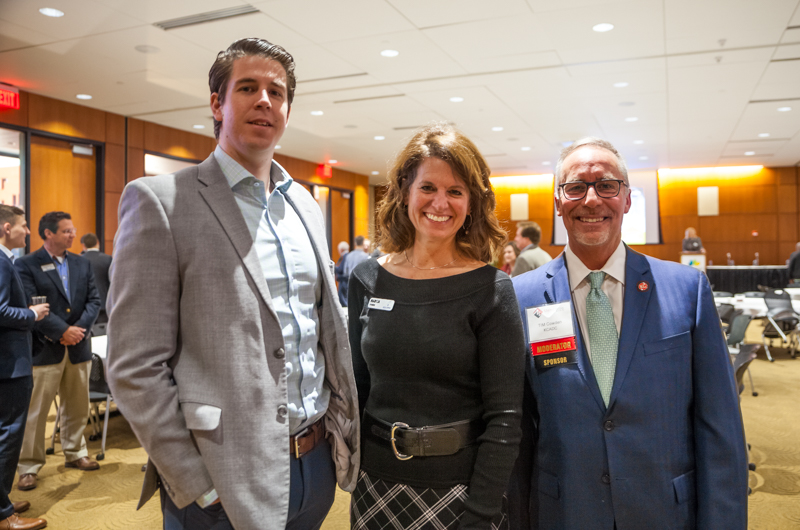
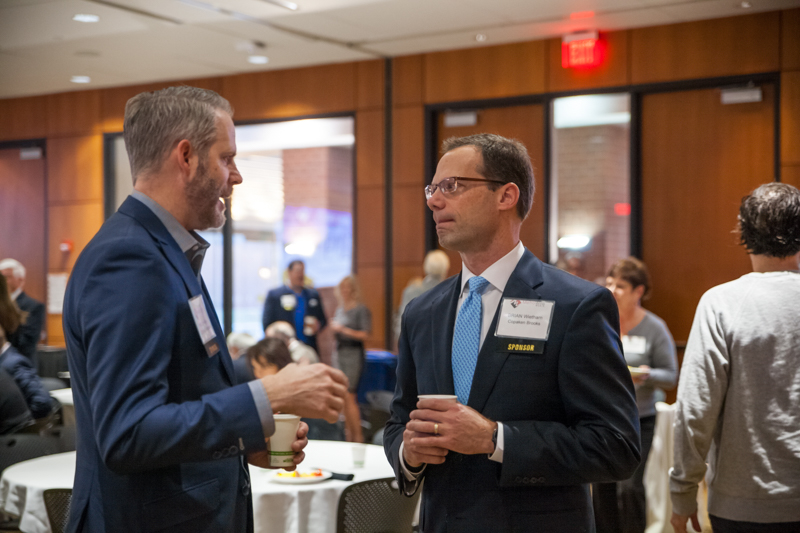
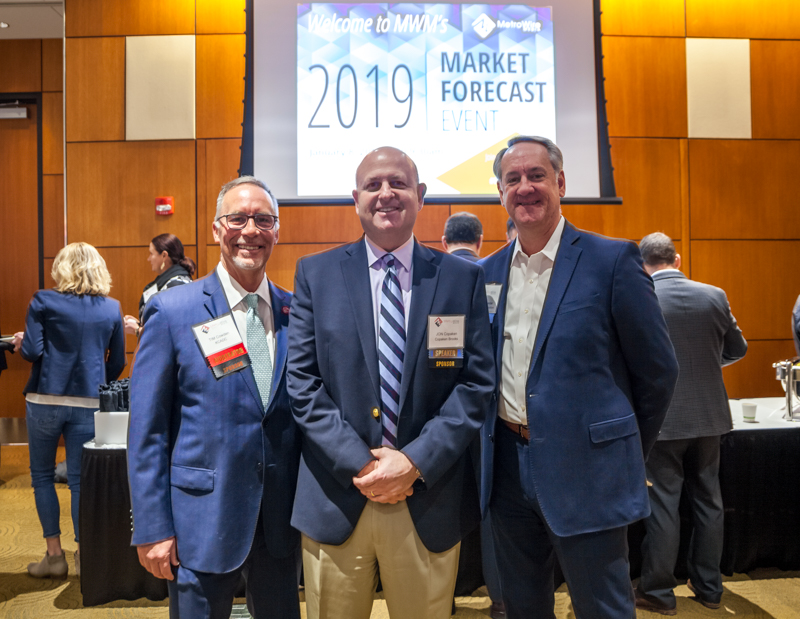
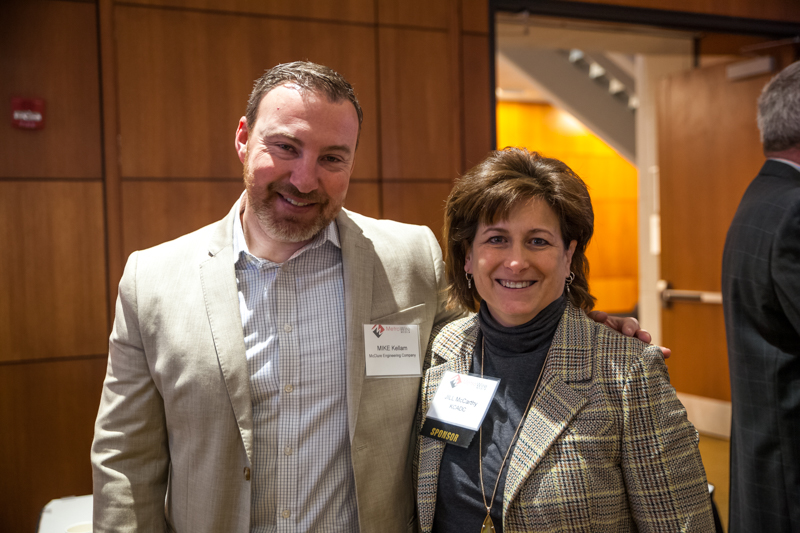
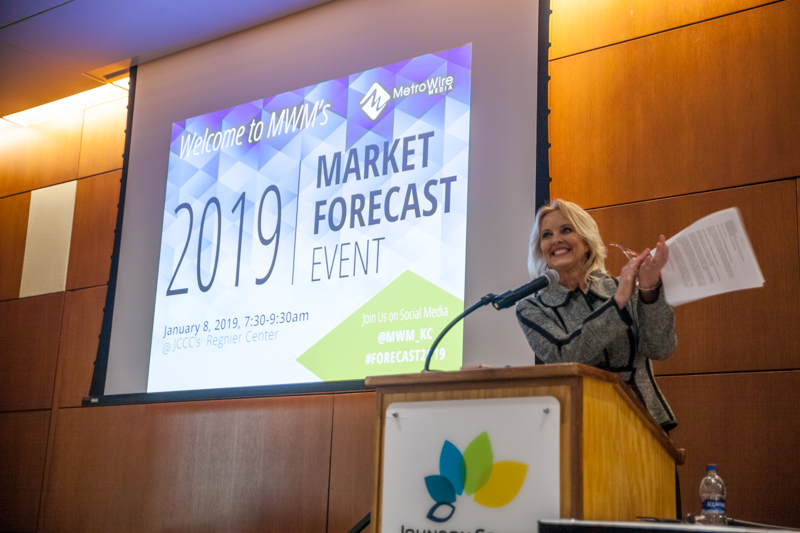
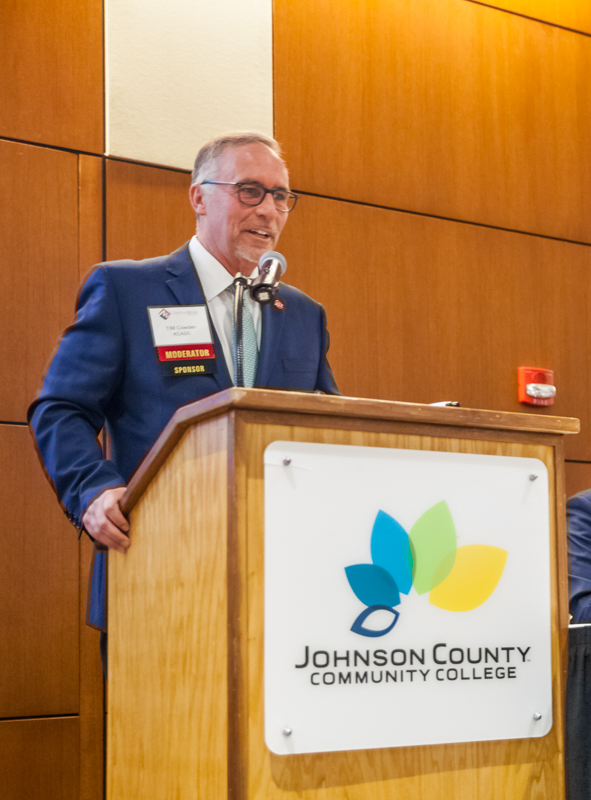
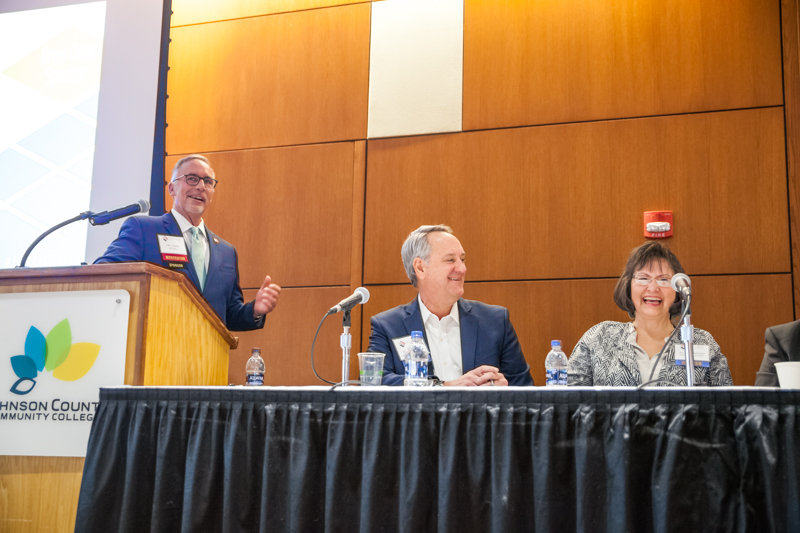
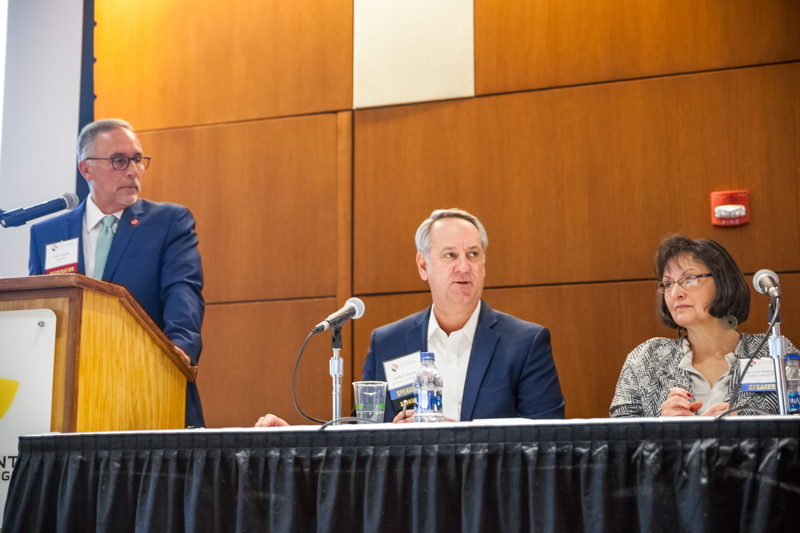
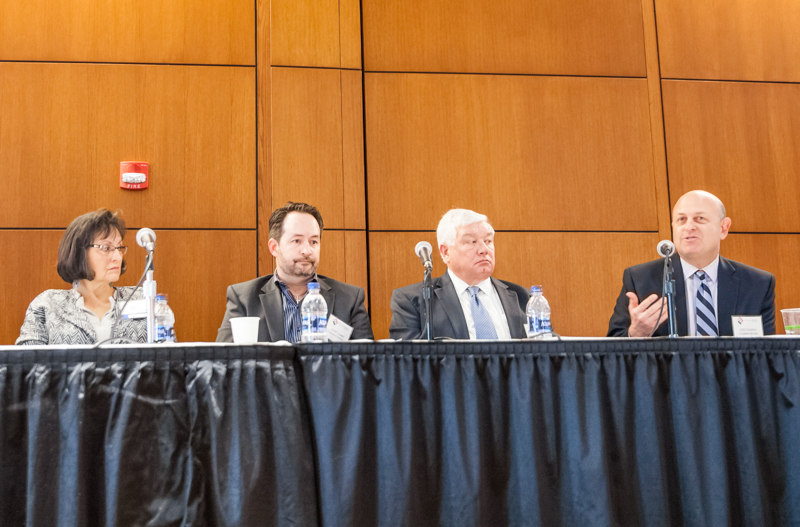
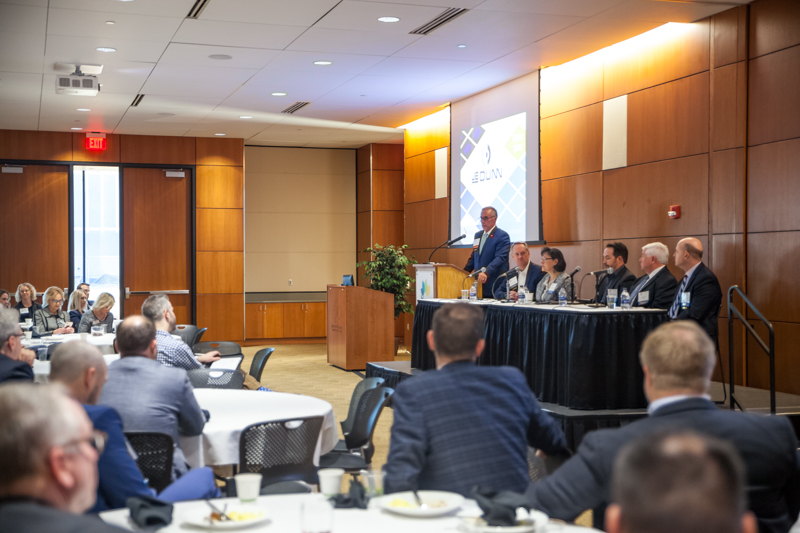
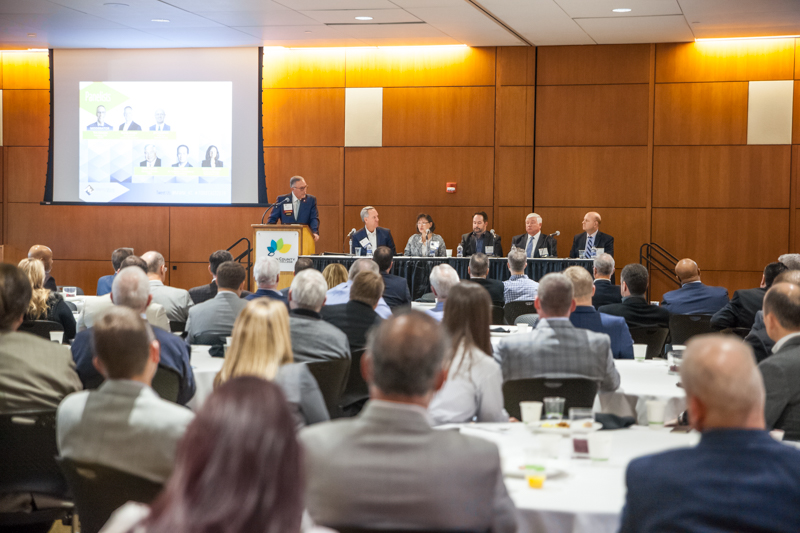
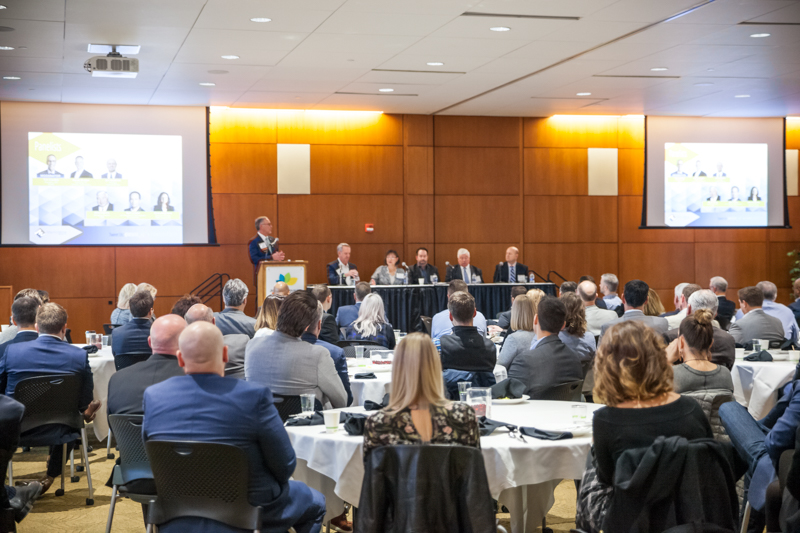
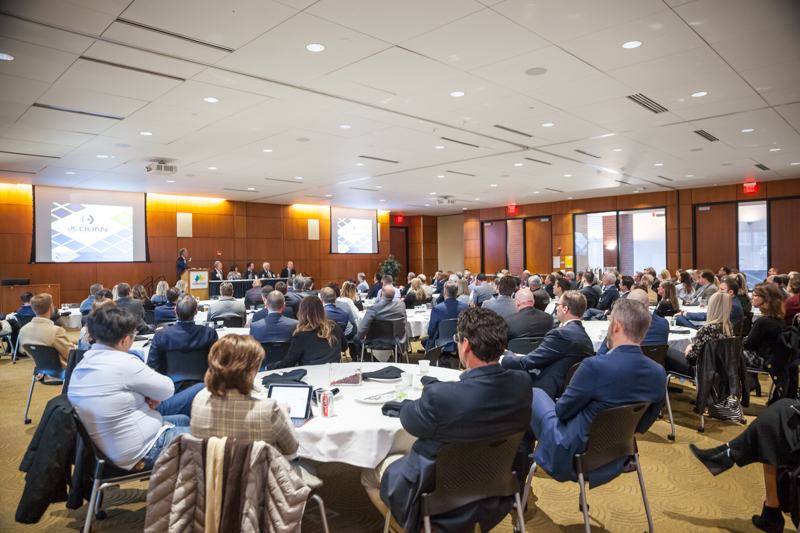
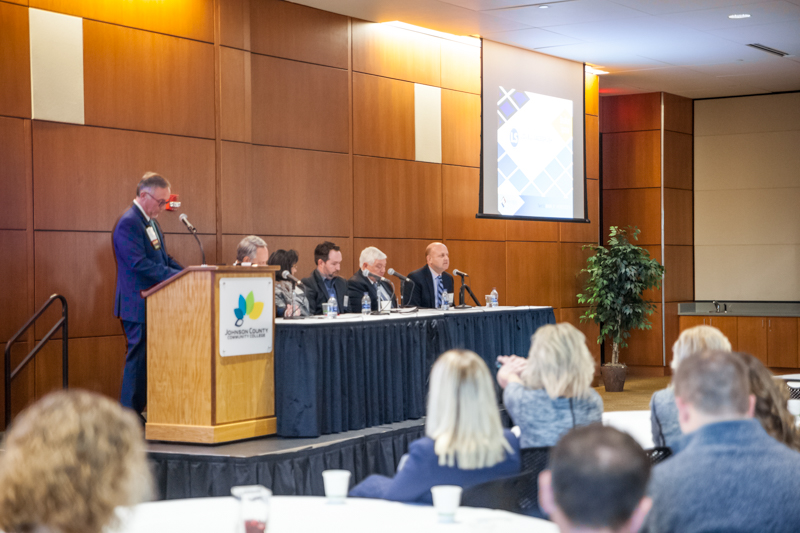
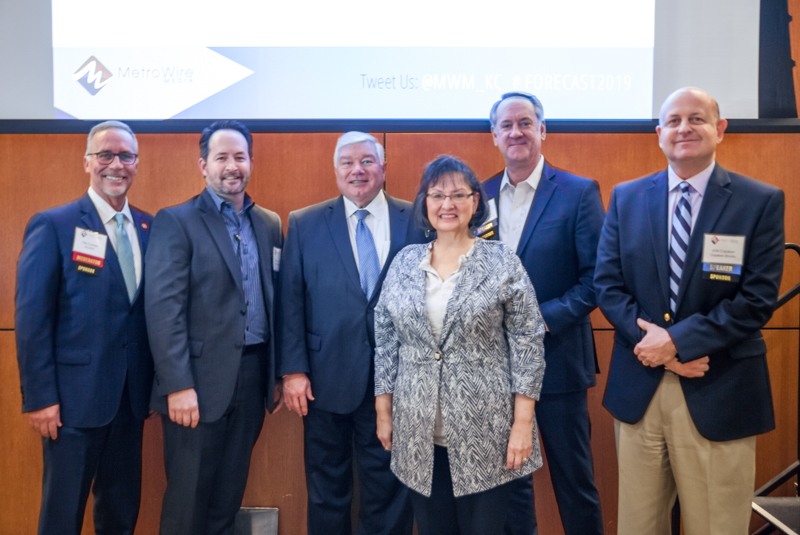
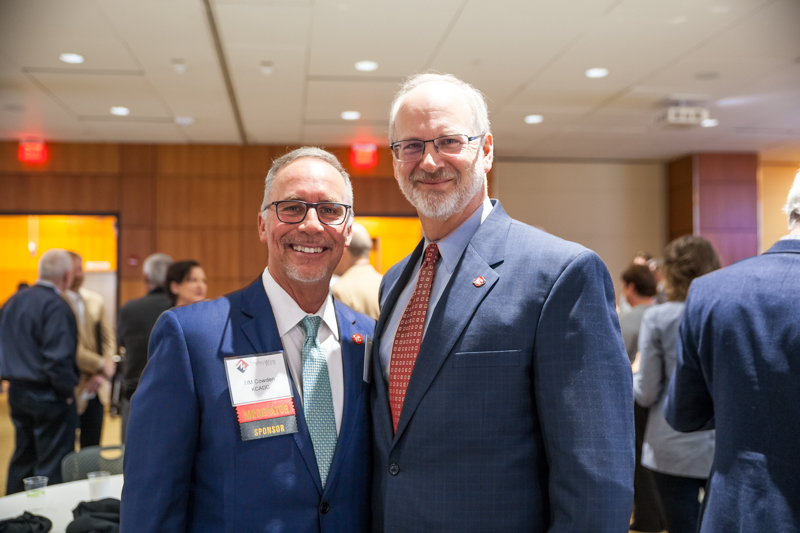
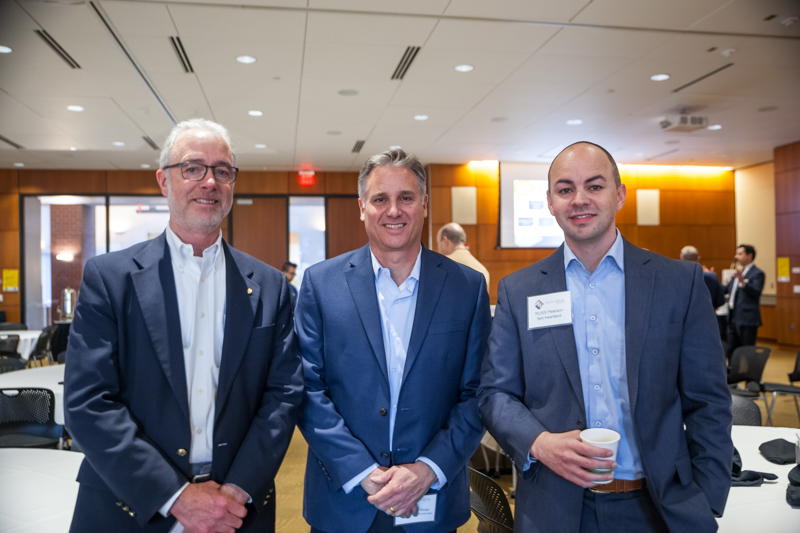
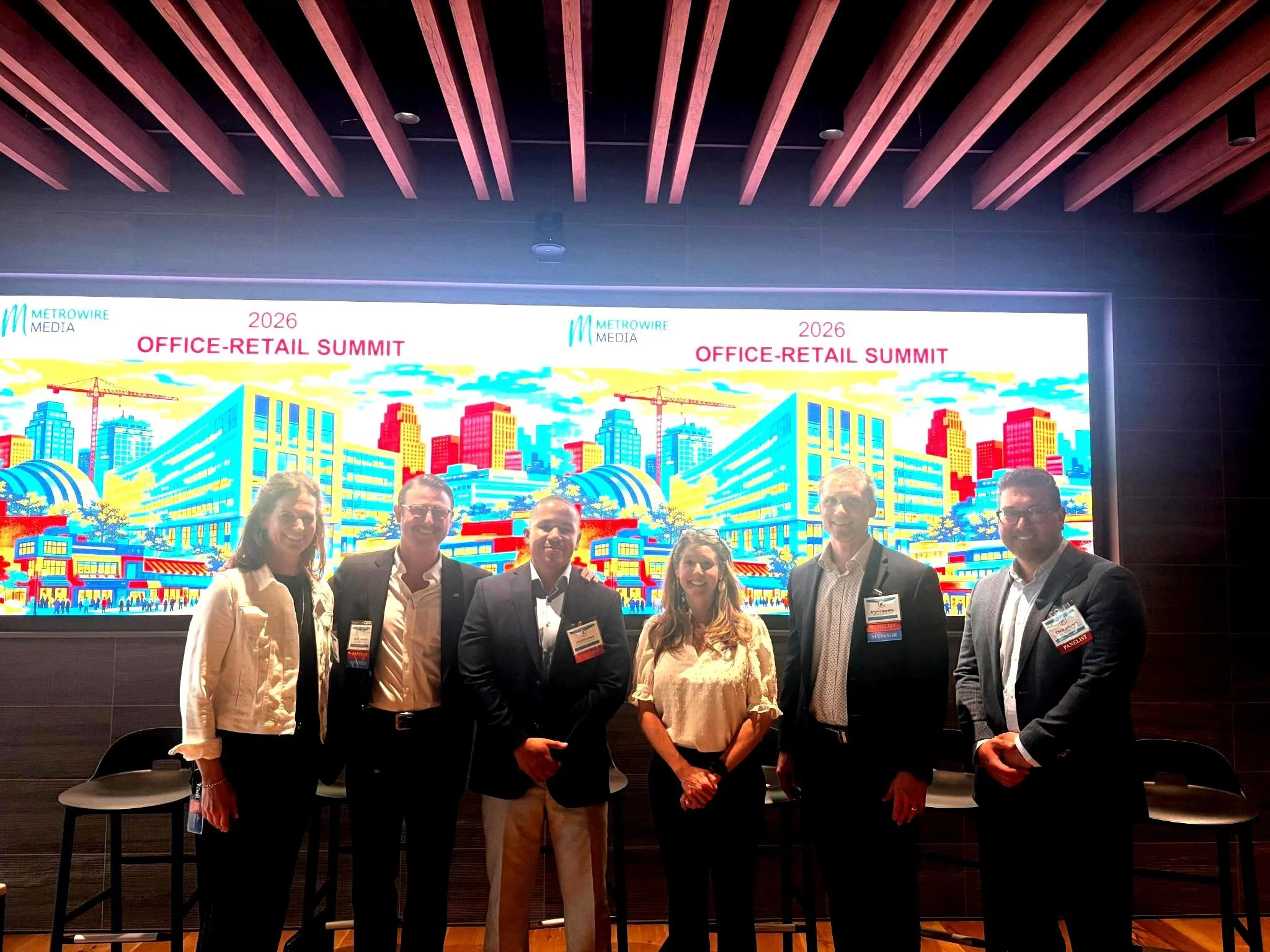
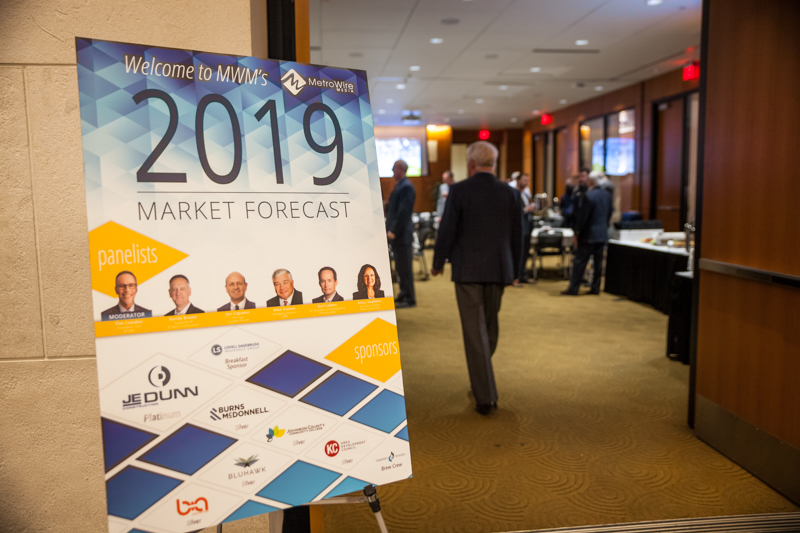
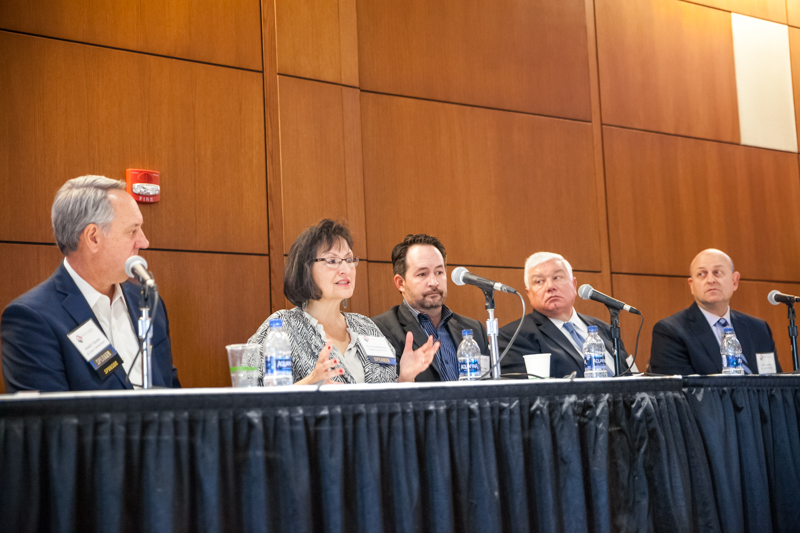
The expected sale of Sprint's 4 million square foot Overland Park campus will be a bellwether event for the Kansas City regional commercial real estate market in 2019. That's the consensus from panelists at MetroWire Media's KC Market Forecast held Jan. 8, at Johnson County Community College. The event was moderated by Kansas City Area Development Council (KCADC) President and CEO Tim Cowden.

"It's going to have a monumental impact. We're talking about 25 percent of the KC office market trading hands in 2019," said Mike Klamm, Managing Director for CBRE's Kansas City office. "The new owner will have new objectives, motivations and strategies to put tenants on that campus."

The sale could bring an estimated 1 million to 1.5 million square feet of Class A office space up for lease in the historically strong Johnson County submarket by the middle of the year. 

Beyond Overland Park, Sprint's pending merger with T-Mobile will reverberate throughout the region's office market as communities seek creative ways to backfill the carrier's inventory of older office space.

"We have a lot of Class B space in Platte County," said Alicia Stephens, Executive Director of the Platte County Economic Development Council. "To see what Sprint did when it first opened and then when it downsized- and now with the merger-  I think it has a long-term impact for us."

As Sprint seeks suitors for its campus, Copaken Brooks will continue to build its case for a new, Class multi-tenant high-rise office building in Downtown Kansas City. The 250,000-square foot tower would be the first of its kind in about 30 years.

"We think people will pay a premium for something new and innovative in terms of layout, size and technology. The task is figuring out how deep is that market, and how much do people really want to pay?" said Jon Copaken, Principal of Copaken Brooks. "We feel the time is right to explore than and get that done."

Other top development stories to watch in 2019, according to MetroWire Media panelists:

*Construction of the new KCI (Alicia Stephens)

*Growth in Data Center, K-12 Educational projects (Randy Bredar, JE Dunn Construction)

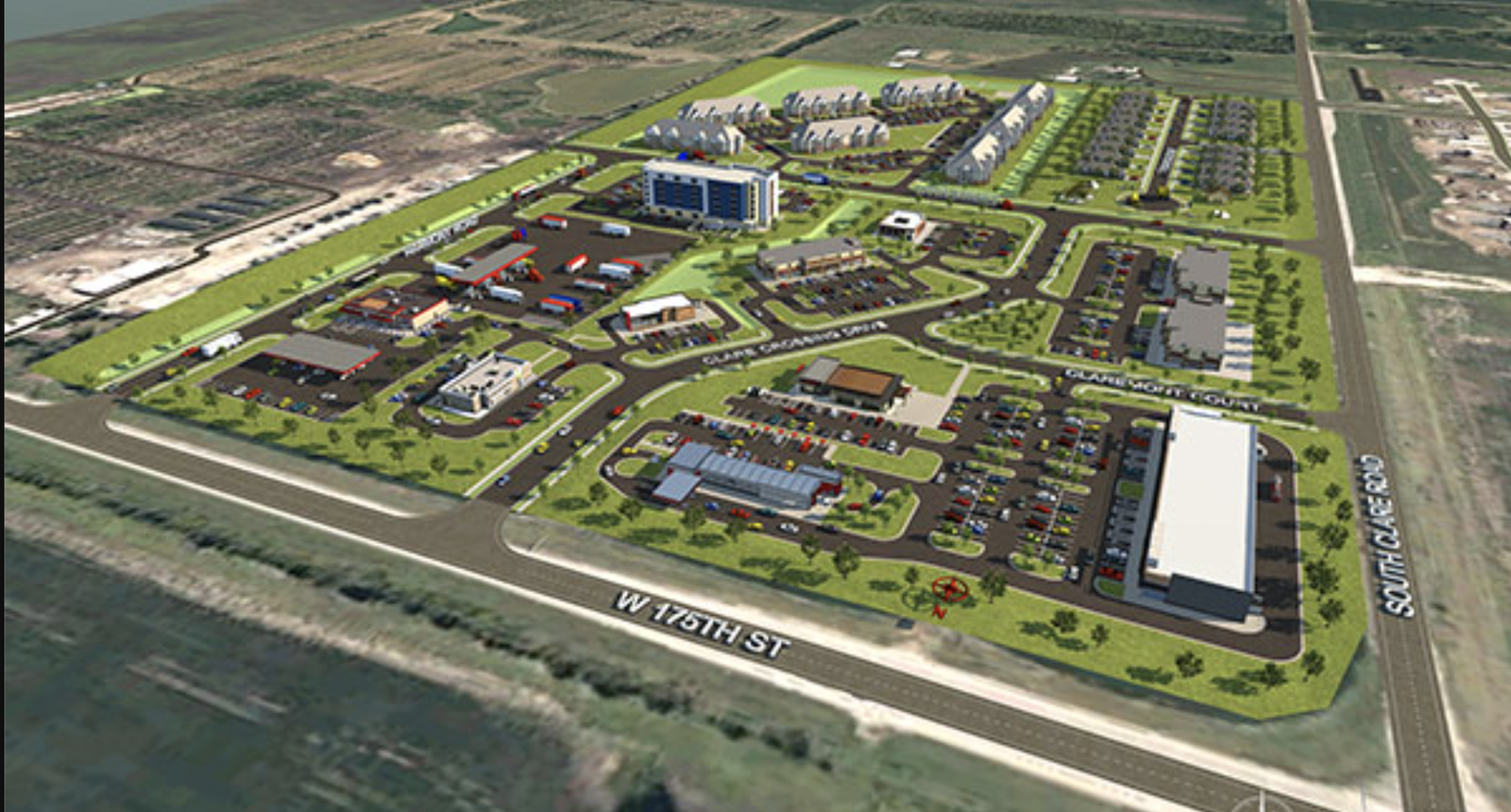
*Fruition of several sports-themed mixed-use projects, such as Bluhawk in South Overland Park (Bart LowenPrice Brothers Development)

*KC Streetcar extension to UMKC (Jon Copaken)

*Access to Opportunity Zones (Mike Klamm, CBRE)

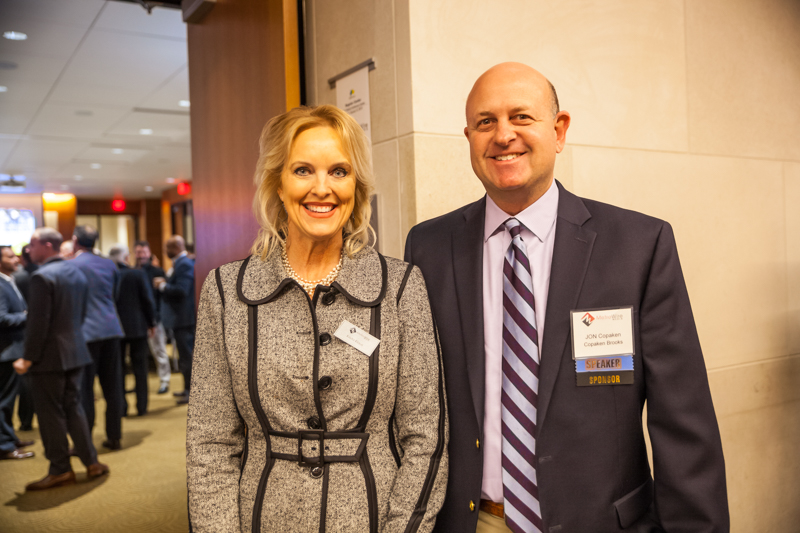
Check out a slideshow from the event here. Photos courtesy of Jacia Phillips, Arch Photo KC.