



Kansas politics and local development buzz have converged in an unprecedented way: the Kansas City Chiefs’ potential move across state lines has turned Wyandotte County and neighboring cities like Olathe into arenas for competing economic incentives. What began as a singular bid for an NFL stadium has mushroomed into a complex web of STAR bond districts, municipal tax pledges, and fierce negotiations involving key decision-makers and business partners statewide.
At the heart of the effort is a massive plan to build a $3 billion domed stadium in Wyandotte County, paired with a new Chiefs headquarters and training facility in Olathe, Johnson County — a project with total development costs approaching $4 billion. The state of Kansas and the Chiefs organization negotiated a public-private partnership that uses STAR (Sales Tax and Revenue) bonds to finance up to 60 percent of the public portion of the work, with the team covering the remaining share. STAR bonds allow public sales tax generated within a designated district to be used to repay bondholders without creating new tax levies on residents.
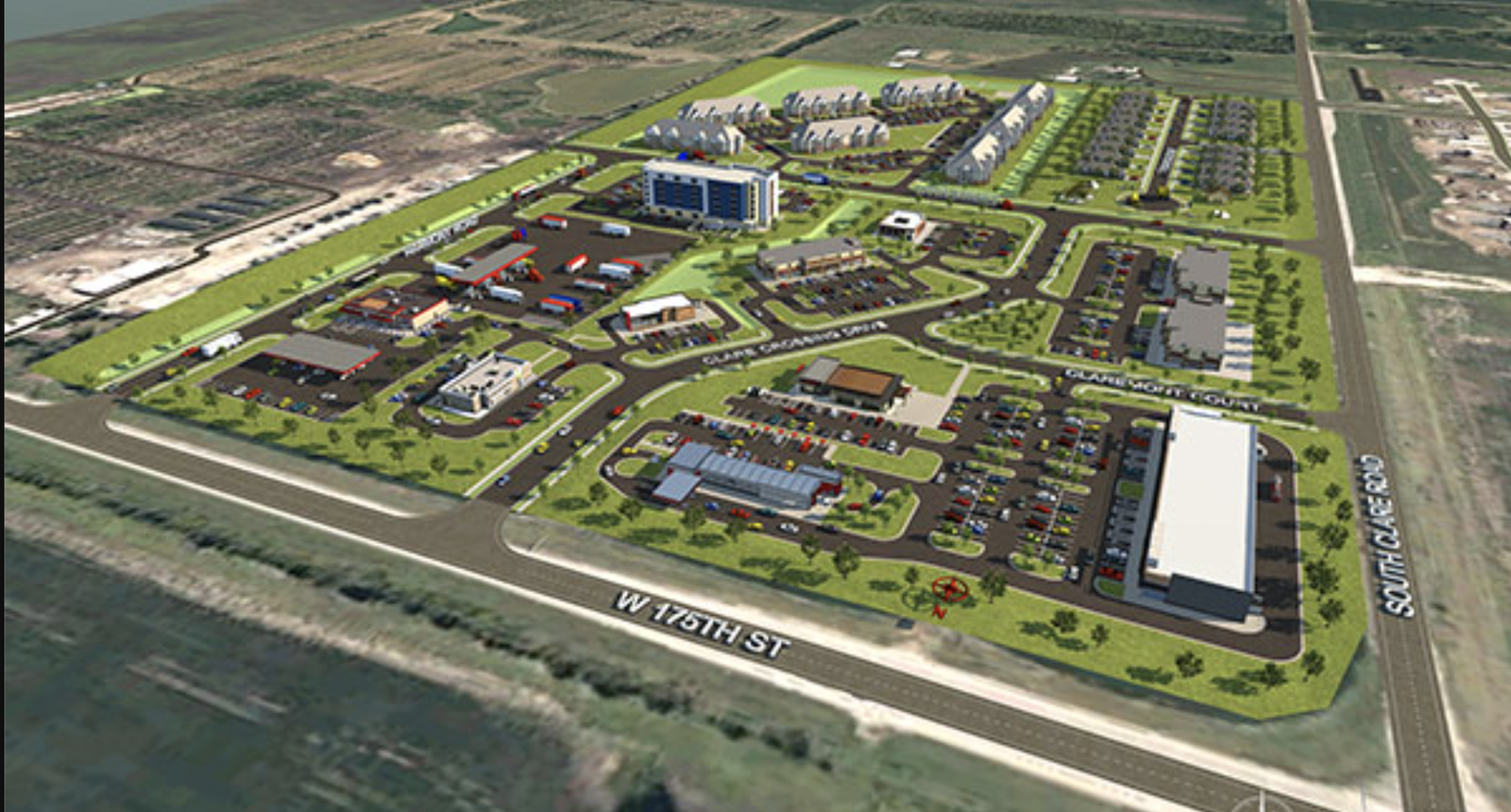
In Wyandotte County, the Unified Government (UG) of Wyandotte County and Kansas City, Kansas, has held spirited hearings on an ordinance that would establish a STAR bond district stretching more than 200 acres between 118th and 126th streets. Under the proposal, Wyandotte County would pledge future local sales tax, part of county sales tax, and up to 8 percent of transient guest taxes collected in the district toward bond repayment for up to 30 years. A key figure at recent hearings was Todd LaSala, outside development counsel for the UG, who outlined the financial mechanics and conditions for local participation.
Meanwhile, in Olathe, city leaders have moved aggressively on their piece of the Chiefs puzzle. The Olathe City Council voted unanimously to pledge local sales and hotel tax revenue from a 165-acre development site at College Blvd. and Ridgeview Rd. to support STAR bonds for the Chiefs’ headquarters and practice facility. As part of that plan, Olathe would redirect 1 percent of city sales tax and portions of county and hotel taxes generated in the “base revenue area” toward bond repayment. This commitment stretches up to three decades but avoids raising existing tax rates. Mayor John Bacon and council members championed the measure as a catalyst for jobs and long-term economic growth, even amid vocal public debate.
The Chiefs organization, led by Chairman and CEO Clark Hunt, has signaled strong support for both STAR bond districts, making clear that local incentives were a crucial part of the overall agreement with the state. Gov. Laura Kelly and state legislative leaders also played central roles in crafting the incentive framework, including the use of Kansas’s Attracting Professional Sports to Kansas Fund alongside STAR bonds to sweeten the deal without imposing new statewide taxes.
For Wyandotte County and its neighbors, this isn’t just a stadium bid — it’s a test of economic strategy under pressure. With multiple communities pledging future tax revenues and public hearings drawing packed rooms, the Chiefs project has become a catalyst for reconsidering how incentives are used, who pays the price, and how long the benefits must be weighed against competing development needs.
Header image A rendering of a domed Kansas City Chiefs stadium in Wyandotte Co., Kansas. Image | Manica Architecture