
KCK

Chiefs’ move to Kansas could transform commercial development across the metro

The Kansas City Chiefs’ planned move to the Kansas side of the Kansas City metro area is already reshaping expectations for commercial growth, real estate investment, and long-term economic development. While the relocation would mark the end of the team’s decades-long run in Missouri, it is widely viewed by Kansas officials and developers as a generational opportunity to anchor new construction and private investment around a modern NFL stadium.

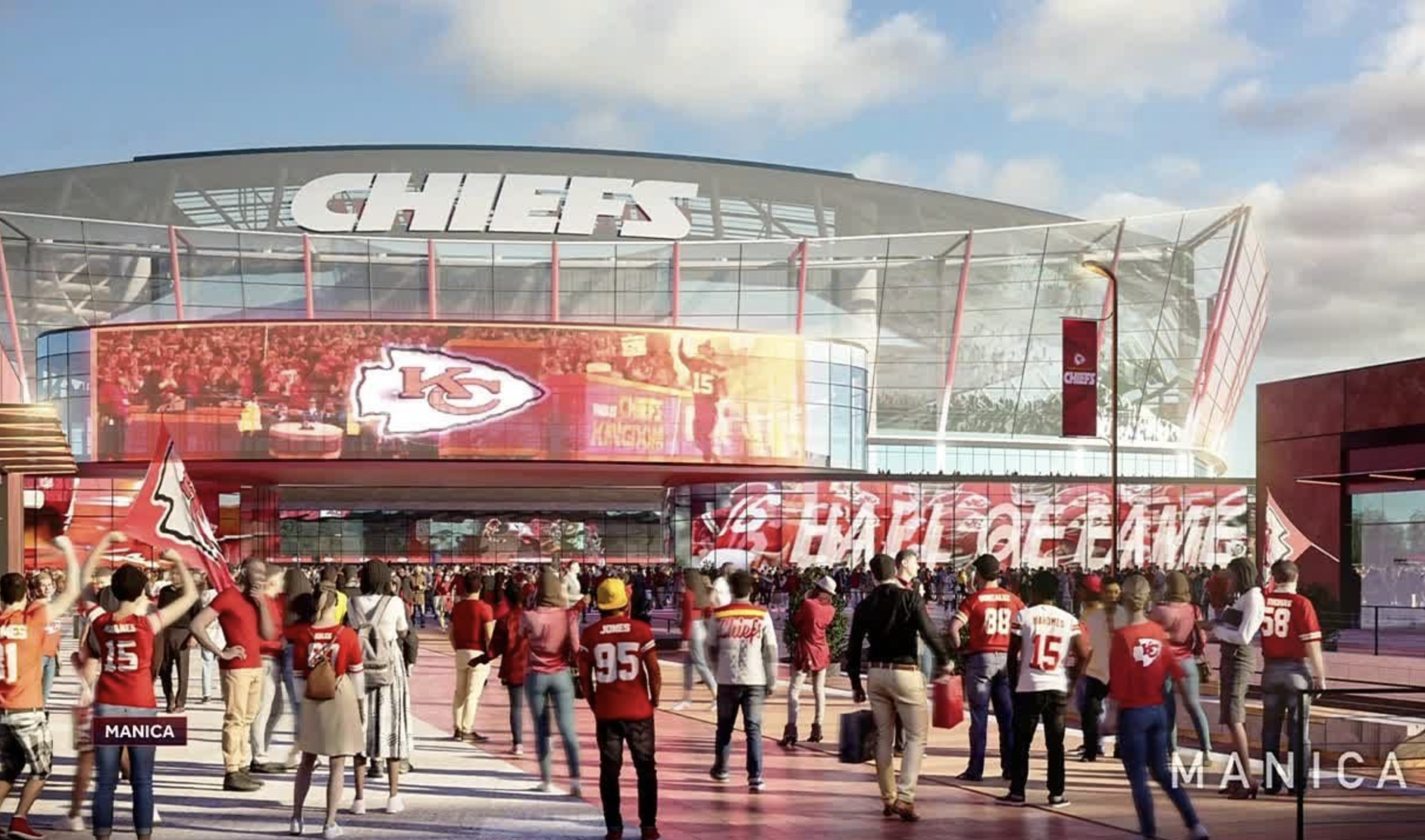
The proposed project centers on a new domed stadium in Wyandotte County, a move that would position the region to compete for major events beyond professional football, including concerts, conventions, and national sporting events. Economic development leaders say the stadium itself is only part of the story. The surrounding land is expected to attract a wave of mixed-use development designed to create year-round activity rather than a venue that sits largely idle outside of game days.

Developers are already speculating about new hotels, restaurants, and entertainment concepts aimed at capturing crowds drawn by games and special events. Retail space, office buildings, and residential projects are also likely, following a national trend in which sports venues anchor walkable districts that blend work, housing, and leisure. Similar developments around newer NFL stadiums have shown that teams increasingly serve as catalysts for broader commercial ecosystems rather than standalone attractions.

The Chiefs’ potential relocation is also expected to influence development patterns beyond the stadium site. Areas along major highway corridors in Kansas could see increased interest from employers seeking proximity to a high-profile destination and improved infrastructure. Hospitality and service industries are anticipated to benefit most immediately, while longer-term growth could include corporate offices and regional headquarters drawn by the visibility and prestige associated with the franchise.

Supporters argue the move would solidify the Kansas side of the metro as a hub for sports-driven economic development, while critics raise concerns about public financing and the loss of revenue for Missouri. Even so, real estate professionals note that large-scale stadium projects often generate momentum that extends well beyond initial projections, especially when paired with intentional planning and private-sector participation.

If the relocation proceeds, the Chiefs’ new home could reshape the commercial landscape of the metro area for decades, signaling a shift in how professional sports franchises influence urban growth, land use, and regional competition in the Kansas City area.


Header image: A rendering of a new Kansas City Chiefs stadium that may be built near the Legends in Wyandotte County, Kan. Image | Manica

Indian Springs redevelopment nears $1 billion with updated plans.

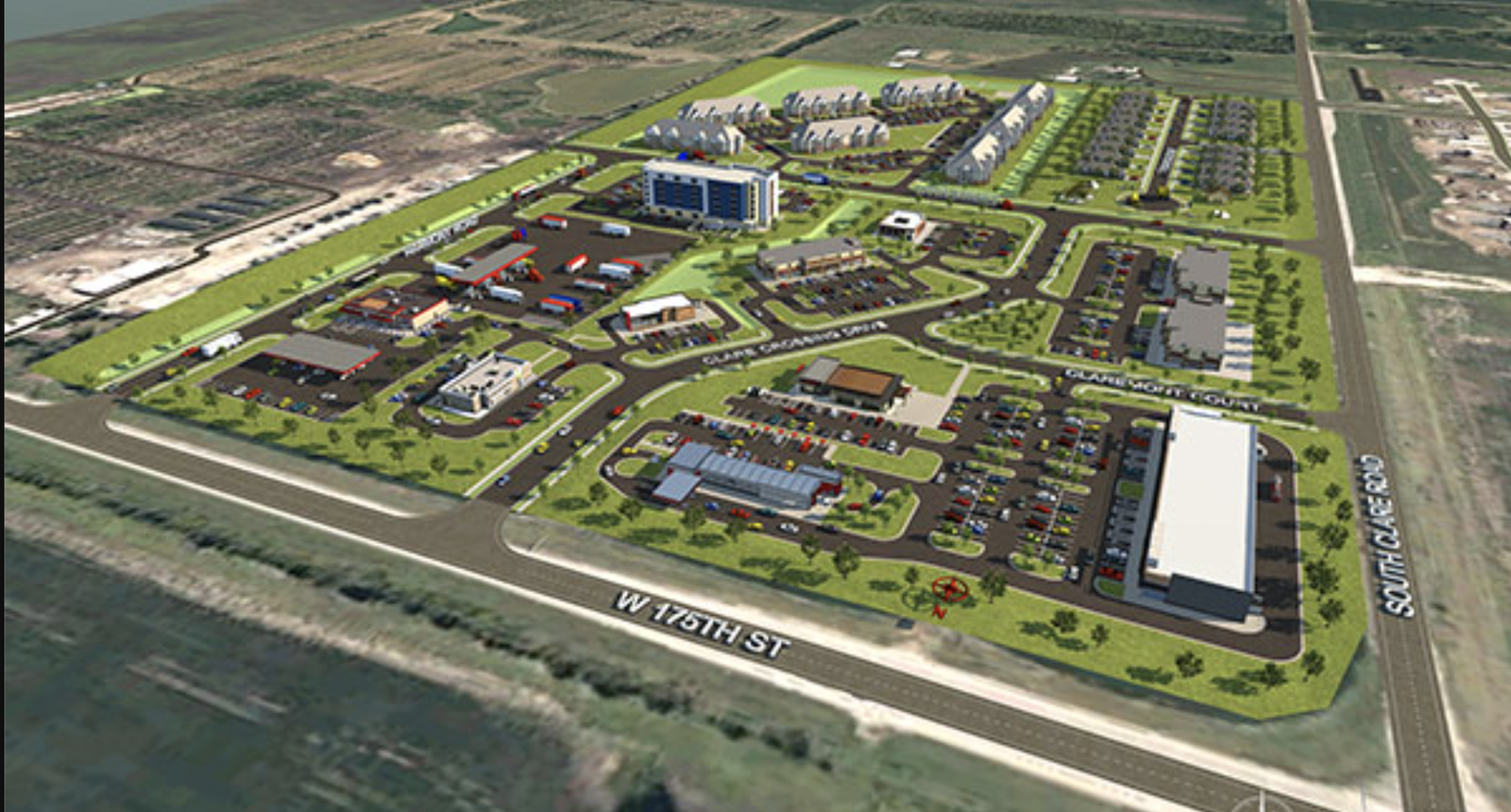
The redevelopment of the former Indian Springs Mall site in Kansas City, Kansas, led by Eastside Innovation Kansas LLC in partnership with Arnold Development Group, has entered a new phase of expansion and escalation in cost. The site, a 90-acre parcel near the intersection of Interstate 635 and Interstate 70, will be renamed Midtown Station and is envisioned as a vibrant, mixed-use destination encompassing residential, retail, sustainable infrastructure and transit-oriented amenities. 

Under the initial plan, the development was expected to include approximately 1,475 apartment units, 63 single-family homes and 150 townhomes, around 280,000 square feet of retail space, a 168-room hotel with conference facilities, a grocery store and a 30-acre solar microgrid powering the site. The projected cost at that time was up to $700 million. 

Recent reports, however, indicate the plan has grown in both scale and cost. As of November 2025, the estimated investment has increased to approximately $951 million. 

This reflects the added complexity and ambition of the project, including deeper commitments to sustainability, transit connections and inclusive housing. According to local coverage, the full build-out may extend over six to twelve years, depending on market conditions and partner negotiations. 

The redevelopment will remain oriented around transit, walkability and sustainability. The design leverages the site’s proximity to major highways and public transit hubs, while the inclusion of the solar microgrid and green building practices underscores its emphasis on future-proof infrastructure. Community stakeholders view Midtown Station as a long-awaited catalyst for renewal in eastern Wyandotte County, replacing the decades-old mall footprint that had become a symbol of decline. 

Approval of a formal development agreement with the Unified Government of Wyandotte County and Kansas City, Kansas is expected in early 2025, with construction slated to begin by mid-2025. 

As details continue to evolve, the expanded budget and enriched program signal a strong commitment by Eastside Innovation and its partners to deliver a transformative project that redefines the site’s future and its place in the region’s growth.


Header image: An aerial rendering of the Indian Springs Mall redevelopment, Midtown Station, in Kansas City, Kan. Image | Arnold Development Group

Revitalized Rock Island Railroad Bridge reimagines riverfront entertainment

 Revitalized Rock Island Railroad Bridge reimagines riverfront entertainment

FEATURED RENDERING CREDIT: MULTISTUDIO/GOULD EVANS

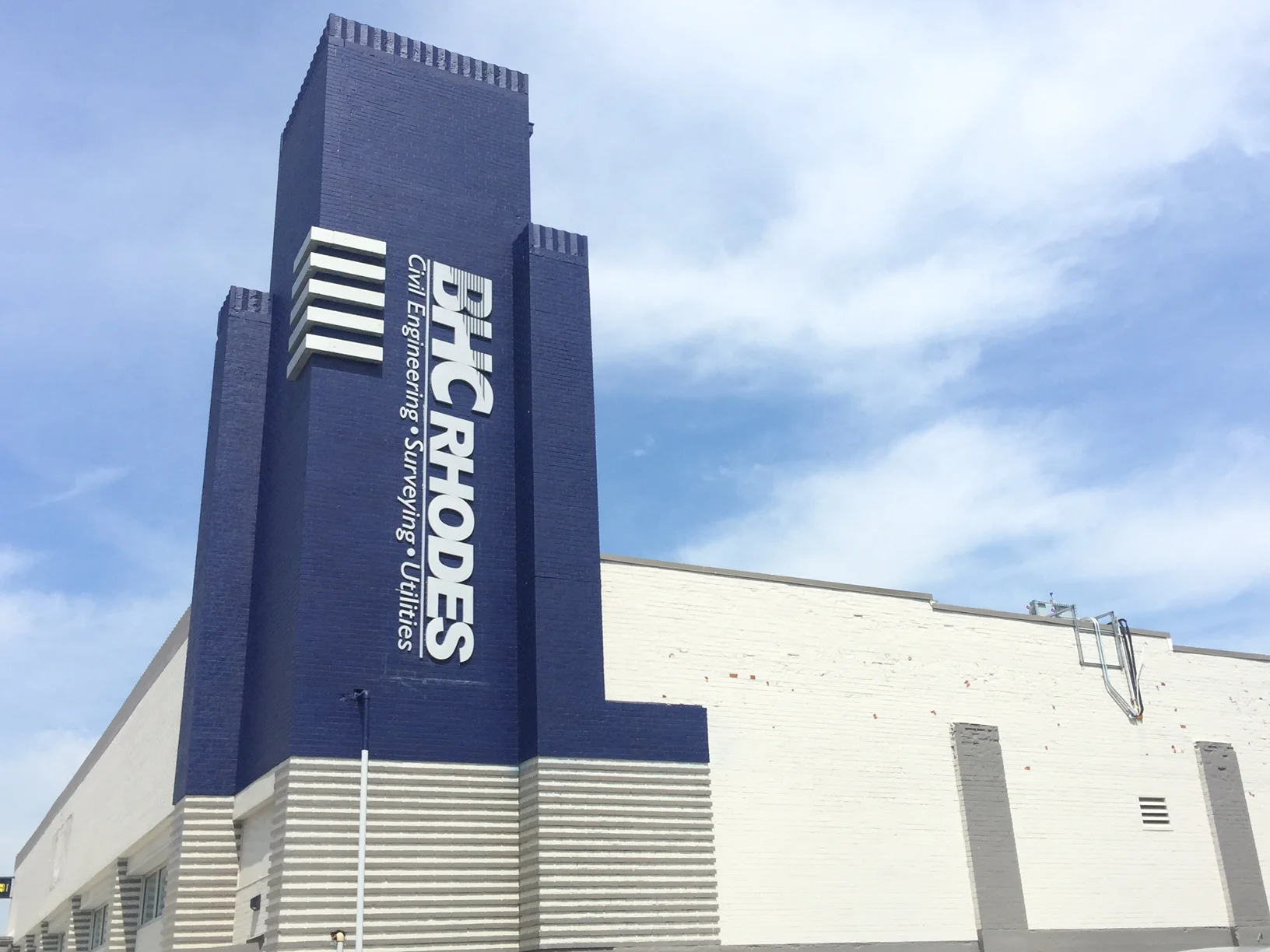
With 25 years under its belt, BHC RHODES looks to the future

With 25 years under its belt, BHC RHODES looks to the future

Over the past 25 years, BHC RHODES has built a reputation in Kansas City for its civil engineering, surveying, utilities and telecommunications work. But what most don’t realize is that its portfolio of services also represent the firm’s evolution through years as it weathered the ups and downs of the economy.