Todd LaSala

Wyandotte County faces a crowded incentive landscape as Chiefs stadium talks intensify

Kansas politics and local development buzz have converged in an unprecedented way: the Kansas City Chiefs’ potential move across state lines has turned Wyandotte County and neighboring cities like Olathe into arenas for competing economic incentives. What began as a singular bid for an NFL stadium has mushroomed into a complex web of STAR bond districts, municipal tax pledges, and fierce negotiations involving key decision-makers and business partners statewide.

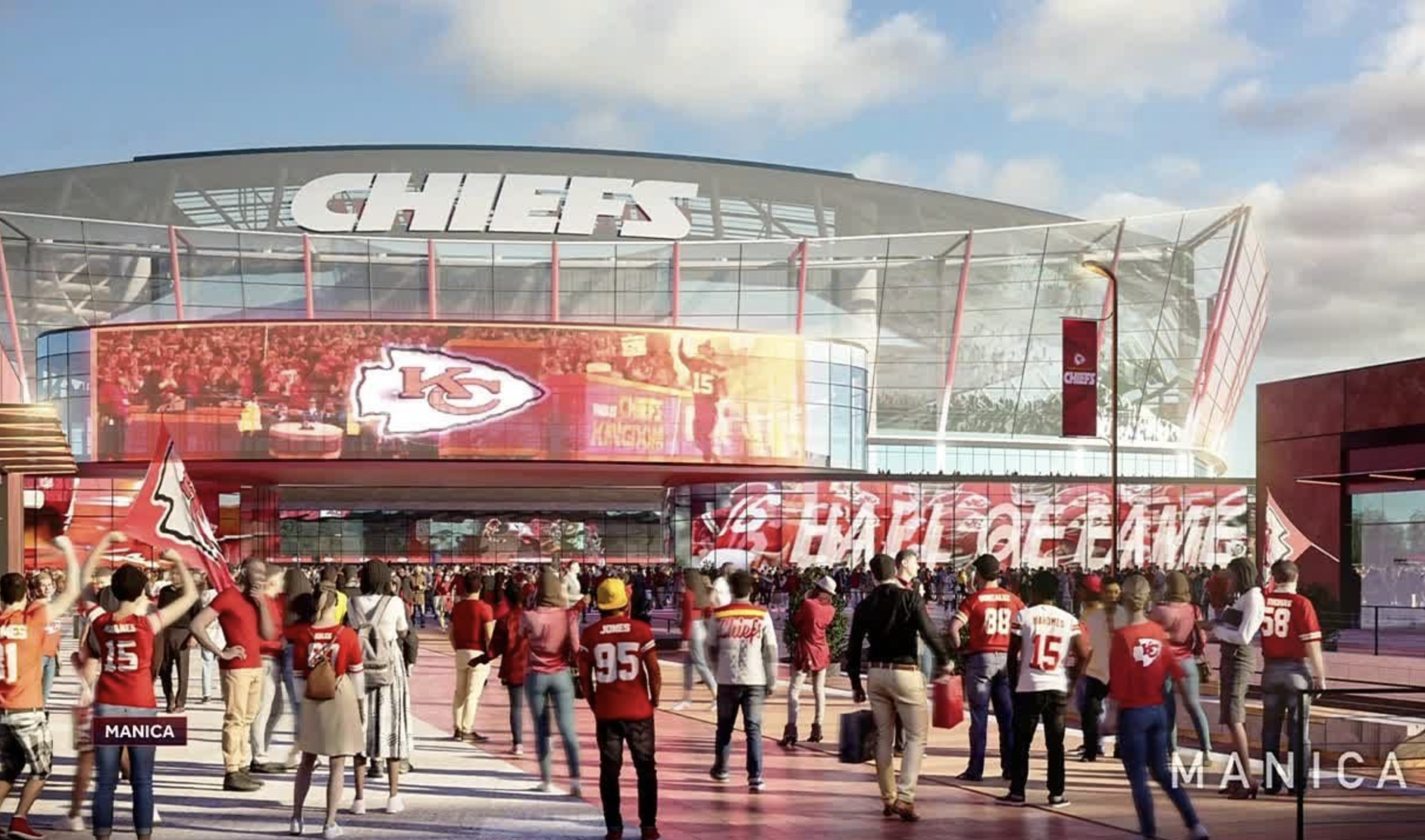
At the heart of the effort is a massive plan to build a $3 billion domed stadium in Wyandotte County, paired with a new Chiefs headquarters and training facility in Olathe, Johnson County — a project with total development costs approaching $4 billion. The state of Kansas and the Chiefs organization negotiated a public-private partnership that uses STAR (Sales Tax and Revenue) bonds to finance up to 60 percent of the public portion of the work, with the team covering the remaining share. STAR bonds allow public sales tax generated within a designated district to be used to repay bondholders without creating new tax levies on residents.

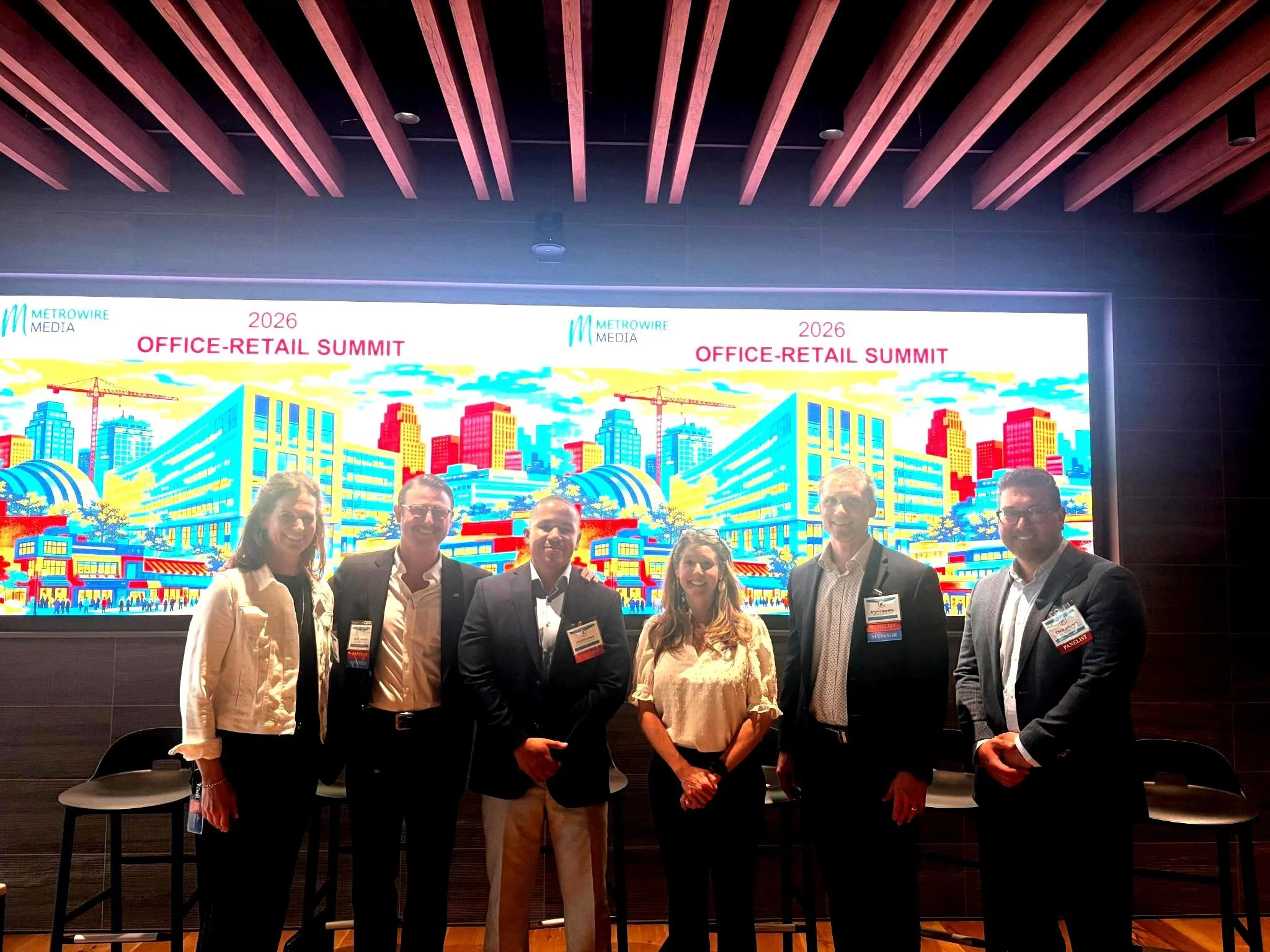
In Wyandotte County, the Unified Government (UG) of Wyandotte County and Kansas City, Kansas, has held spirited hearings on an ordinance that would establish a STAR bond district stretching more than 200 acres between 118th and 126th streets. Under the proposal, Wyandotte County would pledge future local sales tax, part of county sales tax, and up to 8 percent of transient guest taxes collected in the district toward bond repayment for up to 30 years. A key figure at recent hearings was Todd LaSala, outside development counsel for the UG, who outlined the financial mechanics and conditions for local participation.

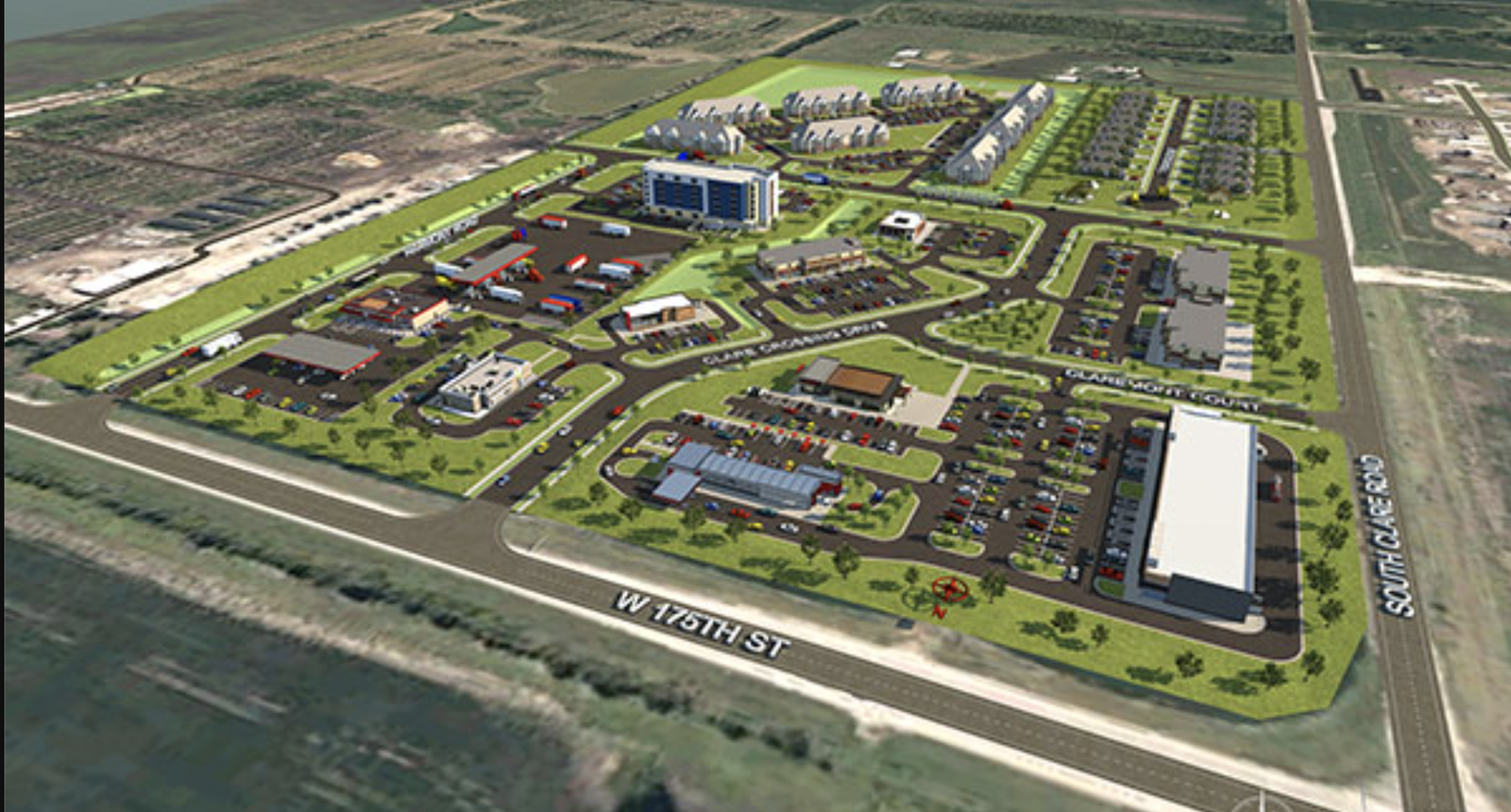
Meanwhile, in Olathe, city leaders have moved aggressively on their piece of the Chiefs puzzle. The Olathe City Council voted unanimously to pledge local sales and hotel tax revenue from a 165-acre development site at College Blvd. and Ridgeview Rd. to support STAR bonds for the Chiefs’ headquarters and practice facility. As part of that plan, Olathe would redirect 1 percent of city sales tax and portions of county and hotel taxes generated in the “base revenue area” toward bond repayment. This commitment stretches up to three decades but avoids raising existing tax rates. Mayor John Bacon and council members championed the measure as a catalyst for jobs and long-term economic growth, even amid vocal public debate.

The Chiefs organization, led by Chairman and CEO Clark Hunt, has signaled strong support for both STAR bond districts, making clear that local incentives were a crucial part of the overall agreement with the state. Gov. Laura Kelly and state legislative leaders also played central roles in crafting the incentive framework, including the use of Kansas’s Attracting Professional Sports to Kansas Fund alongside STAR bonds to sweeten the deal without imposing new statewide taxes.

For Wyandotte County and its neighbors, this isn’t just a stadium bid — it’s a test of economic strategy under pressure. With multiple communities pledging future tax revenues and public hearings drawing packed rooms, the Chiefs project has become a catalyst for reconsidering how incentives are used, who pays the price, and how long the benefits must be weighed against competing development needs. 


Header image A rendering of a domed Kansas City Chiefs stadium in Wyandotte Co., Kansas. Image | Manica Architecture

MWM's 2020 Forecast Panel consensus: KC market is booming

MWM panelists Tim Cowden, president and CEO of KCADC; Nick Suarez, SIOR, CCIM, senior managing director and principal at Newmark Grubb Zimmer; Tim Homburg, co-president of NSPJ Architects; David Caffrey, chief lending officer at Country Club Bank; Todd LaSala, partner at Stinson, LLP; and moderator, Chris Vaeth, vice president, business unit leader at McCownGordon all agree — the Kansas City commercial real estate market is booming.

A summary of the panelists’ remarks from last week’s MWM 2020 Market Forecast event follows:

ON BOOMING KANSAS CITY MARKET:

Tim Cowden, KCADC: “I’m really excited about 2020 because we are coming off a really great 2019. There is a lot of momentum in the market. Our pipeline is full. Kansas City is ascending.”

Tim Homburg, NSPJ: “We see Kansas City maturing into a nice, large-sized metro area. We don’t need to rely on any single one thing to keep the wheels churning for Kansas City because there are multiple different locations around the whole metro area that make it exciting.”

Chris Vaeth, McCownGordon: “The reality is that it’s great right now. The market is doing well; the economy is doing well; and Kansas City has been a robust place to work and live the last several years. There’s a lot of growth, a lot of opportunity. However, 2020 can be a pivotal year. You can’t help but follow the news to see what’s going on. You’ve got to ride it while you have it.”

ON MULTIFAMILY MARKET:

Tim Homburg, NSPJ: “People are coming into the metro area so there is going to be a housing need. Housing will drive a lot of the growth in Kansas City, and we’re seeing very positive signs on the multi-family side coming into this next year. A single family home 15 years ago that was $175,000 is now $350,000 and so people are staying in multifamily “for rent” product longer until they build up the wealth to get to that breaking moment in their life when they can afford the down payment on that $350,000 starter home.

We’ve never seen an oversupply [of multifamily product in Kansas City]. We’re pacing with what the demand is.”

ON OFFICE MARKET:

Nick Suarez, Newmark Grubb Zimmer: “Right now the office market is strong. The vacancy rate is right around eight and one-half percent. We do see rental rates increase slightly across the market. The big issue we have is just the lack of big blocks of quality space, but that’s all going to change [with projects like Strata and the Platform Ventures Building downtown].

Not only will our skyline be changing, we’re also going to have property that is going to be able to compete with all of our peer cities. But, it’s not just downtown. All over the city we’re seeing a lot of new projects [like the Edison District in downtown Overland Park and CityPlace at U.S. 69 Highway and College Boulevard]. It’s an exciting tine to be in the business.”

ON TRUCE BETWEEN KANSAS AND MISSOURI:

Todd LaSala, Stinson: “The two states have finally agreed that you will not treat jobs for border counties that are leaving one side [of the state line] and moving to the other as net new jobs. [The truce] really does level the playing field for us and it’s sort of a new day for us in this market.”

Tim Cowden, KCADC: “It’s good for the region because we can focus now on net new from outside the market here. And we need both Kansas and Missouri to be at the top of their game. That’s really important for Kansas City to reach its potential.”

ON GROWTH OPPORTUNITY MARKETS:

Nick Suarez, Newmark Grubb Zimmer: “Kansas City is a very desirable place for investors to park their money. Investors are getting pushed out from markets like Denver, Nashville and Minneapolis because they are too expensive to do business. They look at Kansas City as another alternative. I think we’re going to see that evolve in the next several years.”

Tim Cowden, KCADC: “Kansas City is so well positioned for e-commerce. We’ve been building these spec industrial buildings. Ten or 15 years ago, we didn’t see that in Kansas City.

One area that we really need more activity in is cold storage. Food is a big deal right now. We’re seeing a lot of food production operations.”

David Caffrey, COUNTRY CLUB BANK: “Network operating centers where companies store their towers or the towers are provided to them. It’s a very specialized facility that we’ve been seeing. We’re in the center of the United States, and we have every internet line coming through Kansas City.”

ON KANSAS CITY COMPETING WITH PEER CITIES:

Tim Cowden, KCADC: “I think our opportunities in Kansas City are limitless. I think we are just now getting to the point where we can compete in a legitimate way with these markets we hear all about—Nashville, Austin, Raleigh-Durham. Look at the USDA deal. That came down to Indianapolis, Raleigh-Durham and Kansas City, and they are going to be right down the street here—600 really highly paid jobs. 

There are more opportunities out there, but we have to have the product on the shelf, whether it’s Class A office, office and industrial, and then go get it.”

Tim Homburg, NSPJ: “Another thing I’d like to see for Kansas City as a whole that you see in that next tier level city is a plan on mass transportation.”

Todd LaSala, STINSON: “I think you have to be strategic and thoughtful and not panic.”