MetroWire Media KC

Independence, Mo. set to rebuild historic power plant to fuel massive AI data center

Independence, Mo., is positioning itself at the forefront of the artificial intelligence infrastructure boom with plans to reopen and drastically expand a long-dormant power facility to meet the energy needs of a new, billion-dollar AI data center campus. The project, anchored by European cloud computing firm Nebius, will transform the former Blue Valley Power Plant into a powerhouse capable of generating up to nine times more energy than it once did — enough to support cutting-edge AI workloads and bring significant economic activity to the region.

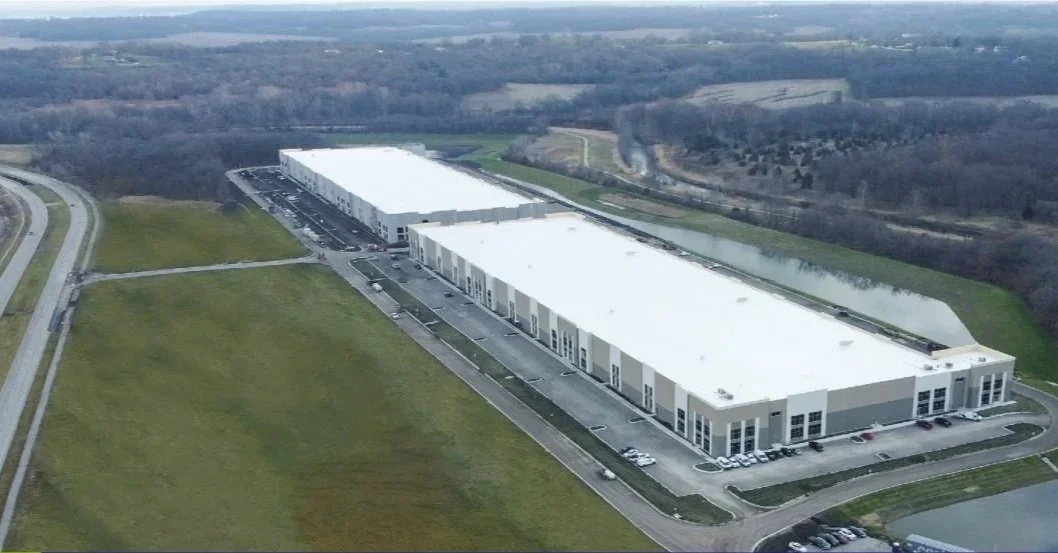
Nebius has announced plans to build its third — and largest — U.S. data center in Independence within the Eastgate Commerce Center, a 400-acre site east of Kansas City. The campus is expected to span roughly 2.5 million SF and include multiple buildings dedicated to high-density AI compute and storage. The full buildout could require at least 800 megawatts (MW) of power, roughly enough to supply hundreds of thousands of homes — a dramatic increase compared to the original plant’s roughly 90 MW capacity.

To supply electricity during the interim, the city is negotiating four separate energy contracts with third-party providers, including NextEra Energy and Evergy. These agreements allow Independence Power and Light to purchase power beginning in mid-2026 and pass costs through to Nebius, keeping local utility rates stable for residents and businesses.

The centerpiece of the energy strategy is the phased redevelopment of the Blue Valley Power Plant. Originally constructed in the late 1950s and shuttered in 2020, the facility will be rebuilt and expanded by Independence Power Partners (IPP) — a joint venture between United Energy Trading, a major North American crude oil and natural gas company, and Exigent Energy, a national energy management firm. This private financing arrangement accelerates construction, with an initial 250 MW phase targeted to come online by 2027 and expansion to over 1,100 MW by 2029.

Local officials emphasize that the project — with construction set to begin later this year — is expected to deliver substantial economic benefits, including construction jobs, longer-term operations roles, and broader investment in regional infrastructure.

As Independence rebuilds its historic power plant to meet the demands of tomorrow’s AI economy, the city is betting that power — and data — can fuel not just machines, but sustained growth for the local community.


Header image: Eastgate Commerce Center in Independence, Mo. gets a new $1billion AI data center. Photo | Cushman & Wakefield

Chiefs’ move to Kansas could transform commercial development across the metro

The Kansas City Chiefs’ planned move to the Kansas side of the Kansas City metro area is already reshaping expectations for commercial growth, real estate investment, and long-term economic development. While the relocation would mark the end of the team’s decades-long run in Missouri, it is widely viewed by Kansas officials and developers as a generational opportunity to anchor new construction and private investment around a modern NFL stadium.

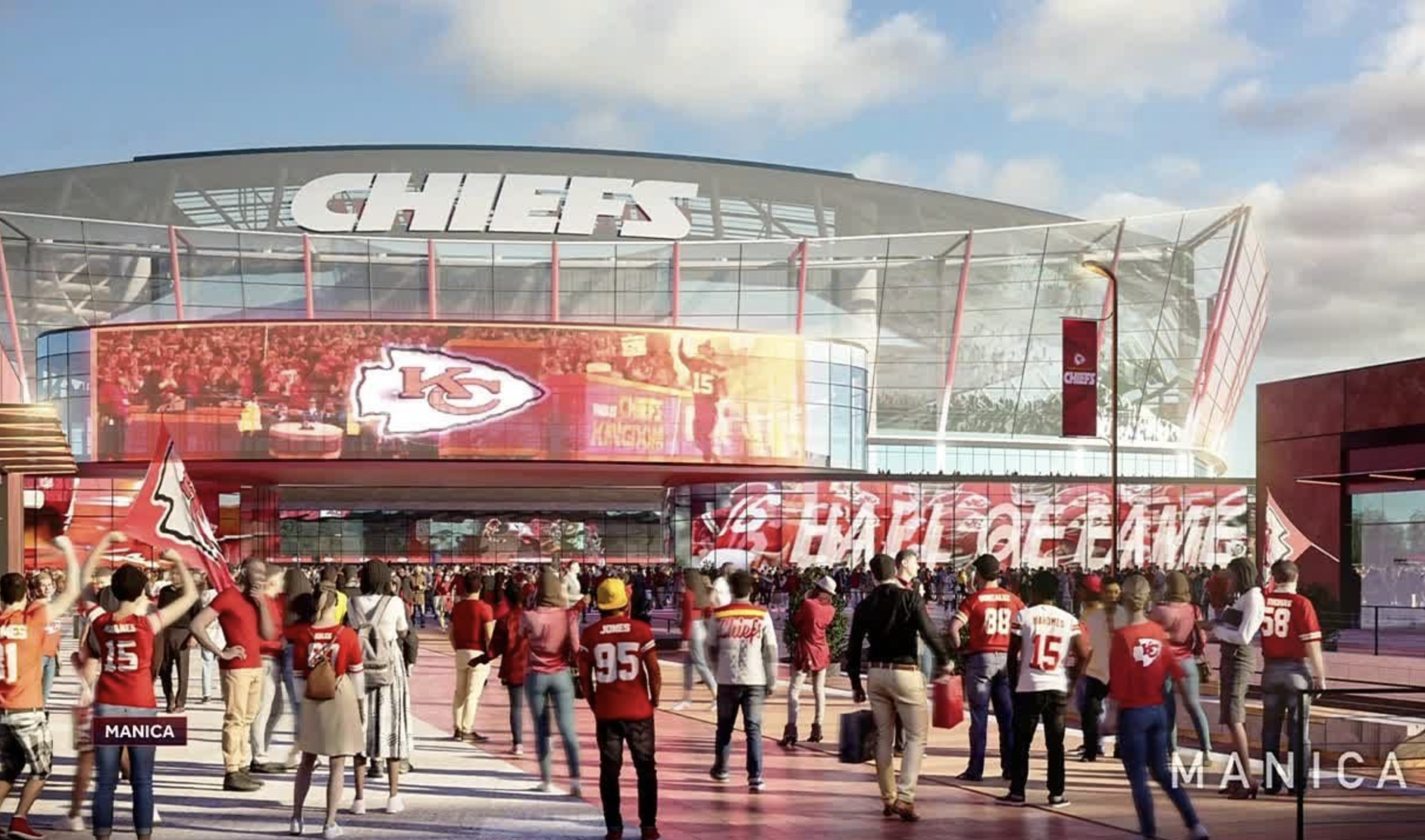
The proposed project centers on a new domed stadium in Wyandotte County, a move that would position the region to compete for major events beyond professional football, including concerts, conventions, and national sporting events. Economic development leaders say the stadium itself is only part of the story. The surrounding land is expected to attract a wave of mixed-use development designed to create year-round activity rather than a venue that sits largely idle outside of game days.

Developers are already speculating about new hotels, restaurants, and entertainment concepts aimed at capturing crowds drawn by games and special events. Retail space, office buildings, and residential projects are also likely, following a national trend in which sports venues anchor walkable districts that blend work, housing, and leisure. Similar developments around newer NFL stadiums have shown that teams increasingly serve as catalysts for broader commercial ecosystems rather than standalone attractions.

The Chiefs’ potential relocation is also expected to influence development patterns beyond the stadium site. Areas along major highway corridors in Kansas could see increased interest from employers seeking proximity to a high-profile destination and improved infrastructure. Hospitality and service industries are anticipated to benefit most immediately, while longer-term growth could include corporate offices and regional headquarters drawn by the visibility and prestige associated with the franchise.

Supporters argue the move would solidify the Kansas side of the metro as a hub for sports-driven economic development, while critics raise concerns about public financing and the loss of revenue for Missouri. Even so, real estate professionals note that large-scale stadium projects often generate momentum that extends well beyond initial projections, especially when paired with intentional planning and private-sector participation.

If the relocation proceeds, the Chiefs’ new home could reshape the commercial landscape of the metro area for decades, signaling a shift in how professional sports franchises influence urban growth, land use, and regional competition in the Kansas City area.


Header image: A rendering of a new Kansas City Chiefs stadium that may be built near the Legends in Wyandotte County, Kan. Image | Manica

Olathe Council approves incentives for Lineage cold storage facility

The Olathe City Council has granted tax incentives to Lineage Inc. for the construction of a new automated cold storage warehouse, a project projected to exceed $300 million in investment and add hundreds of jobs to the region.

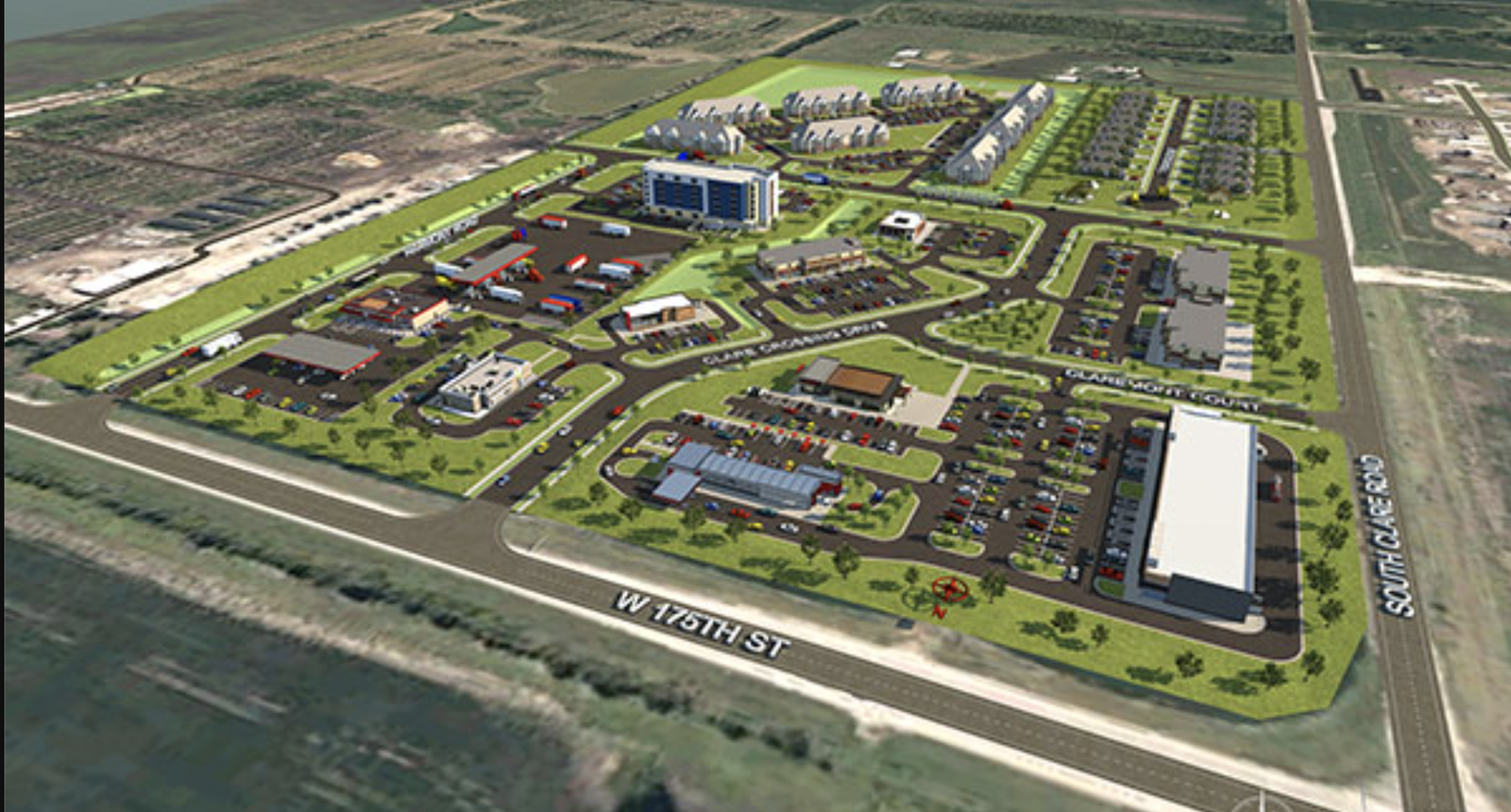
The state-of-the-art facility will rise near 175th Street and Lone Elm Road, covering roughly 219,000 SF on a 146-acre site. Once operational, the project is expected to generate around 200 long-term positions, with an average starting salary of about $60,000. The site selection aligns with Olathe’s employment corridor goals, reinforcing the city’s strategy to attract industrial and logistics-focused growth.

City officials approved a $23 million package of tax incentives for the project, which may include a combination of industrial revenue bonds and property tax abatements. The incentives are contingent upon performance benchmarks tied to job creation, investment thresholds, and operational safety standards.

The council’s approval followed months of review and a close 5-2 vote after the city’s Planning Commission initially recommended denial. Olathe staff cited the project’s alignment with future land-use plans and the city’s ability to support the infrastructure needs of a large-scale industrial operation.

The fully automated facility will serve as a regional logistics hub, supporting food producers, distributors, and retailers throughout the Midwest. Construction is expected to begin in 2026 with completion anticipated by 2027.

City leaders have positioned the Lineage development as a significant step toward expanding Olathe’s role in national supply chain operations. They emphasized that the project will contribute to long-term economic stability, create skilled employment opportunities, and enhance the city’s standing as a center for advanced logistics and cold storage innovation.


Header image: A rendering of the proposed 219,000 SF automated cold storage facility coming to Olathe, Kan. Photo | The City of Olathe

$20 million parking project aims to improve accessibility and infrastructure in 18th & Vine

Kansas City, Missouri, has partnered with Grayson Capital to develop a new 470-space parking facility in the 18th & Vine District, a historic and culturally significant area. The project will not only increase parking capacity but also improve infrastructure and connectivity, supporting the District’s growth as a hub for entertainment, culture, and history.

The parking garage at 1819 Lydia Ave. will serve as a key transit hub, providing much-needed space for the District’s visitors and residents. Funded by a $20 million allocation from the City Council, the project will enhance accessibility for the area’s ongoing revitalization efforts.

Mayor Quinton Lucas emphasized the development's importance in fostering the long-term growth of the Jazz District, noting that this project will support future developments while preserving the District’s cultural heritage. City Manager Brian Platt highlighted the project's broader impact, which is one of many revitalization efforts underway in the 18th & Vine area, bringing investment and job opportunities to Kansas City’s East Side.

Councilwoman Melissa Patterson-Hazley pointed out the significance of the public-private partnership, calling it a milestone for community development and economic growth. Councilwoman Melissa Robinson also expressed her enthusiasm, noting the improvements in walkability, safety, and access that the new facility will bring to the area.

The facility, currently in the design phase, is slated for completion ahead of the 2026 FIFA World Cup. Once finished, the City of Kansas City will own and operate the garage, ensuring its role in supporting local businesses and attractions for years to come. JE Dunn Construction will collaborate with Grayson Capital to bring the project to fruition.


Header image: A conceptual rendering of the 470-space parking garage at the18th and Vine District. Image courtesy of Grayson Capital

Hausmann builds momentum in KC housing market

Hausmann Construction, recognized for its innovative and relationship-driven approach, continues to shape Kansas City’s thriving housing and development landscape. With a portfolio exceeding $1 billion across eight states and six corporate offices, the firm has built a reputation for delivering high-quality projects that meet the demands of a competitive real estate market.

Kansas City’s real estate market has garnered national attention, recently earning the title of the No. 1 housing market in the United States, according to a 2024 US News and World Report. Contributing to this momentum, Hausmann is behind two major developments: The Helm and Meadow Lake Apartments.

The Helm, located near downtown Kansas City, is a 224-unit luxury apartment and mixed-use project encompassing 220,000 SF. The project is set to reach full completion later this year and will feature four-story buildings, a clubhouse with a FEMA shelter, a fitness studio, a yoga room, office spaces, and a pool. With phased turnovers already underway, leasing activity has underscored strong demand.

Further south of downtown Meadow Lake Apartments is a 213-unit residential community scheduled for completion in 2026. Spanning 308,000 SF, the development includes an above-podium parking garage with 237 stalls and 4,900 SF of commercial space. Amenities such as a fitness center, pool courtyard, and outdoor living areas aim to blend luxury with functionality, further enhancing the appeal of Kansas City’s growing housing market.

Hausmann’s expertise extends beyond multi-family residential developments to senior living communities, showcasing its versatility in meeting diverse housing needs. Recent large-scale projects include The Lofts at Fox Ridge and Meadowbrook. The Lofts at Fox Ridge, a 396-unit apartment complex situated on a 30-acre site, includes 12 buildings, nine garages, and a clubhouse. High-end features like spacious balconies, a fitness center, and a resort-style pool cater to modern living preferences.

Above: One of several lounge areas at the 396-unit multi-family Lofts at Fox Ridge luxury residential complex. Photo courtesy of Hausmann Construction | photo credit: Michael Robinson Photography

On a different scale, Meadowbrook, a 385,000 SF senior living campus, includes 222 units spread across seven interconnected buildings, offering memory care, assisted living, and independent living accommodations. Shared spaces, such as dining areas, a library, and a salon, enhance the sense of community for residents. Despite the challenges of building on a tight site, the project was completed on schedule, earning praise for its resident-centered execution and seamless move-in coordination.

Hausmann stands out for its ability to navigate complex regulatory frameworks, particularly in HUD-financed projects. With expertise in zoning, permitting, and federal compliance, including Davis-Bacon wage standards and Section 3 hiring policies, the firm ensures developers meet local and federal requirements efficiently.

Hausmann’s developer-focused approach begins early in preconstruction, offering insights that balance initial costs with long-term savings. This proactive strategy delivers projects on time, within budget, and to the highest quality standards. Its multi-sector expertise also enables competitive pricing and market-driven solutions, solidifying its role as a trusted partner in Kansas City development.

Commitment to quality and innovation is central to Hausmann’s success. The firm consistently delivers projects with minimal punch list items, as seen in The Helm’s early phases, and provides reliable preconstruction budgets backed by market analysis. Close collaboration with developers and design teams minimizes delays and aligns projects with client expectations.

As Kansas City’s housing market continues its upward trajectory, Hausmann is poised to remain a key player in the region’s development. Its growing portfolio reflects a deep understanding of market demands and a dedication to delivering high-quality, innovative projects. With a focus on excellence and strong developer relationships, Hausmann is well-positioned to meet the challenges and opportunities of an evolving real estate landscape.


Header Image: An aerial photo of the Meadowbrook Senior Living facility located in Prairie Village, Kan. Photo courtesy of Hausmann Construction | photo credit: Michael Robinson Photography