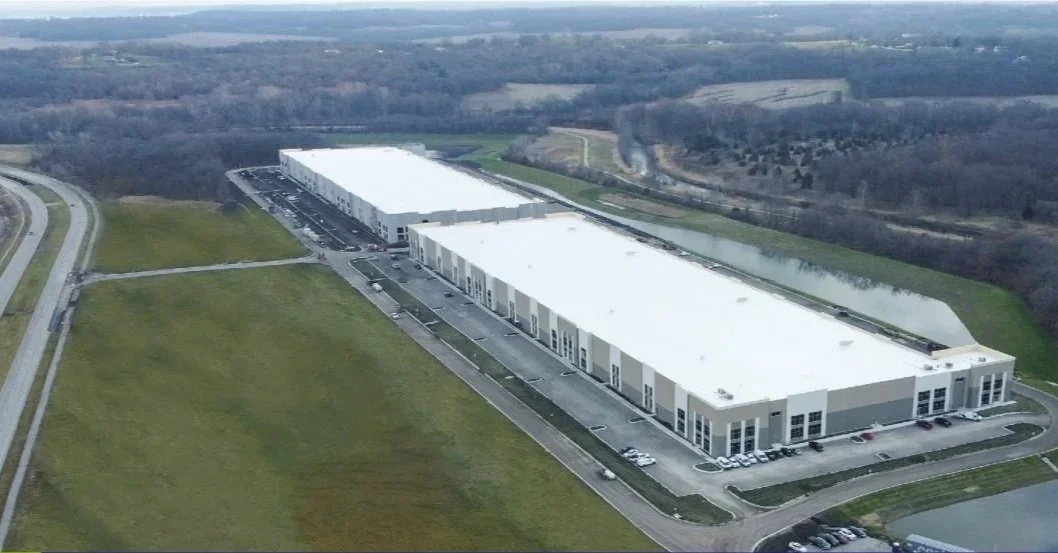
Kansas Governor Laura Kelly

Wyandotte County faces a crowded incentive landscape as Chiefs stadium talks intensify

Kansas politics and local development buzz have converged in an unprecedented way: the Kansas City Chiefs’ potential move across state lines has turned Wyandotte County and neighboring cities like Olathe into arenas for competing economic incentives. What began as a singular bid for an NFL stadium has mushroomed into a complex web of STAR bond districts, municipal tax pledges, and fierce negotiations involving key decision-makers and business partners statewide.

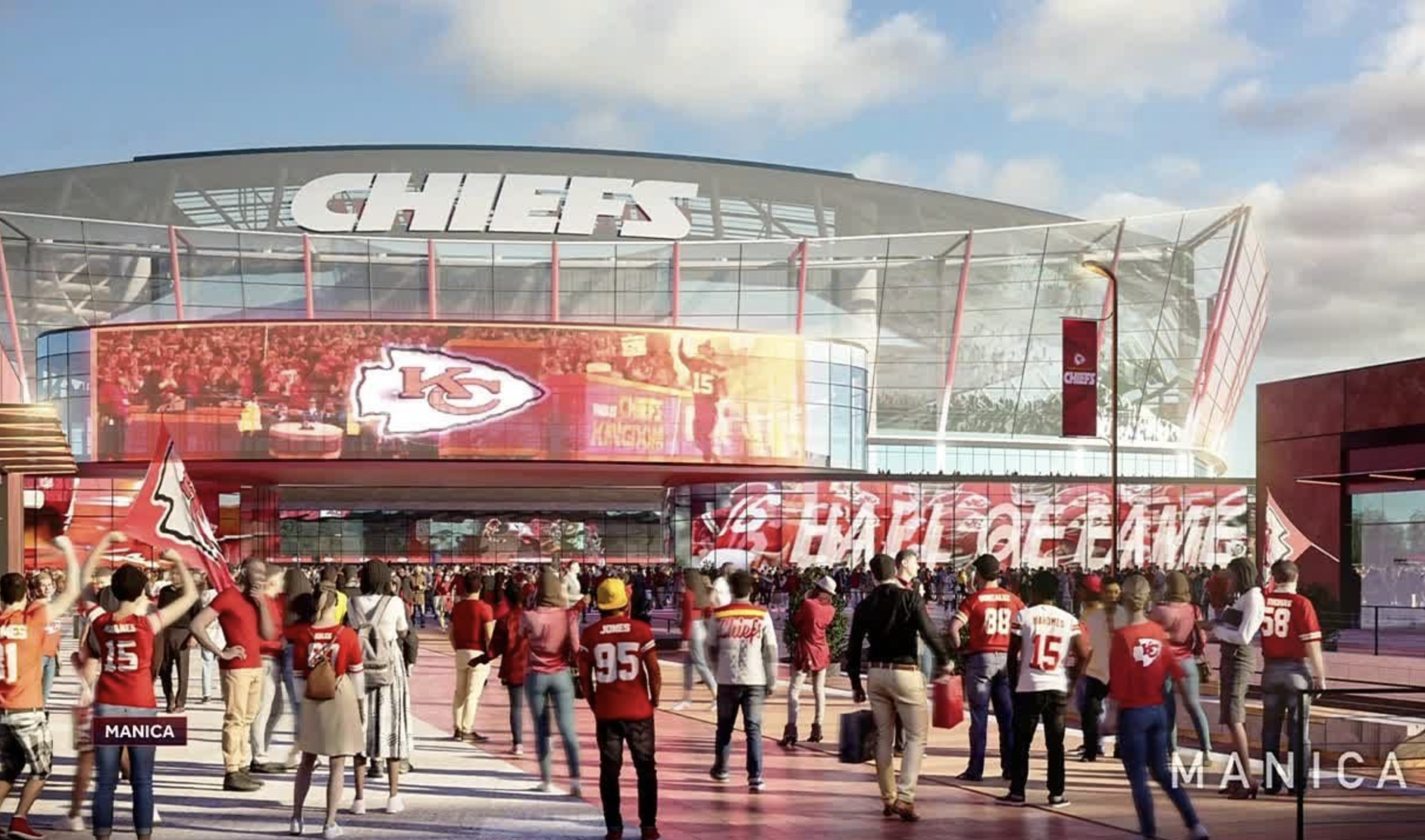
At the heart of the effort is a massive plan to build a $3 billion domed stadium in Wyandotte County, paired with a new Chiefs headquarters and training facility in Olathe, Johnson County — a project with total development costs approaching $4 billion. The state of Kansas and the Chiefs organization negotiated a public-private partnership that uses STAR (Sales Tax and Revenue) bonds to finance up to 60 percent of the public portion of the work, with the team covering the remaining share. STAR bonds allow public sales tax generated within a designated district to be used to repay bondholders without creating new tax levies on residents.

In Wyandotte County, the Unified Government (UG) of Wyandotte County and Kansas City, Kansas, has held spirited hearings on an ordinance that would establish a STAR bond district stretching more than 200 acres between 118th and 126th streets. Under the proposal, Wyandotte County would pledge future local sales tax, part of county sales tax, and up to 8 percent of transient guest taxes collected in the district toward bond repayment for up to 30 years. A key figure at recent hearings was Todd LaSala, outside development counsel for the UG, who outlined the financial mechanics and conditions for local participation.

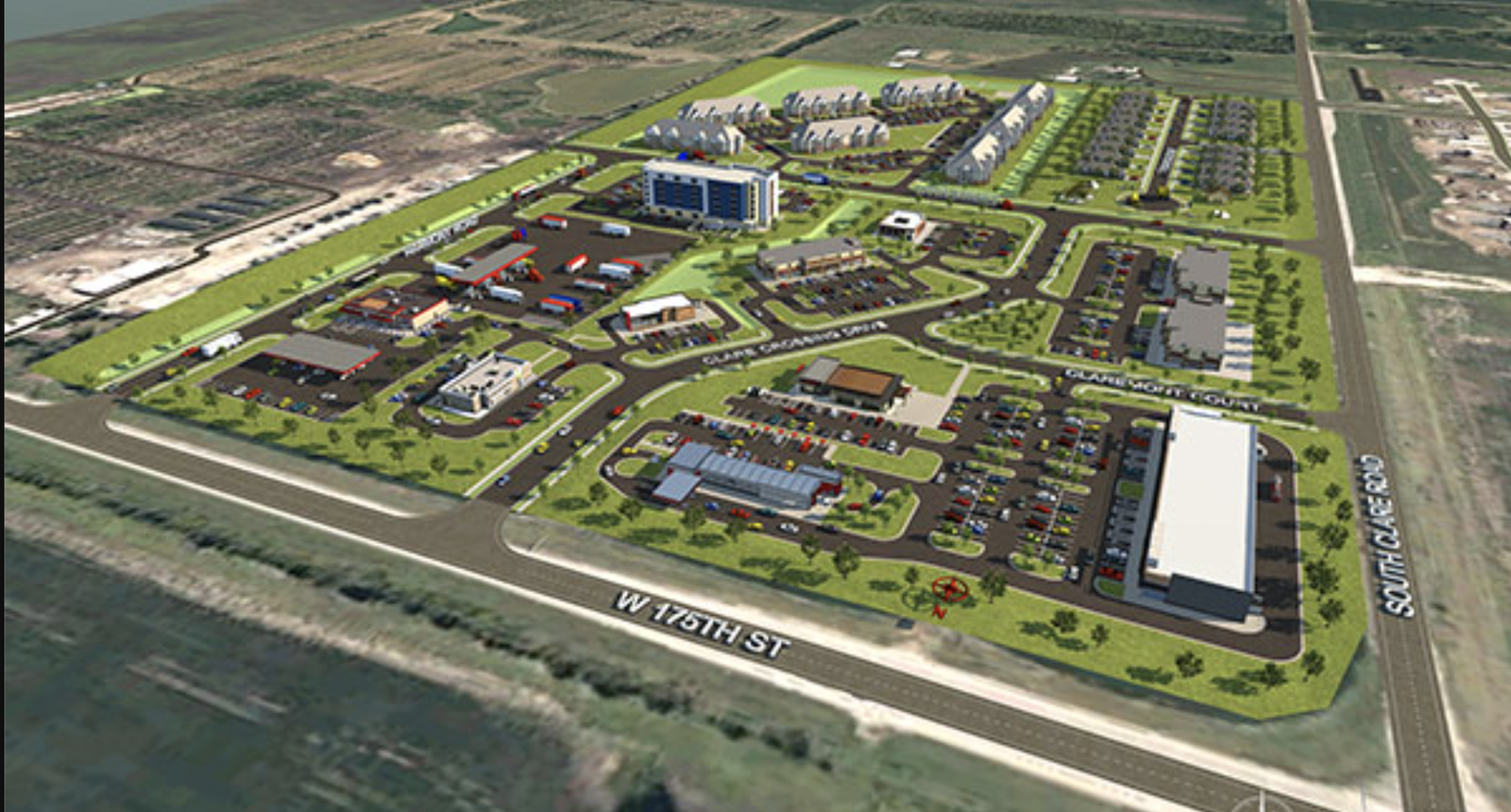
Meanwhile, in Olathe, city leaders have moved aggressively on their piece of the Chiefs puzzle. The Olathe City Council voted unanimously to pledge local sales and hotel tax revenue from a 165-acre development site at College Blvd. and Ridgeview Rd. to support STAR bonds for the Chiefs’ headquarters and practice facility. As part of that plan, Olathe would redirect 1 percent of city sales tax and portions of county and hotel taxes generated in the “base revenue area” toward bond repayment. This commitment stretches up to three decades but avoids raising existing tax rates. Mayor John Bacon and council members championed the measure as a catalyst for jobs and long-term economic growth, even amid vocal public debate.

The Chiefs organization, led by Chairman and CEO Clark Hunt, has signaled strong support for both STAR bond districts, making clear that local incentives were a crucial part of the overall agreement with the state. Gov. Laura Kelly and state legislative leaders also played central roles in crafting the incentive framework, including the use of Kansas’s Attracting Professional Sports to Kansas Fund alongside STAR bonds to sweeten the deal without imposing new statewide taxes.

For Wyandotte County and its neighbors, this isn’t just a stadium bid — it’s a test of economic strategy under pressure. With multiple communities pledging future tax revenues and public hearings drawing packed rooms, the Chiefs project has become a catalyst for reconsidering how incentives are used, who pays the price, and how long the benefits must be weighed against competing development needs. 


Header image A rendering of a domed Kansas City Chiefs stadium in Wyandotte Co., Kansas. Image | Manica Architecture
KC wins again, brings home Panasonic Energy EV plant

KC wins again, brings home Panasonic Energy EV plant

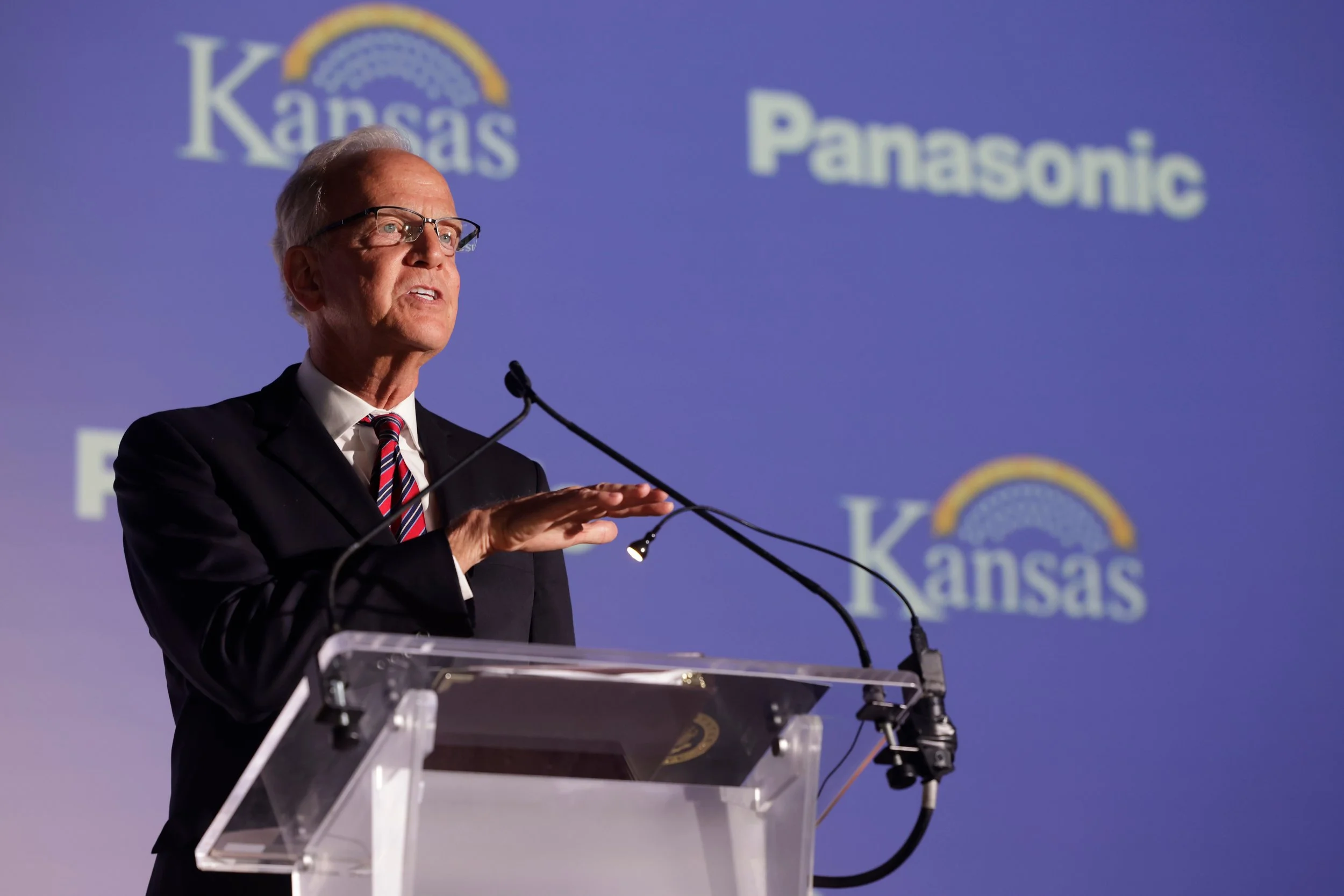
Feature photo: U.S. Senator Jerry Moran emphasizes how Panasonic Energy’s selection of Kansas showcases the state and region on a world stage. Photo credit: Jason Tracy Photography.

Kansas City's strengths prime continued success

Jill McCarthy, senior vice president, corporate attraction, for the Kansas City Area Development Council (KCADC), discussed the Kansas City region’s economy and its strengths at the virtual annual commercial real estate forecast hosted by KCRAR Commercial on Thursday, October 22.

KCADC focuses on new business and talent attraction to the region, representing both sides of the state line and covering 18 counties and more than 50 cities.

“We market out the metro’s assets, whether that is a lifestyle, whether it is industry sectors, whether it is on the available property,” said McCarthy.

According to the most recent reported figures, McCarthy said the Kansas City metropolitan area stacks up favorably to the national numbers.

The national unemployment average stands at 6.7 percent, but in the Kansas City metropolitan area, that figure is 4.4 percent.

Leisure and hospitality this year locally saw gains of 21 to 22 percent, while nationally that gain was approximately 17 percent. Local gains in professional and business services outpaced national gains (6.4% to 5.6%), McCarthy said. 

McCarthy said Kansas City added nearly 6,000 manufacturing jobs, a gain of 7.4 percent, compared to a national gain of 3.3 percent. 

“And that really goes in line with some of the projects we saw last year that came into Kansas City—Melaleuca, Boxycharm, Dot’s Pretzels and Pretzels, Inc.  So we saw a lot in the manufacturing sector looking at Kansas City,” she said.

McCarthy said the region saw a few office successes, including one in cybersecurity and one in customer service.  

She said clients are trying to determine what size office they want or need.

“Even though most of our office projects are talking about a hybrid workforce, there are very few that are looking to set up new operations that will have everybody, all hands on deck, in the office.  But, they’re very concerned about space and about the quality of workflow for the employee,” said McCarthy.

Although the region gained $123 million in new payroll and added almost 3300 new jobs and nearly $900 million in capital investments last year, McCarthy said those numbers have not been reached this year yet.   Currently, the region stands at $73 million in new payroll and $237 million in capital investment.

McCarthy said that there are a couple of large data centers in the works, and each of these projects has the opportunity to be upwards of $200 million to $2 billion for each campus.  

“So that’s an extraordinary impact that I see on the horizon for 2022 in Kansas City,” she said.

KCADC projects that approximately 15 million SF of industrial space will come online in 2021, McCarthy said.

“One of the things that we pitch often to our clients is that Kansas City has this amazing entrepreneurial spirit It's kind of embedded in the way we work and the way we operate . . . And I think we’re really doers and innovators, and that bodes well for a lot of our core industries,” said McCarthy.  

McCarthy cited some of the many strengths of Kansas City.  Kansas City has the largest rail center by tonnage.  It has more foreign trade zone space than anywhere else in the United States.  It has great connectivity via its interstate highways and has five class one rail lines.  

Kansas City also has more than 660 food and beverage companies, ranking it number eight in the United States for food and beverage market growth over the past three years.  And, 56 percent of global animal health companies have a presence in the Kansas City region, McCarthy said.

In late September, Missouri Governor Mike Parson and Kansas Governor Laura Kelly together announced the launch of the National Security Crossroads, a KCADC initiative in the works for three years aimed at raising awareness of and growing national security missions in Kansas and Missouri.

“It's meant to really provide agility and resiliency and cross federal collaboration,” McCarthy said.

She said the automotive industry is huge in Kansas City, and the region is seeing a lot more activity on the e-vehicle side, whether it’s component battery manufacturing or semiconductor manufacturing.

The region’s future is bright, both next year and in the future, especially with a  new airport terminal on the way.

“We’re primed for success. I think our 2022 pipeline is just fantastic,” McCarthy said.

______________________________________________
A MWM CRE event Recap: (Note this article represents one of two articles from this event. Stay tuned next week to read the recap from Dr. Ted C. Jones on his perspective of national developments in commercial real estate during the pandemic and his outlook for the future.)