
Draft plans for a broad revitalization of six North City neighborhoods surrounding the National Geospatial-Intelligence Agency’s (NGA) new campus were released to the public this week, laying out a multi-phased effort that city leaders say will tie large federal investment to long-sought local renewal.
The Project Connect drafts, produced by the St. Louis Development Corporation with input from community stakeholders, cover Carr Square, Columbus Square, Hyde Park, Jeff-Vander-Lou, Old North St. Louis, and St. Louis Place. The hundreds of pages outline priorities including housing reuse, infrastructure upgrades, transportation improvements, workforce development, and cultural amenities. The documents are intended to coordinate private development proposals with public investments tied to the NGA campus.
Officials emphasized that the plans are drafts and are subject to refinement following public comment. An open house and review materials were made available so residents can weigh in on specifics such as converting vacant St. Louis Public Schools buildings into housing, a proposed museum honoring the Negro Leagues in Jeff-Vander-Lou, and targeted streetscape work intended to improve sidewalks, crossings, and stormwater systems.
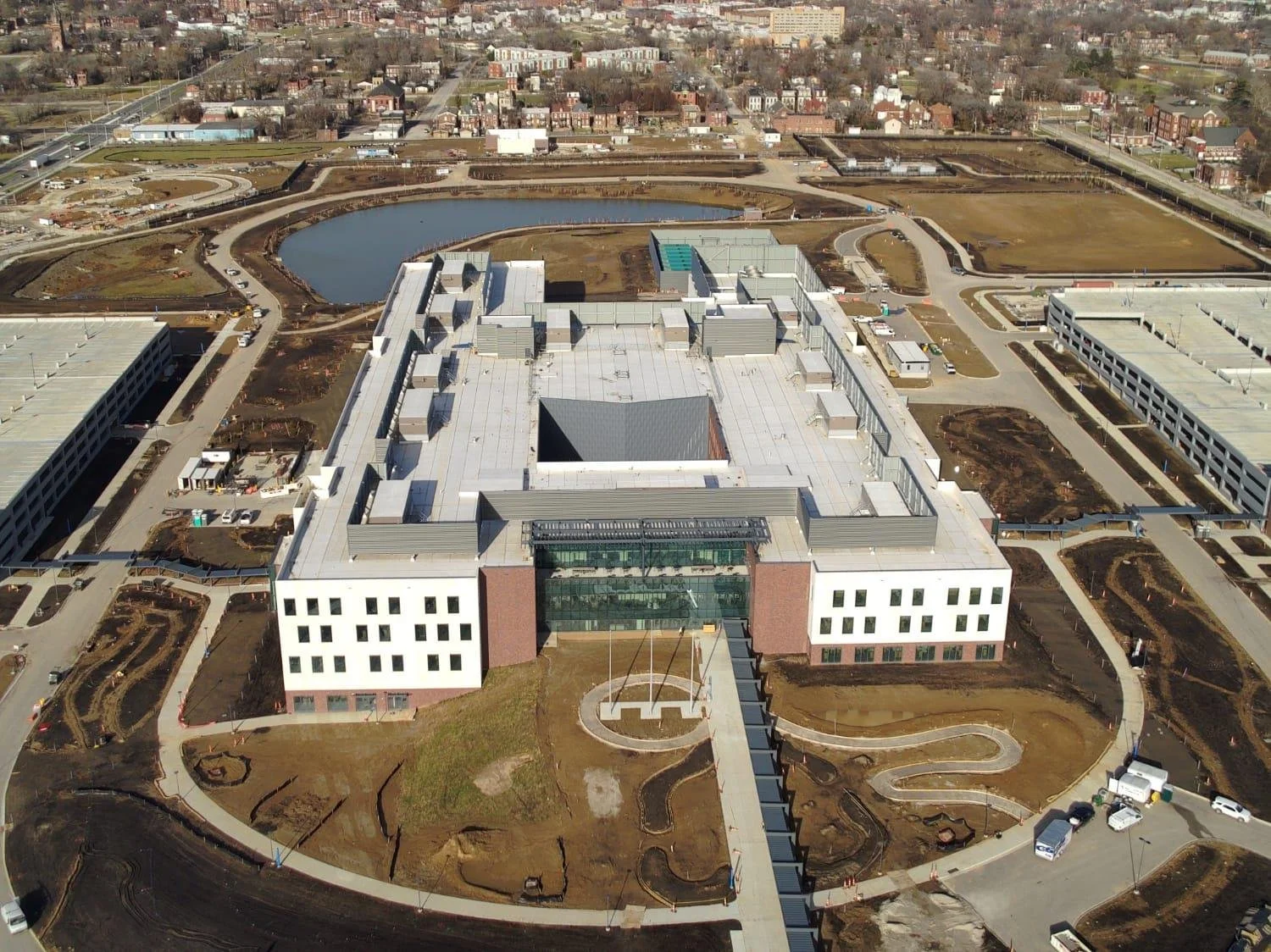
Construction and engineering work tied to the Next NGA West campus has already been a major presence in North City; the agency opened its new St. Louis facility in late September after a multiyear, roughly $1.7 billion build. The federal project was executed under U.S. Army Corps of Engineers oversight and built by a McCarthy-HITT joint venture, and city planners say that experience and contracting base will help accelerate neighborhood infrastructure contracts.
Design and planning partners on Project Connect include the city’s SLDC and outside consultants experienced in neighborhood planning; Interboro Partners is listed among firms that worked on the “Our Plan” process, which guided community engagement and mapping of implementation steps. Officials said implementation will roll out in phases tied to funding availability, public-works bidding cycles, and private development timelines — a process that could span several years.
Advocates and skeptics alike voiced cautious optimism at recent forums, with supporters pointing to job creation and improved services and critics warning about displacement and the need for enforceable community benefits. City leaders urged residents to review the drafts online and at upcoming meetings so the next round of revisions will reflect neighborhood priorities as Project Connect moves from planning to action.
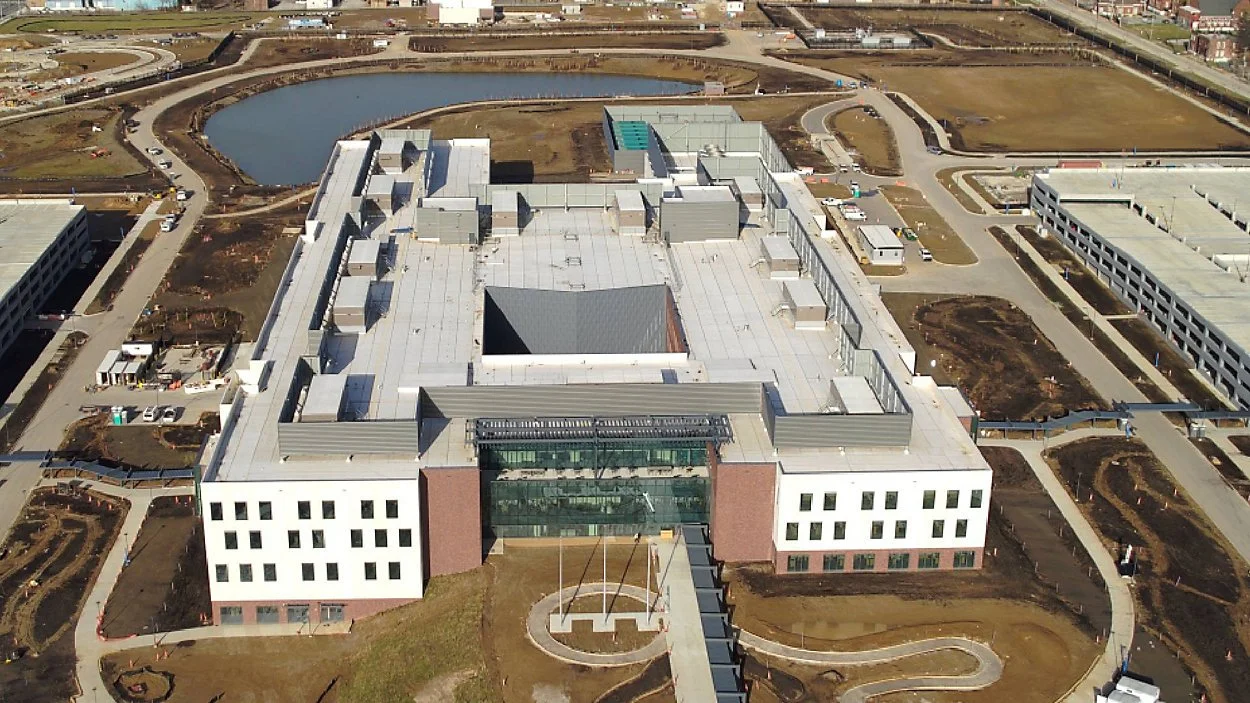
Header image: Next NGA West, a mega-project jointly managed by the National Geospatial-Intelligence Agency, U.S. Army Corps of Engineers, and U.S. Air Force, opened its new campus in north St. Louis Sept. 26, 2025. Image | NGA